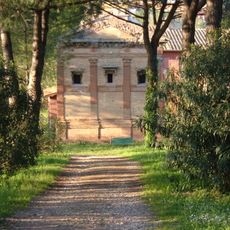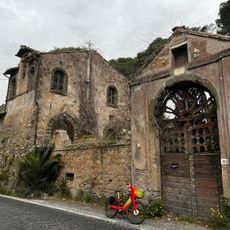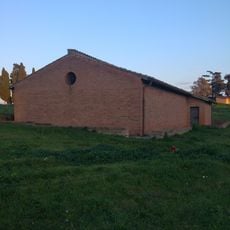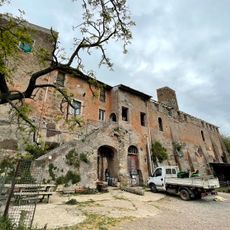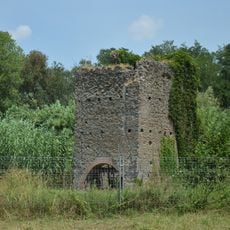
Vigna Randanini, Jewish catacombs along Via Appia Antica, Rome, Italy
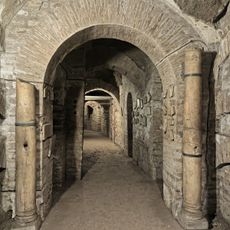
Vigna Randanini is a Jewish underground cemetery with a network of 700 meters of corridors across two levels containing burial chambers and decorated funeral spaces. The site preserves thousands of burial niches with inscriptions in Latin and Greek.
The catacombs were found by accident in 1859, though the galleries had been plundered before then and were used as a shelter during the Second World War. Radiocarbon dating places their use between the 2nd and 5th centuries CE. They began as a burial ground for a few families and grew into a cemetery for the Jewish community of ancient Rome, expanding as land was acquired.
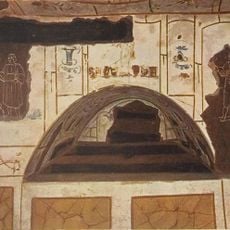
The burial chambers display Jewish symbols such as menorahs and Torah arks alongside frescoes showing animals and floral designs. These images reveal how the local Jewish community expressed their faith and daily life through art on the walls.
Visits are by appointment only, arranged in advance with the site operators; the catacombs lie partly beneath a private villa. Entry is from the Via Appia Pignatelli side, reached by a spiral staircase, and only about 400 of the roughly 700 metres of tunnels can be walked. Bring a torch, as lighting inside is limited.
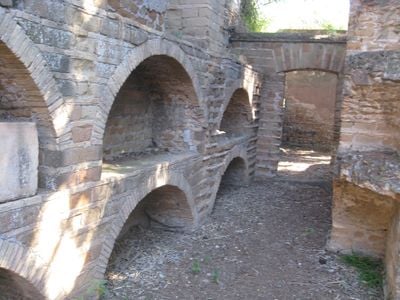
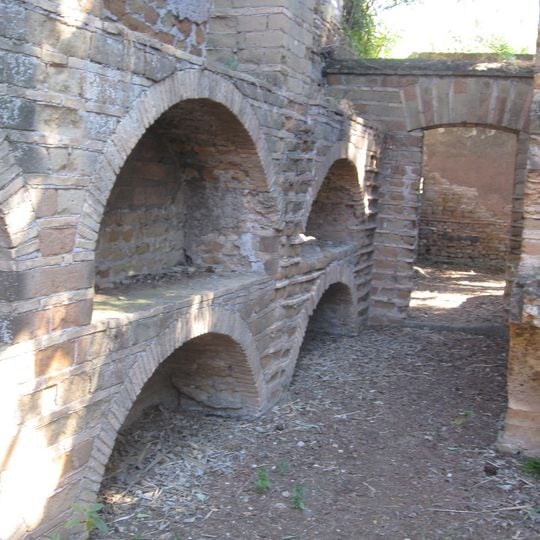
The oldest section holds kokhim, tombs cut perpendicular into the main gallery wall, a type with close parallels in Roman Palestine, especially around Jerusalem. Elsewhere the cemetery uses loculi and arcosolia. Of the surviving funerary inscriptions, 64.7% are in koine Greek, 23.5% in vulgar Latin and 11.8% bilingual, with none in Hebrew or Aramaic.
The community of curious travelers
AroundUs brings together thousands of curated places, local tips, and hidden gems, enriched daily by 94,257 contributors worldwide.