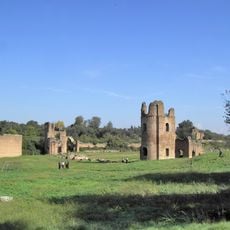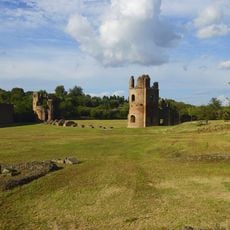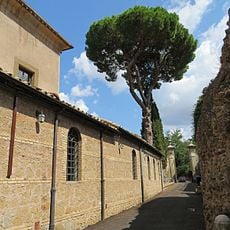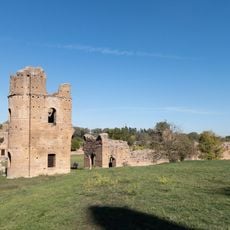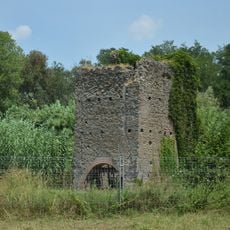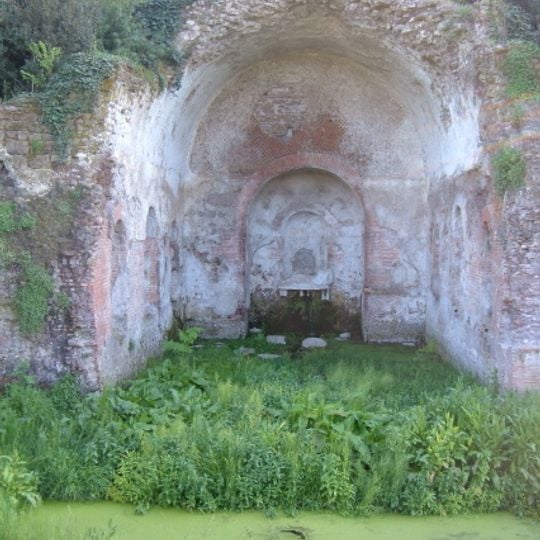
Nymphaeum of Egeria, Archaeological site in La Valle della Caffarella, Rome, Italy
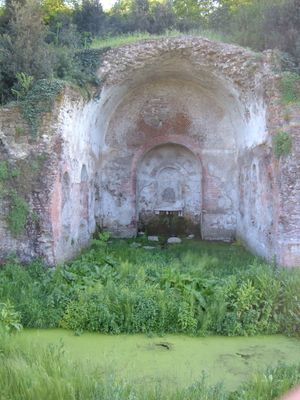
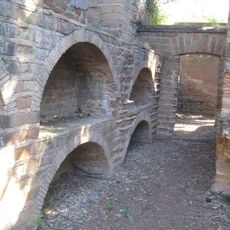
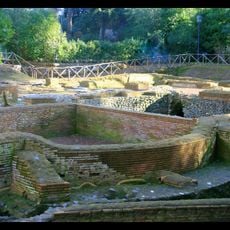
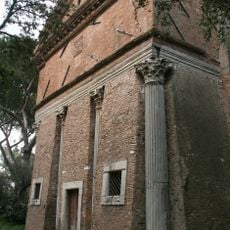
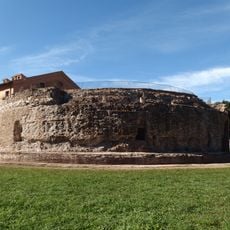
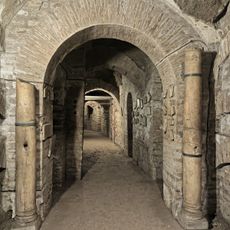
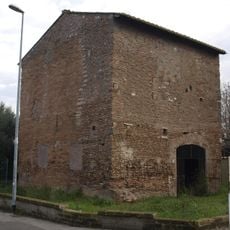
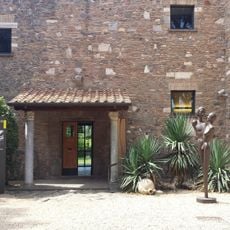
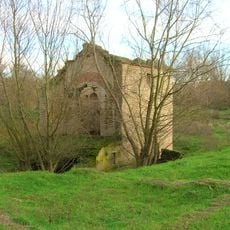
The Nymphaeum of Egeria is an ancient water structure carved into the rock face of the Valle della Caffarella, south of Rome, featuring stone basins, niches, and natural springs. The construction works with the natural moisture of the site, guiding water through channels cut directly into the rock.
The structure was built in the 2nd century AD by Herodes Atticus, a wealthy Athenian who owned large estates near Rome. Over the centuries, the site fell into disuse but was never demolished, and the springs continued to flow undisturbed.
The site takes its name from Egeria, a spring nymph from Roman mythology said to have advised King Numa Pompilius. Standing beside the flowing water, visitors can see how closely nature and legend are woven together in this valley.
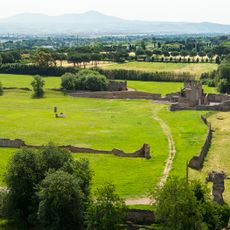
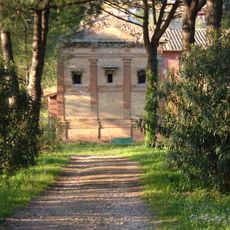
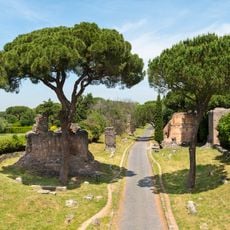
The nymphaeum is reached on foot through the Valle della Caffarella park, along an uneven path that can be muddy after rain, so sturdy shoes are recommended. Going on a weekday or in the morning gives more time to explore the area without crowds.
Herodes Atticus, who built this structure, was a Greek-born patron who became one of the most influential figures in Rome and tutored two future emperors. The choice to dedicate a water monument to a nymph tied to Rome's oldest founding legends reflects how deeply Greek and Roman culture were intertwined at the time.
The community of curious travelers
AroundUs brings together thousands of curated places, local tips, and hidden gems, enriched daily by 91,372 contributors worldwide.