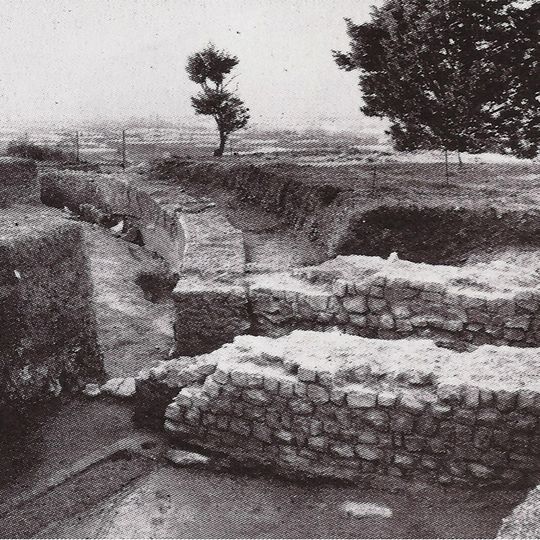
Albingaunum amphitheatre, Roman amphitheatre in Albenga, Italy
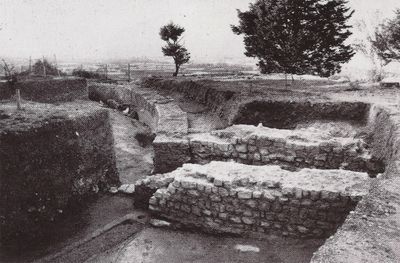
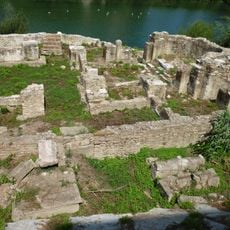
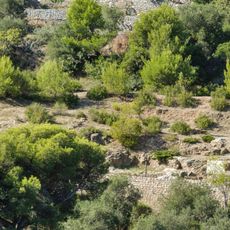
Albingaunum amphitheatre is a Roman arena in Albenga built from stone with an oval shape and tiered seating rows arranged to face a central performance space. The structure spans a large area and displays the typical construction methods Romans used for public gathering places like this.
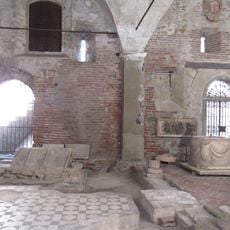
The amphitheatre was erected in the 2nd century AD, probably over an earlier settlement. After falling into disuse it became a cemetery with amphora, cappuccina and pit tombs, linked to the nearby abbey of San Martino. In 1934 the first excavations, coordinated by Nino Lamboglia, uncovered part of the north wall and an inner wall, allowing the arena and seating to be measured.
The name Albingaunum reflects what Romans called this coastal settlement, showing how public gatherings shaped community life in this region. The site served as a meeting place where people from surrounding areas came together to watch events and connect with one another.
The site is accessible via Via privata proprietà Vio in Albenga and can be explored on foot to examine the ancient stone walls and arena layout closely. It helps to wear comfortable shoes and allow time to understand the overall structure and arrangement of the site.
The amphitheatre is one of the few remaining Roman entertainment structures on the Ligurian coast and sits near the ancient trade route Via Julia Augusta. Its location connects it to a network of roads that once crossed the entire Mediterranean region.
The community of curious travelers
AroundUs brings together thousands of curated places, local tips, and hidden gems, enriched daily by 93,395 contributors worldwide.