Forcona, Archaeological site and Italian national heritage in L'Aquila, Italy.
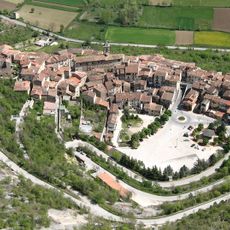
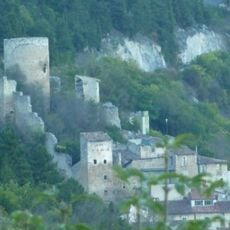
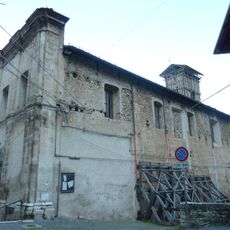
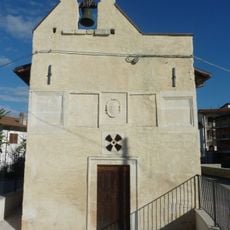
Forcona lies at today's Civita di Bagno, in the Aterno valley south of L'Aquila, on the line of the Via Claudia Nova. Excavations in 1995–2000 uncovered structures dated between the 2nd and 1st centuries BC, and the site preserves remains of the cathedral dedicated to Massimo d'Aveia.
The area served as a religious and administrative center until Pope Alexander IV moved the bishop's seat to L'Aquila in 1256. This change marked a turning point in the site's history and led to its gradual decline.
The name Civita di Bagno comes from Civitas S. Maximi, the title Forcona took after Saint Maximus of Aveia was buried here. His feast on 10 June drew Emperor Otto I and Pope John XIII to the site in 957. Excavations between 1995 and 2000 uncovered structures dated to the 2nd–1st centuries BC.
Access is possible, but the ruins require careful walking and sturdy shoes since the ground is uneven and broken in places. It helps to contact the local L'Aquila office beforehand to confirm visiting conditions and any restrictions.
The name Forcona may come from Forum Conae, linked to laccoma, Latin for pool or lake, referring to the nearby lakes of Bagno. From the pre-Lombard era the town was also called Civitas S. Maximi because Massimo d'Aveia was buried there, and that name survives in today's Civita di Bagno.
The community of curious travelers
AroundUs brings together thousands of curated places, local tips, and hidden gems, enriched daily by 94,114 contributors worldwide.