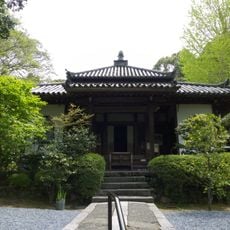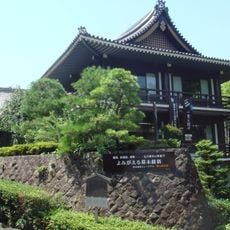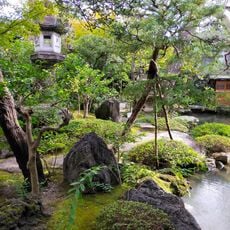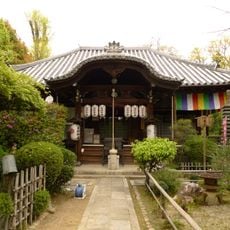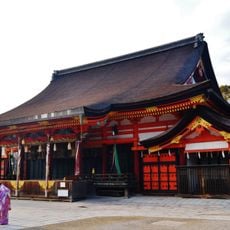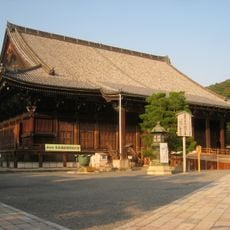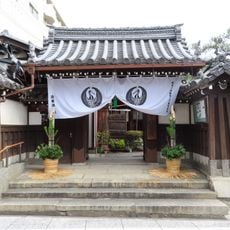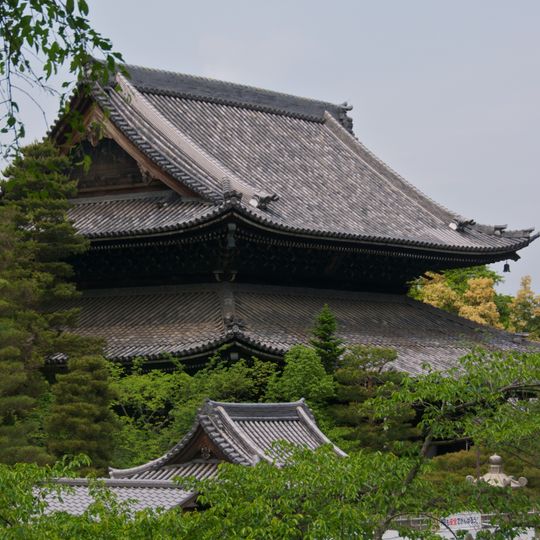
Chion-in, Buddhist temple in Higashiyama district, Kyoto, Japan
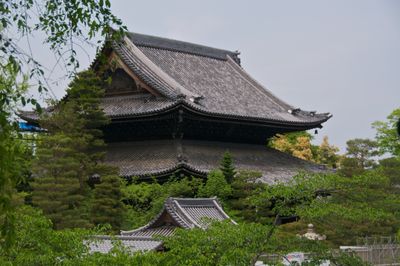
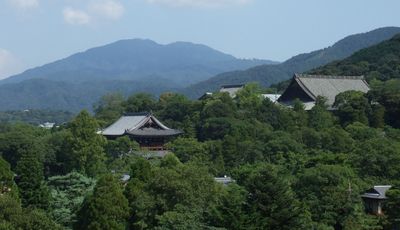
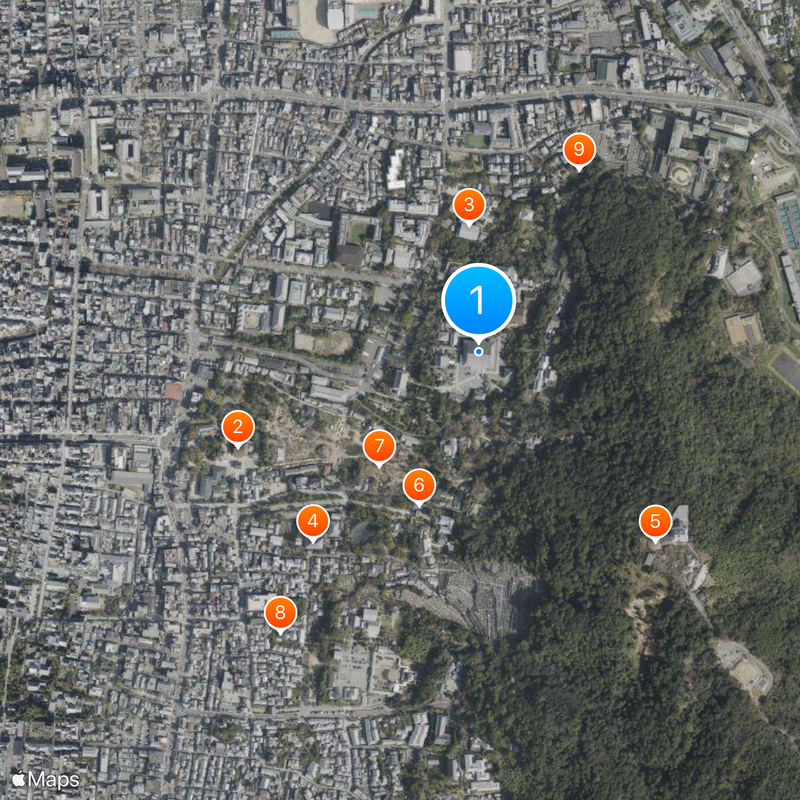
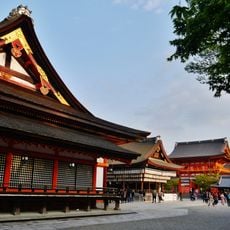
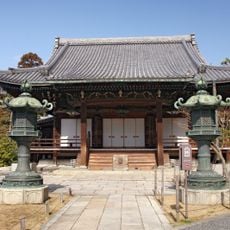
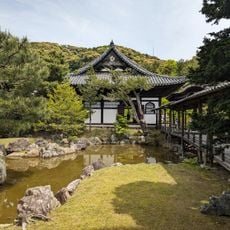
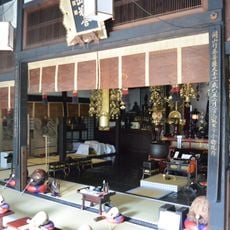
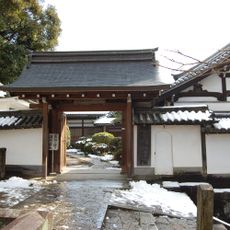
Chion-in is a Buddhist temple in Higashiyama-ku, Kyoto, set on gently rising ground and composed of multiple halls, gardens, and residential areas for monks. The compound covers a wide area with paved pathways winding between buildings of dark timber, while stone gardens and ponds create quiet intervals.
The temple began in 1175 as a site where the monk Honen spread the teachings of Pure Land Buddhism. Over the following centuries the compound received repeated support from ruling families, enabling the construction of large gates and halls.
The temple takes its name from the term "chion," which refers to gratitude for the wisdom of the Buddha and guides its spiritual practice today. Pilgrims often visit to participate in nenbutsu chanting, a form of prayer central to Pure Land teachings.
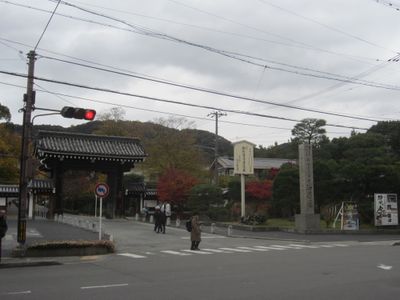
The compound sits about ten minutes on foot from the nearest subway station and remains open to visitors for most of the day. Some areas require an additional ticket purchase, so it helps to check which sections are freely accessible before passing through the gate.
One of the wooden staircases in the compound produces a faint chirping sound when stepped on, a feature monks once used as a warning signal against unwanted intruders. This so-called nightingale floor, built without nails, relies on metal clamps that rub together under pressure.
The community of curious travelers
AroundUs brings together thousands of curated places, local tips, and hidden gems, enriched daily by 91,440 contributors worldwide.