Awata Shrine, Shinto shrine in Kyoto Prefecture, Japan
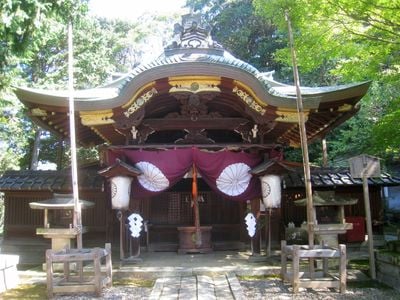
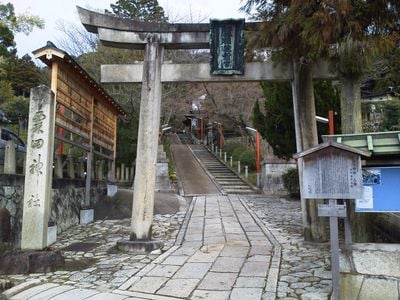
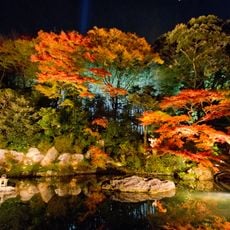
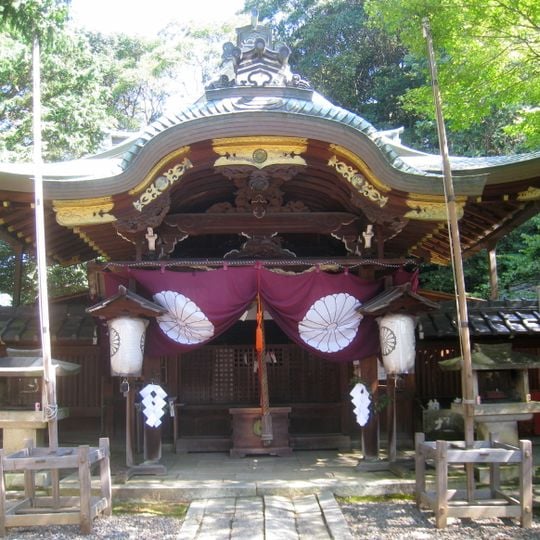
Awata Shrine is a Shinto shrine in Higashiyama-ku featuring the characteristic sloped roof design of nagare-zukuri architecture. The grounds showcase traditional elements including torii gates, garden spaces, and wooden structures that exemplify classical Japanese sacred design.
According to shrine tradition, the shrine began in 876, when an imperial envoy enshrined Ōnamuchi after a dream oracle told him to do so northeast of Gion Shrine. Another account credits the Awata clan with founding it as their tutelary shrine. It later served as the guardian shrine of Shōren-in and was renamed Awata Shrine in the Meiji era.
The shrine's name comes from Awata-guchi, one of Kyoto's seven historic entrances, where the Tokaido road passed; travellers still dedicate ema votive plaques and buy charms before setting out. Its October Awata Matsuri, held around Sports Day and on 15 October, features kenboko halberds 7–8 m long and 40–60 kg carried upright by a single bearer, and since 2008 five large lanterns (Awata Daitoro) have been revived.
The shrine stands at Awata-guchi Kaji-machi 1 in Higashiyama-ku, about a 10-minute walk from Higashiyama Station on the Tozai subway line. The approach climbs a slope, and the stone torii and offering hall sit along it. The Kaji Shrine, dedicated to swordsmiths, is on the east side partway up the path.
Awata Shrine keeps 18 sword-hilt floats (kenboko) from the Muromachi and Edo periods, each 7–8 m long and 40–60 kg; one bearer lifts each vertically during the October Awata Festival. A forge shrine on the approach honours swordsmiths Sanjo Munechika and Awataguchi Yoshimitsu, who worked in this district.
The community of curious travelers
AroundUs brings together thousands of curated places, local tips, and hidden gems, enriched daily by 93,672 contributors worldwide.