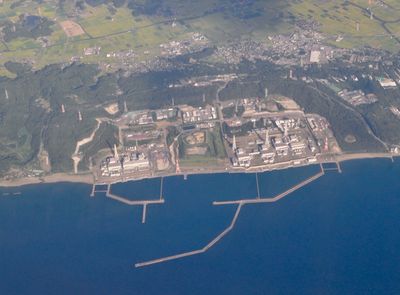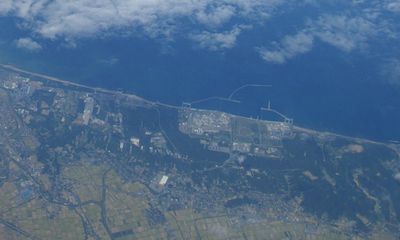
Kashiwazaki-Kariwa Nuclear Power Plant, Nuclear power plant in Niigata Prefecture, Japan.
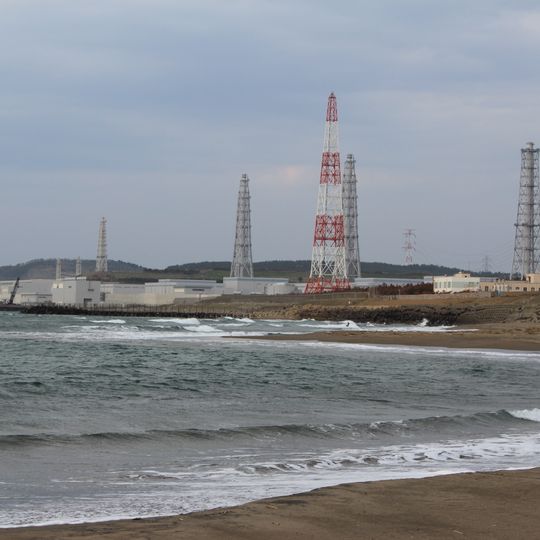
The facility sits along the coast of the Sea of Japan, spreading across the boundaries of Kashiwazaki city and the territory of Kariwa village. Its seven reactor units stand in separate buildings connected by roads and open spaces between them.
Operations began in the late 1970s as Japan expanded its energy production. The Niigata earthquake in 2007 led to extensive inspections and structural adjustments throughout the site.
The power station represents Japan's commitment to nuclear energy development, featuring seven reactor units including the first advanced boiling water reactor worldwide.
The site is accessible to visitors only by prior arrangement and is subject to strict security controls. The surrounding communities have established warning procedures and evacuation routes.
The site was the first worldwide to operate an advanced boiling water reactor. Its combined output surpasses all other nuclear plants by electrical generation.
Location: Kashiwazaki
Location: Kariwa
Inception: June 5, 1980
Website: https://tepco.co.jp/en/hd/ourbusiness/nuclear/kashiwazaki-kariwa/index-e.html
GPS coordinates: 37.42833,138.60167
Latest update: December 4, 2025 23:42
This collection brings together nuclear power plants that have shaped the history of civilian nuclear energy. Some experienced accidents that changed the world’s view of nuclear energy. Chernobyl in Ukraine remains a symbol of the 1986 disaster, while Fukushima in Japan showed the risks of natural events. Three Mile Island in Pennsylvania paused the building of new reactors in the US for many years. Other sites are among the largest in the world, like Kashiwazaki-Kariwa in Japan or Bruce in Canada. Many places are facing challenges today, such as the Zaporijia plant in Ukraine. The collection also includes projects that tried to push the technical limits of this energy. Superphénix in France and Monju in Japan explored new types of reactors, with mixed results. Some facilities, like Bataan in the Philippines, were never operational despite being fully built. Others, like Oyster Creek or Tokai, helped start nuclear work in their countries. From Siberia to the United Arab Emirates, from Canada to India, these sites tell stories about energy choices, technical progress, failures, and questions that have surrounded this source of power for more than sixty years.
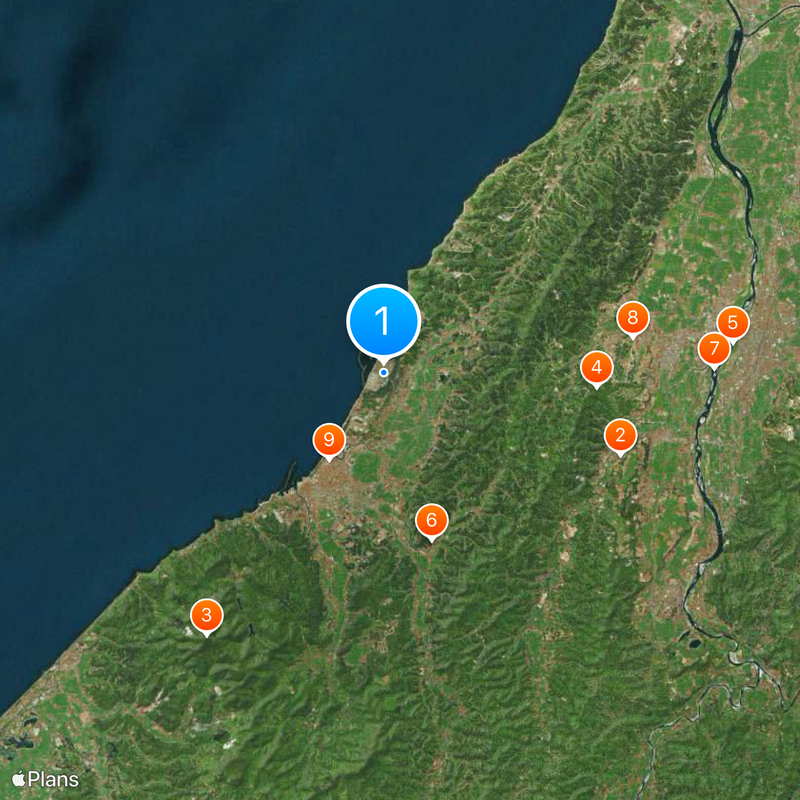
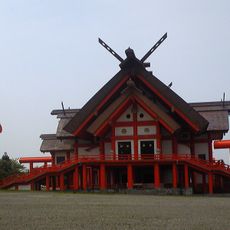
Hotokusan Inari Taisha Shrine
14.7 km
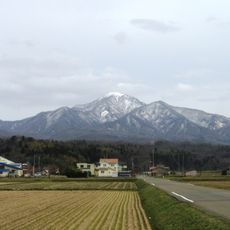
Mount Yone
18.6 km
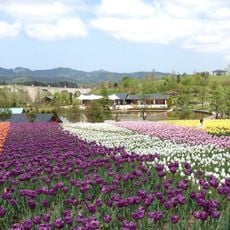
Echigo Hillside Park
12.6 km
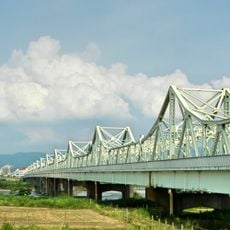
Chosei Bridge
20.6 km
Château de Hojo
10.2 km
Phoenix-ohashi Bridge
19.5 km
Umataka-Sanjūinaba Site
14.8 km
新潟県立柏崎翔洋中等教育学校
6 km
Niigata Prefectural Museum of History
14.7 km
慈眼寺
21.7 km
Mononobe-jinja
7.1 km
米山大橋
13.6 km
長岡リリックホール
20.5 km
Ote Bridge
20.7 km
Ojiya Nishikigoi no Sato
21.5 km
Koshino Ohashi Bridge
21.8 km
長谷川邸
14 km
Ojiya Bridge
22 km
Nagaoka Fireworks Museum
18.2 km
信濃川橋梁
18.8 km
船岡公園 (小千谷市)
22 km
柏崎市文化会館アルフォーレ
7.9 km
浄善寺
25.1 km
小千谷市立図書館
21.5 km
Momijien
15.9 km
Ojiya-shi General Industrial Hall Sun Plaza
21.6 km
慈眼寺
17.4 km
Tepco
677 mReviews
Visited this place? Tap the stars to rate it and share your experience / photos with the community! Try now! You can cancel it anytime.
Discover hidden gems everywhere you go!
From secret cafés to breathtaking viewpoints, skip the crowded tourist spots and find places that match your style. Our app makes it easy with voice search, smart filtering, route optimization, and insider tips from travelers worldwide. Download now for the complete mobile experience.
A unique approach to discovering new places❞
— Le Figaro
All the places worth exploring❞
— France Info
A tailor-made excursion in just a few clicks❞
— 20 Minutes