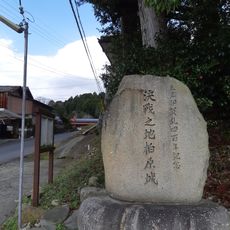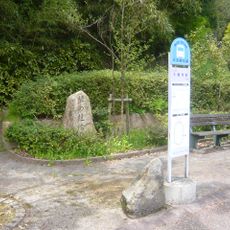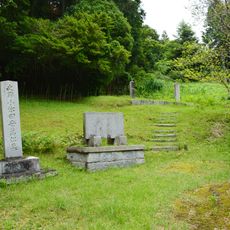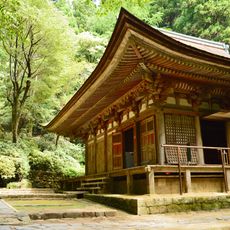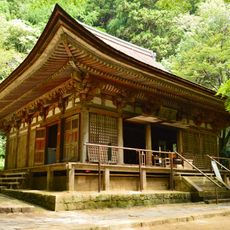
Mitsue, village in Uda district, Nara prefecture, Japan
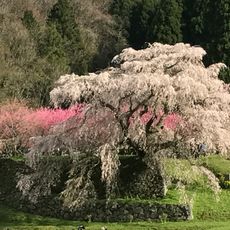
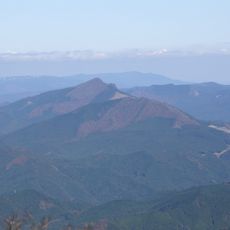
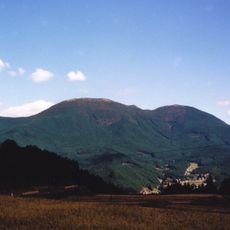
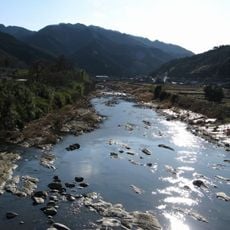
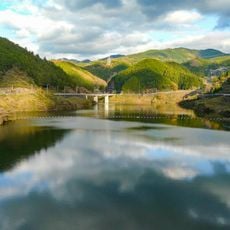
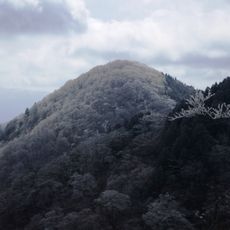
Mitsue is a village in Uda District situated in a hilly area surrounded by mountains including Mount Miune, spreading across a large area with very few residents. Located on the Soni Plateau in the northern Kansai region, the terrain is heavily forested with cedar trees covering many of the hillsides.
The village traces its roots to ancient times as part of Yamato Province and was officially established in 1889 when Japan reorganized its local governments. The historic pilgrimage route called Ise Honkaido passes through the region and has connected travelers on spiritual journeys for hundreds of years.
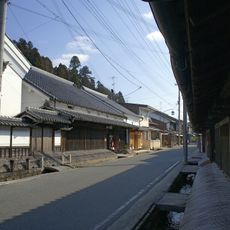
The name reflects its historical roots, and the village remains tied to traditional forestry and woodcraft practices that shape daily life here. Residents maintain local customs and work together to preserve community bonds and their connection to the surrounding landscape.
There are no train stations directly in the village, but visitors can reach it by car or bus from nearby stations Haibara and Nabari on the Kinetsu Osaka Line. Spring and summer offer the most pleasant conditions for exploring, while winters bring cold temperatures and occasional snow.
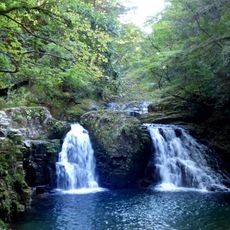
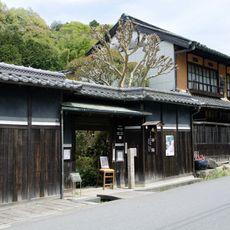
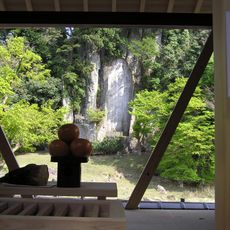
The village stands out for its woodcraft heritage and recent project exporting traditional wooden houses abroad, especially to Thailand where such architecture is rare. An unusual local feature includes a distinctive rock formation and the Okada valley which displays a striking green and white grass carpet in summer created by lizard's tail plants.
The community of curious travelers
AroundUs brings together thousands of curated places, local tips, and hidden gems, enriched daily by 91,831 contributors worldwide.