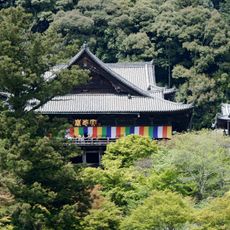
Hōki-in, Buddhist temple and Kannon pilgrimage site in Hase, Japan.
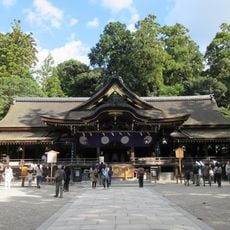
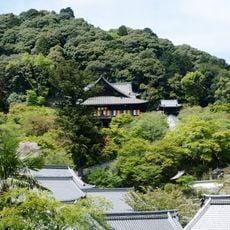
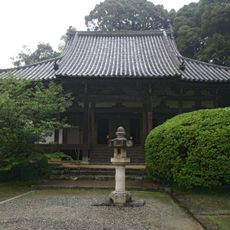
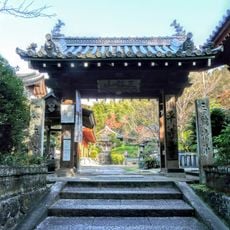
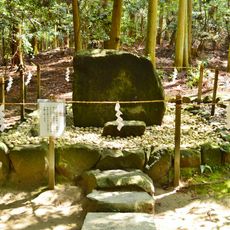
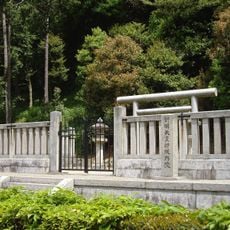
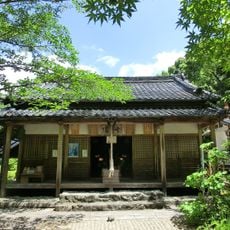
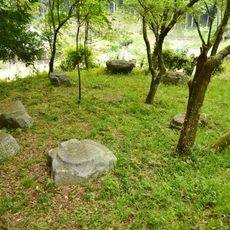
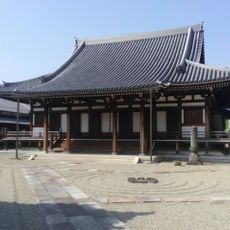
Hōki-in is a sub-temple (tatchū) of Hase-dera in Hase, Sakurai, Nara Prefecture, belonging to the Shingon Buzan school. Its main hall, the Kaisan-dō, unusually faces north, oriented toward Hase-dera's eleven-headed Kannon. The grounds hold a thirteen-tier stone pagoda said to be the tomb of Tokudō, plus a Kōshin-dō, a Benzaiten-dō and the monk's former stepping stone.
According to temple tradition, the monk Tokudō, credited with founding the Saigoku 33-temple Kannon pilgrimage in 735, built a grass hut here; in old age he is said to have climbed a pine in the grounds and died transformed into the Hōki Bodhisattva, which gave the temple its name. In 1695 the Hase-dera abbot Eigaku revived the site as the temple's kaisan-dō, and it now counts as an extra stop (bangai) between the 7th and 8th stations of the circuit.
The name Hōki-in comes from the legend that Tokudō, founder of the Saigoku 33-temple Kannon pilgrimage, climbed a pine in the grounds and died transformed into the bodhisattva Hōki. The temple is the bangai, or extra station, between temples 7 and 8 of that route. The goeika hymn sung by pilgrims compares paradise to a lotus in one's own heart.
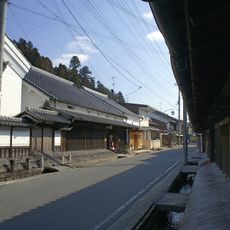
Hōki-in is reached on foot from Kintetsu Hase-dera Station, about a 20-minute walk; the temple stands at Hase 776 in Sakurai, Nara. The grounds hold the main hall, Tokudō's tomb, a Kōshin hall and a Benzaiten hall, and the Hase River crossing leads to Yoki Tenman Shrine. Signage is in Japanese.
Hōki-in's name comes from its founder, Tokudō, who is said to have climbed a pine tree in the grounds in his final years and died transformed into a Hōki Bosatsu. A thirteen-tier stone pagoda in the precinct is identified as his tomb. The main hall faces north, toward the eleven-headed Kannon of Hase-dera.
The community of curious travelers
AroundUs brings together thousands of curated places, local tips, and hidden gems, enriched daily by 94,117 contributors worldwide.