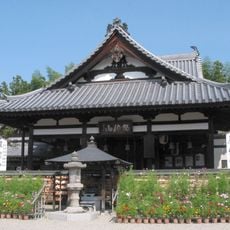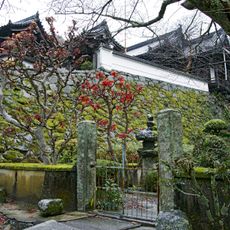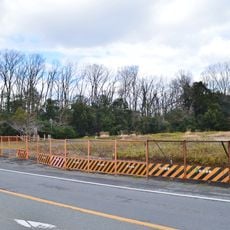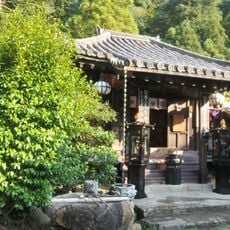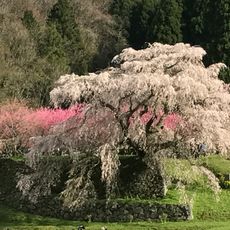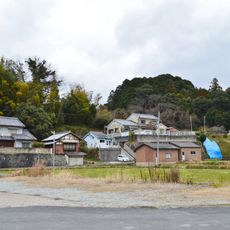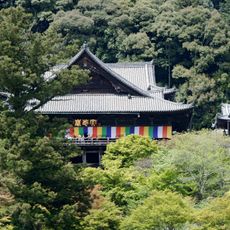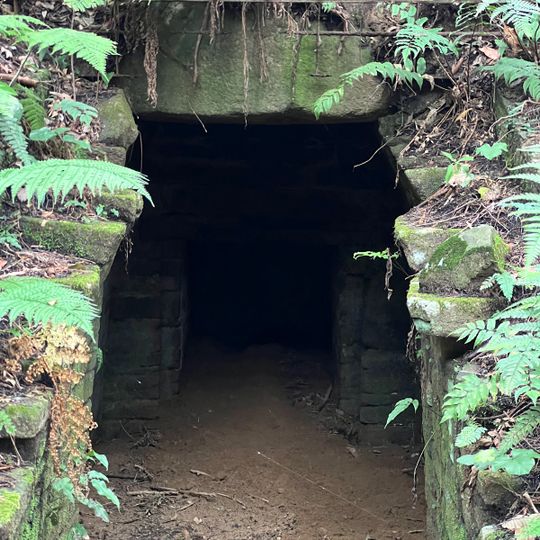
Hanayamazuka Kofun, Royal burial mound in Nara Prefecture, Japan
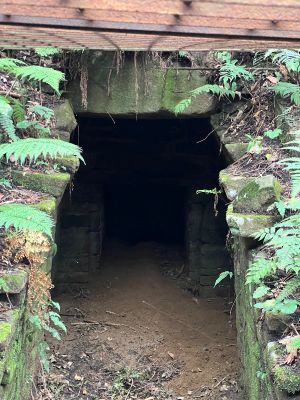
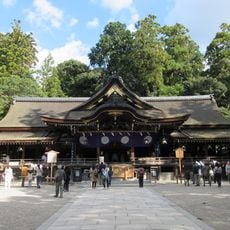
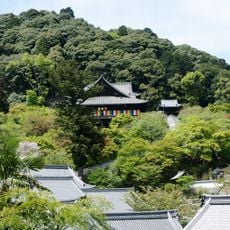
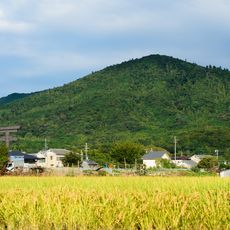
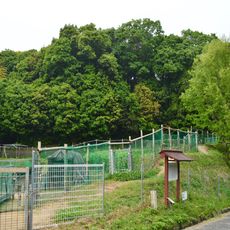
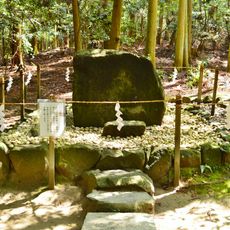
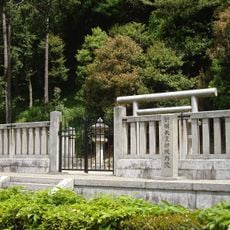
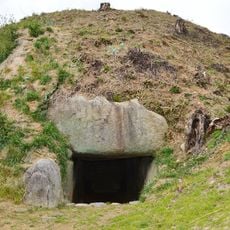
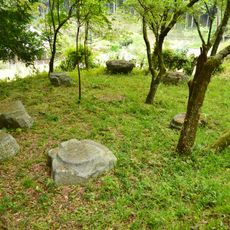
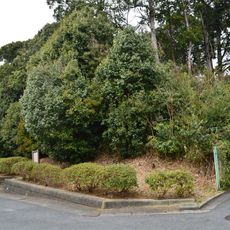
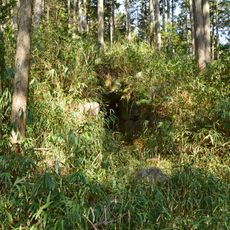
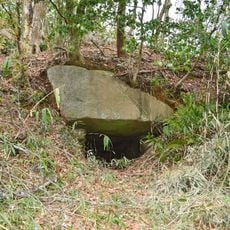
Hanayamazuka Kofun is a burial mound shaped like a keyhole, with a rectangular front section and a round rear section. The entire structure is surrounded by earthen walls that separate the mound from the surrounding landscape.
This burial mound was built during the Kofun period between 300 and 538 AD, when local leaders demonstrated power through monumental construction. In 1927, the site received official recognition as a Historic Site of Japan.
The clay figures and objects found here show how people honored their dead and what crafts they mastered in ancient times. These burial practices reveal how important these monuments were for displaying a ruler's authority and status.
The mound is easy to locate in Nara and can be visited on foot without special requirements. Visitors should wear sturdy footwear since the terrain is uneven and walking around the site requires proper footing.
The keyhole-shaped design of this mound was a particularly prestigious pattern during the Kofun period for major burial sites. This architectural pattern appears in some of the most important tombs from this era across Japan.
The community of curious travelers
AroundUs brings together thousands of curated places, local tips, and hidden gems, enriched daily by 92,233 contributors worldwide.