Higashiyoshino, village in Yoshino district, Nara prefecture, Japan
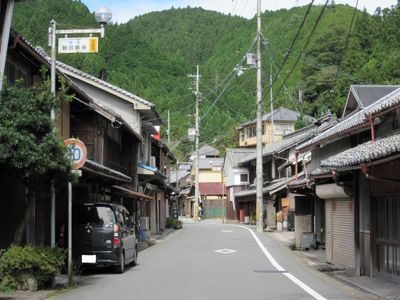
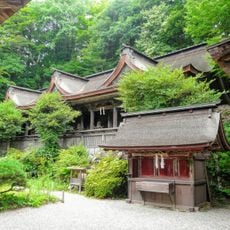
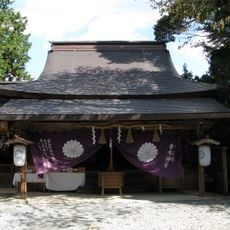
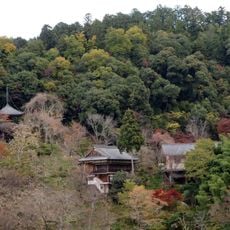
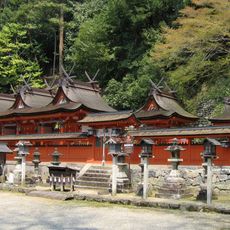
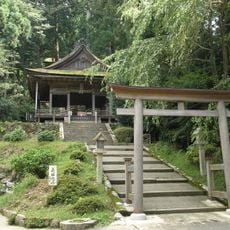
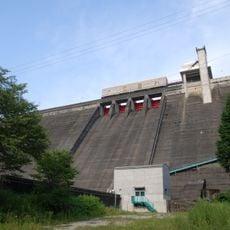
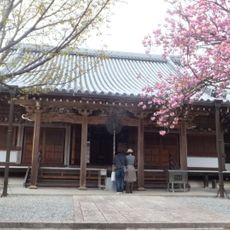
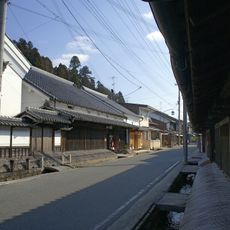
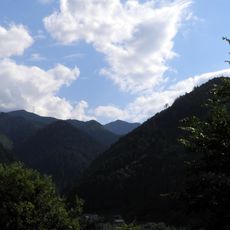
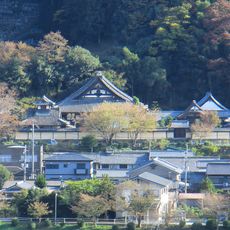
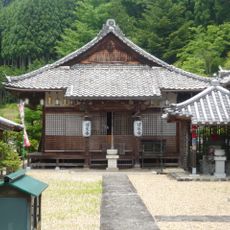
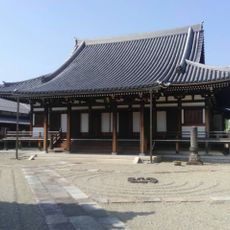
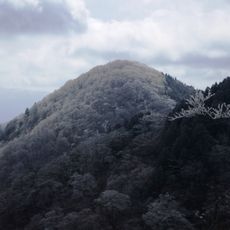
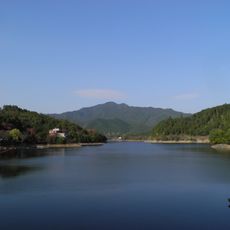
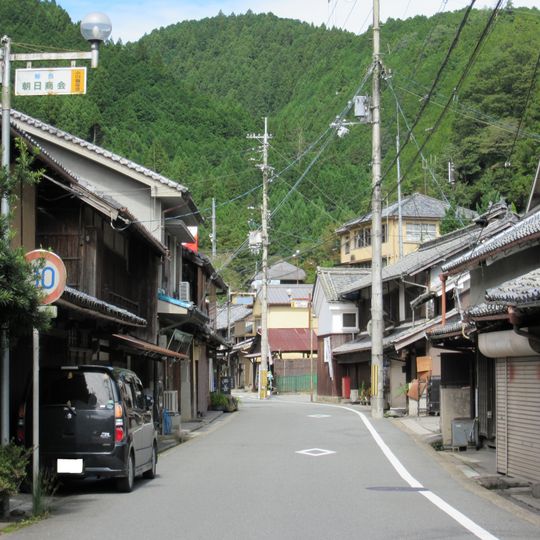
Higashiyoshino is a mountain village in Yoshino District, Nara Prefecture, surrounded by forest and crossed by the Takami River. The settlement is made up of traditional cedar wood houses, a roadside market selling local produce, and several historic shrines.
The village was formed in 1958 when three separate communities, Ogawa, Takami, and Shigo, merged into one settlement. Before that, the area had already marked its place in natural history: in 1905, the last known Japanese wolf in the country was killed here.
The village has become a gathering place for potters who practice traditional Japanese firing techniques in restored old houses. Visitors can join hands-on workshops to shape tea bowls and flower vases using methods passed down over generations.
Reaching and getting around the village requires a car or bicycle since there is no train station and many spots are spread across forested hills. Accommodation options range from places with hot spring facilities to tent spaces, so it is worth planning the visit in advance.
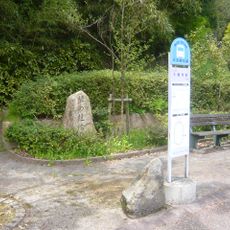
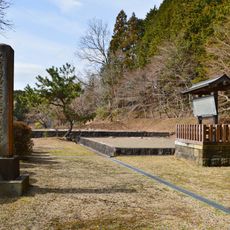
The skull of the wolf killed here in 1905 ended up at the British Museum in London, where it is kept as a specimen. A bronze statue along the Takami River marks the spot where this animal, once seen as a mountain deity in local tradition, disappeared from Japan forever.
The community of curious travelers
AroundUs brings together thousands of curated places, local tips, and hidden gems, enriched daily by 91,825 contributors worldwide.