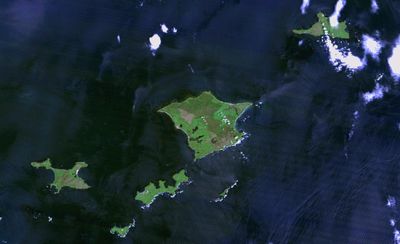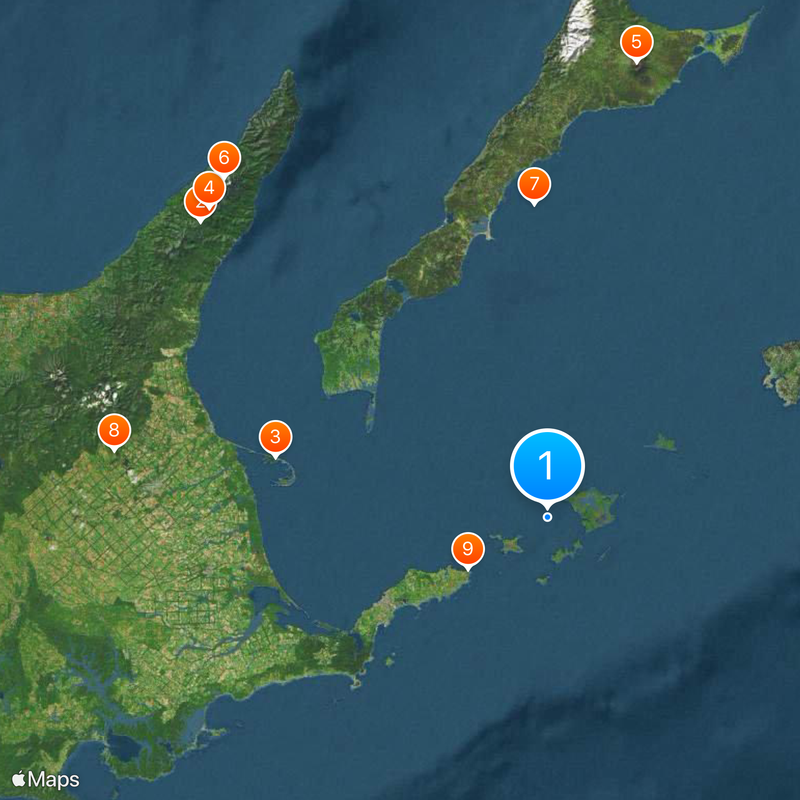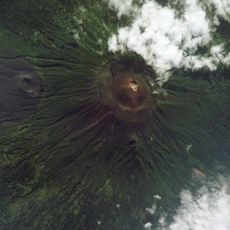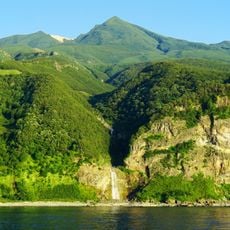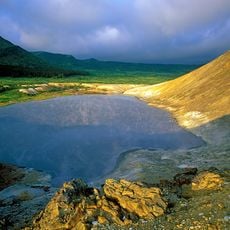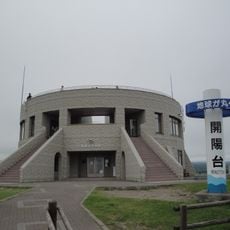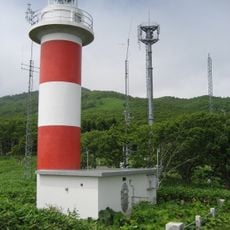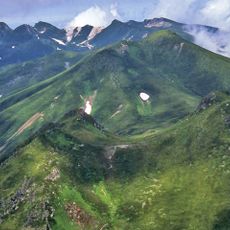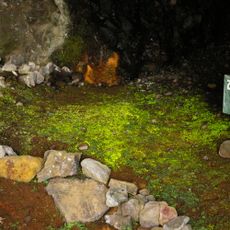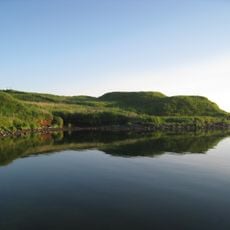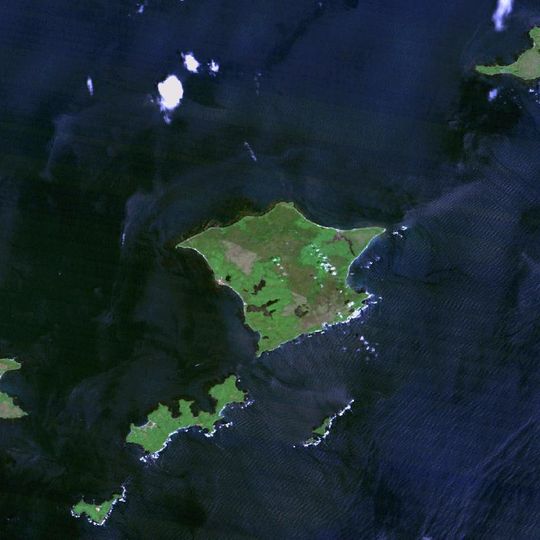
Habomai Islands, Island group in northern Pacific Ocean
The Habomai Islands are made up of six main islands and several smaller rock formations that form the southernmost section of the Kuril chain, located off the coast of Hokkaido. The waters around them are characterized by productive fishing areas and extensive kombu kelp beds.
These islands were under Japanese control from the early 19th century until 1945, when Soviet forces assumed administration following the end of World War II. The Japanese population was evacuated and the territories remain a subject of diplomatic negotiations between both countries to this day.
These islands form part of the four territories Japan refers to as the "Northern Territories," while they remain under Russian administration today. Former residents continue to organize memorial events and keep alive the memory of their original homeland.
Access to the area requires special permission from Russian authorities, as the islands are considered a border zone. Most islands remain uninhabited and can only be reached by boat during warmer months when weather conditions allow.
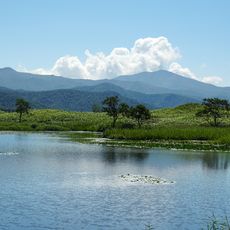
Unlike other islands in the Kuril chain, these islands feature low rolling hills rather than volcanic mountains, making them geologically more similar to nearby Shikotan Island. On clear days, the peaks of Hokkaido can be seen from the easternmost point.
The community of curious travelers
AroundUs brings together thousands of curated places, local tips, and hidden gems, enriched daily by 92,407 contributors worldwide.