Shibetsu Salmon Science Museum, Science museum in Shibetsu, Japan
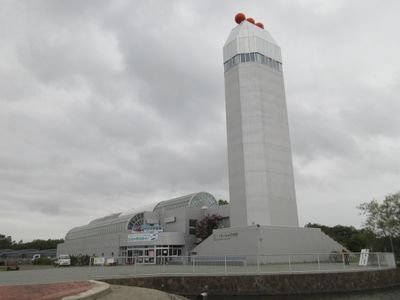
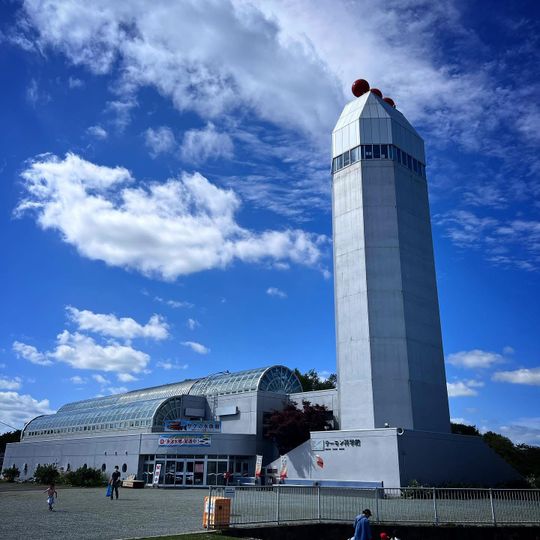
The Shibetsu Salmon Science Museum is a public aquarium and science museum in Shibetsu, on the eastern coast of Hokkaido, dedicated to salmon and trout species found in Japan and beyond. Large tanks display live fish, while exhibits explain migratory routes, life cycles, and the biology of these species in detail.
The Shibetsu Salmon Science Museum opened on 15 September 1991 as a municipal science museum of Shibetsu. In 1996 it became the first facility in the world to collect eggs from a female chum salmon, artificially fertilise them and raise the young in freshwater. A research and training centre for long-staying students and researchers was added on 1 October 2010.
The museum's Japanese name, Shibetsu Salmon Science Museum, ties it to the town's salmon culture, and its glass-walled channel is a fish ladder for the Shibetsu River. Each autumn the sluice gates open and chum and pink salmon climb the channel's waterfall. A salmon catching station of the Nemuro salmon and trout propagation association stands directly behind the building.
The museum is easy to reach by car from central Shibetsu, with parking available nearby, but public transport options in the area are limited so planning ahead helps. A visit of one to two hours is enough to see the main exhibits, though those who want to linger at the tanks may want to allow more time.
Just outside the museum, the Shibetsu River runs past the building, and in autumn it is sometimes possible to see salmon swimming upstream, which turns the outdoor setting into a live extension of what is shown inside. Visitors can also buy fish food from capsule vending machines and feed the fish in the tanks directly.
The community of curious travelers
AroundUs brings together thousands of curated places, local tips, and hidden gems, enriched daily by 93,378 contributors worldwide.