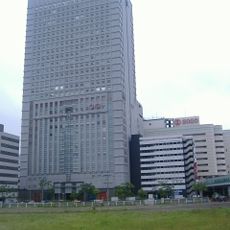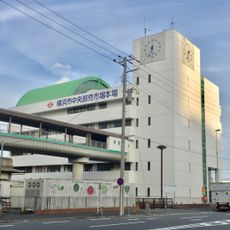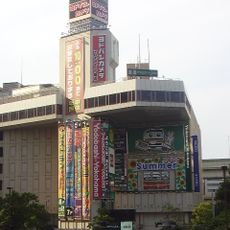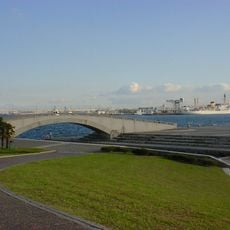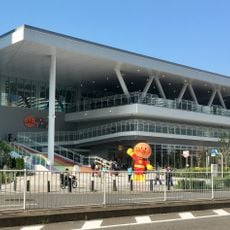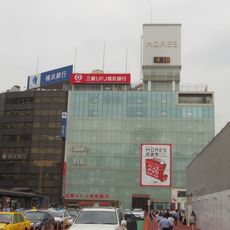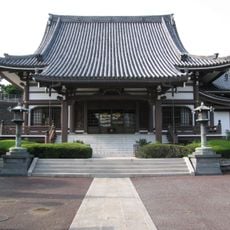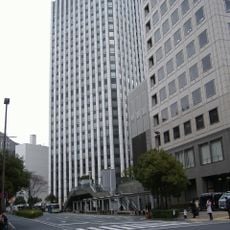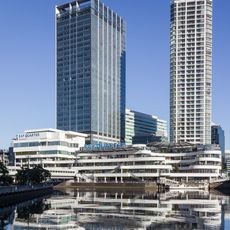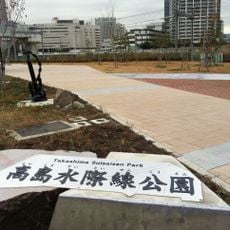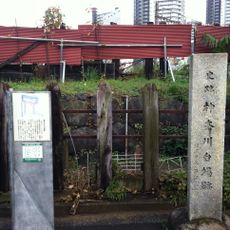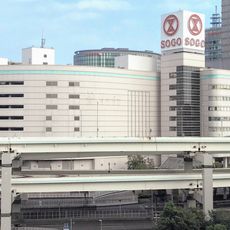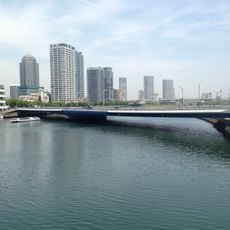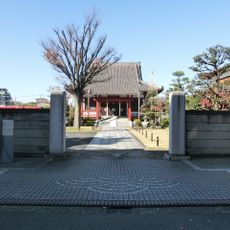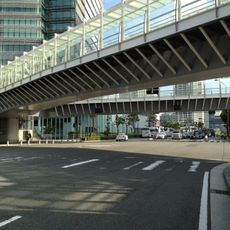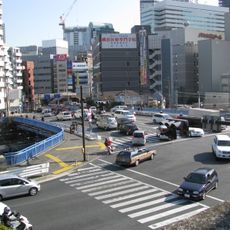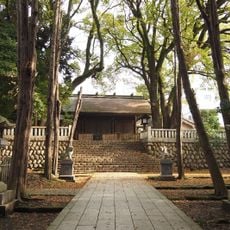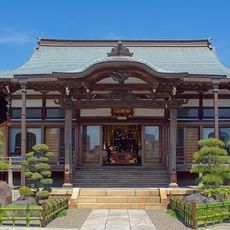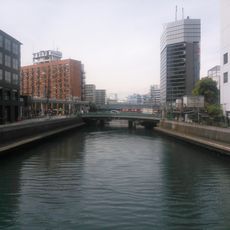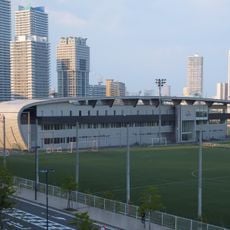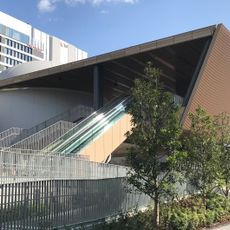
Kanagawa-juku, Post station of the Tōkaidō in Kanagawa-ku, Yokohama, Japan.
Kanagawa-juku was a post station along the Tōkaidō road, serving as the third stop on this major trade route connecting Edo and Kyoto. The station sat near Kanagawa Port and functioned as a central hub where travelers, merchants, and officials changed horses and rested during their journeys.
The station developed during the Edo period as a crucial checkpoint and transfer point on the Tōkaidō route. After merging into Yokohama in 1901, it suffered severe damage during the Great Kantō earthquake and gradually lost its importance as trade patterns shifted.
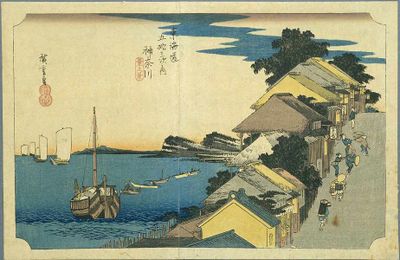
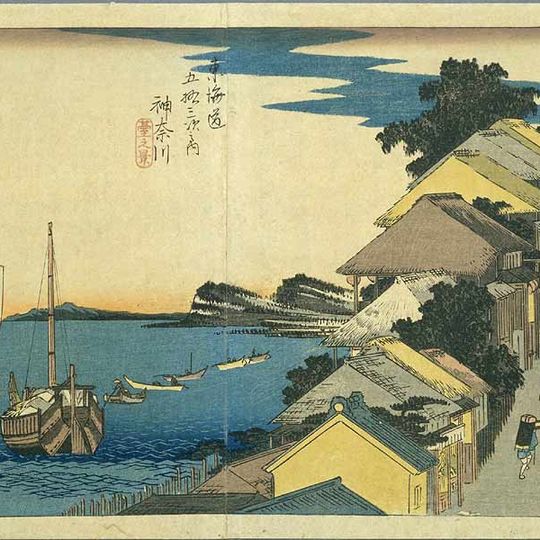
The location appears in Utagawa Hiroshige's woodblock print series from the 1830s, documenting the visual narrative of the Tōkaidō stations.
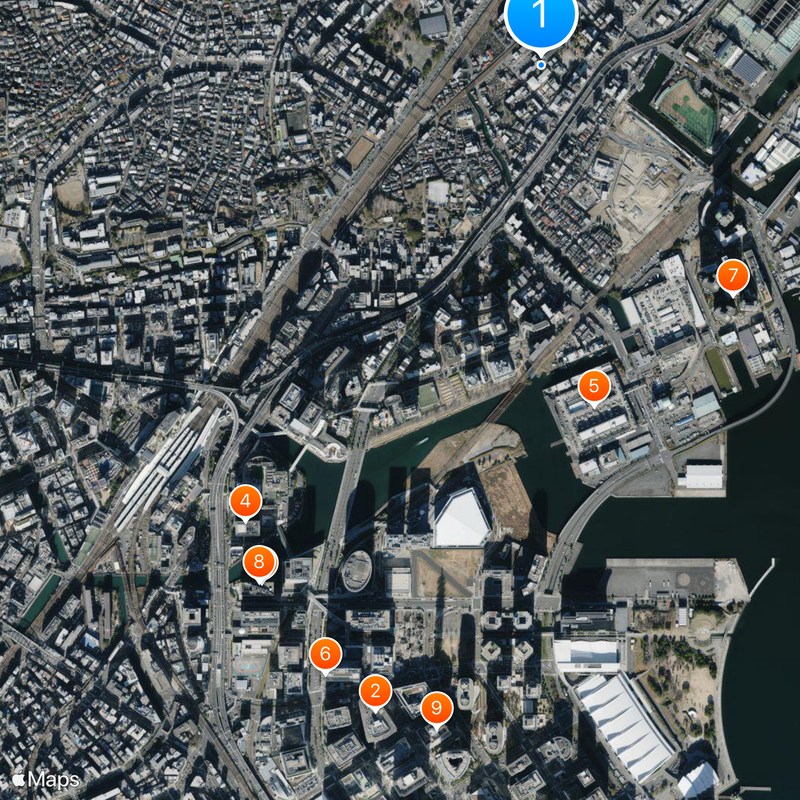
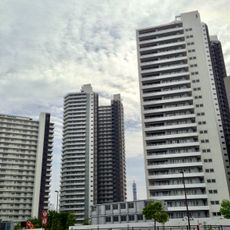
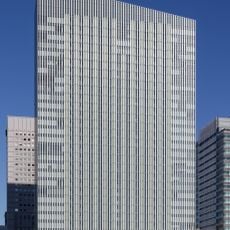
The location has basic accessibility and sits close to modern transportation connections in Yokohama. Visitors should know that little remains of the historical station itself, as the area has been heavily transformed by urban development.
This location was originally selected as the site for an international port, but maritime trade activities were later moved to the opposite shore in what is now Naka-ku district. This shift in commercial focus had major consequences for the development of the entire region.
The community of curious travelers
AroundUs brings together thousands of curated places, local tips, and hidden gems, enriched daily by 90,913 contributors worldwide.