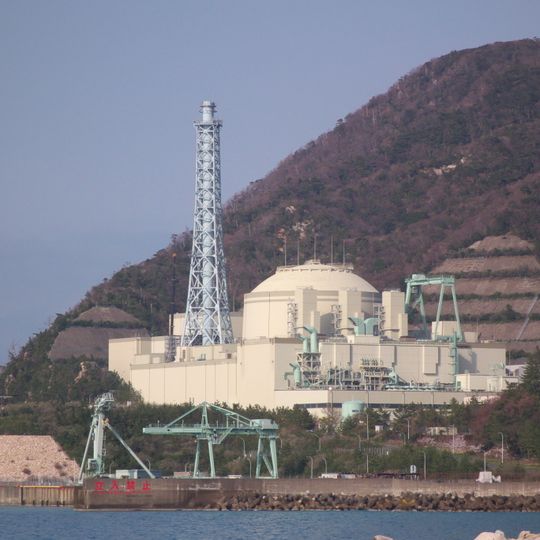
Monju Nuclear Power Plant
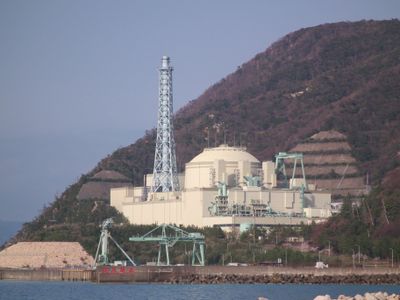
Monju Nuclear Power Plant, Nuclear power facility in Tsuruga, Japan.
Monju is a decommissioned sodium-cooled fast breeder reactor located in Tsuruga, Fukui Prefecture. The facility was designed with a net electrical capacity of 246 megawatts and belonged to an experimental reactor program focused on fuel generation.
Construction began in 1986 and the first chain reaction occurred in 1994. A sodium leak caused a fire in 1995, which led to operational suspension and the final decision to decommission in 2016.
The name Monju derives from Manjusri, a Buddhist figure representing wisdom, reflecting the Japanese practice of connecting industrial facilities to spiritual concepts.
The site is not open to the public as decommissioning work will continue until 2047. Operations require specialized procedures for handling radioactive materials and residual sodium coolant.
The reactor ran for less than one year over its entire operational lifespan and cost more than one trillion yen. Sodium-cooled fast breeder reactors are considered technically demanding because liquid sodium reacts violently when exposed to air or water.
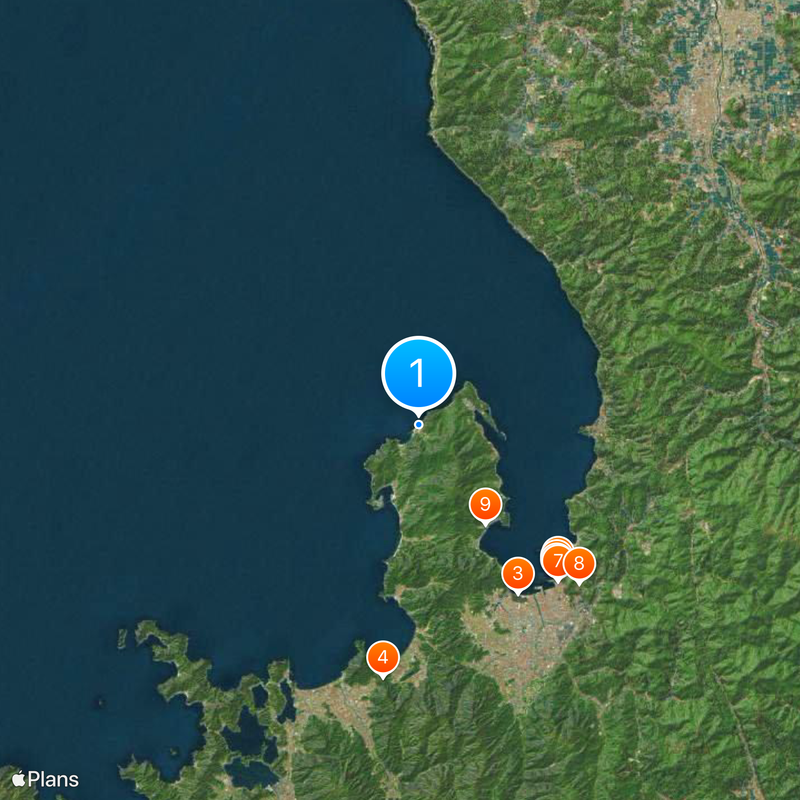
Location: Tsuruga
Website: https://jaea.go.jp/04/monju
GPS coordinates: 35.74028,135.98806
Latest update: December 4, 2025 19:03
This collection brings together nuclear power plants that have shaped the history of civilian nuclear energy. Some experienced accidents that changed the world’s view of nuclear energy. Chernobyl in Ukraine remains a symbol of the 1986 disaster, while Fukushima in Japan showed the risks of natural events. Three Mile Island in Pennsylvania paused the building of new reactors in the US for many years. Other sites are among the largest in the world, like Kashiwazaki-Kariwa in Japan or Bruce in Canada. Many places are facing challenges today, such as the Zaporijia plant in Ukraine. The collection also includes projects that tried to push the technical limits of this energy. Superphénix in France and Monju in Japan explored new types of reactors, with mixed results. Some facilities, like Bataan in the Philippines, were never operational despite being fully built. Others, like Oyster Creek or Tokai, helped start nuclear work in their countries. From Siberia to the United Arab Emirates, from Canada to India, these sites tell stories about energy choices, technical progress, failures, and questions that have surrounded this source of power for more than sixty years.
Kanegasaki Castle
11.3 km
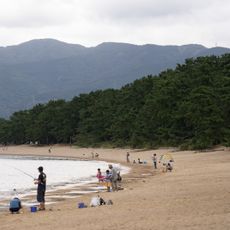
Kehi no Matsubara
11 km
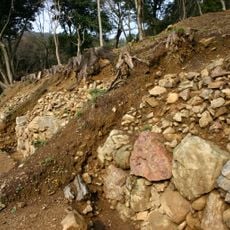
Kuniyoshi Castle
14.2 km
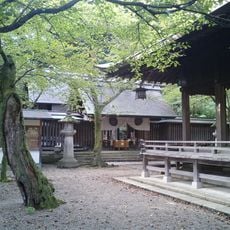
Kanegasaki-gū
11.5 km
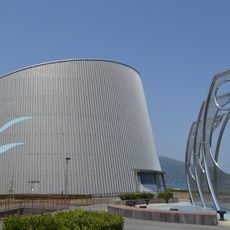
Port of Humanity Tsuruga Museum
11.6 km
Tsuruga Red Brick Warehouse
11.7 km
Nakaikemi Wetland
12.7 km
Jogu-jinja
6.7 km
Nosakadake
17.1 km
Saifukuji
10.1 km
Kotone Tunnel
20.4 km
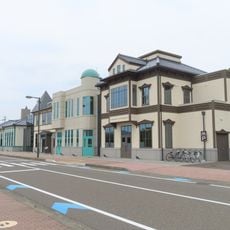
Former Tsuruga Port Station Building
11.7 km
Tsuruga Municipal Museum
11.8 km
Kanegasaki Ryokuchi Park
11.6 km
ヤマトタカハシ 敦賀昆布館
14.1 km
宇波西神社
18.6 km
Snow Crab Museum
20.2 km
Mount Saihō
3.9 km
Kirameki Minatokan
11.7 km
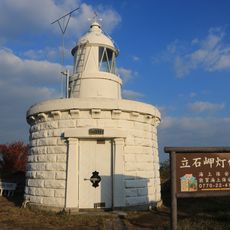
Tateishimisaki Lighthouse
3.7 km
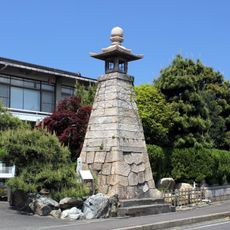
Stone Lantern at Suzaki
11.5 km
Kami-Warabe Washi Paper Doll Museum
11.8 km
Tsunegami-misaki Lighthouse
19.3 km
Kareisaki Lighthouse
16.5 km
Funatosisaki Lighthouse
5 km
菅浜港防波堤灯台
10.2 km
越前白浜港高佐第四防波堤照射灯
17.2 km
Kehi Shrine
12.3 kmReviews
Visited this place? Tap the stars to rate it and share your experience / photos with the community! Try now! You can cancel it anytime.
Discover hidden gems everywhere you go!
From secret cafés to breathtaking viewpoints, skip the crowded tourist spots and find places that match your style. Our app makes it easy with voice search, smart filtering, route optimization, and insider tips from travelers worldwide. Download now for the complete mobile experience.
A unique approach to discovering new places❞
— Le Figaro
All the places worth exploring❞
— France Info
A tailor-made excursion in just a few clicks❞
— 20 Minutes