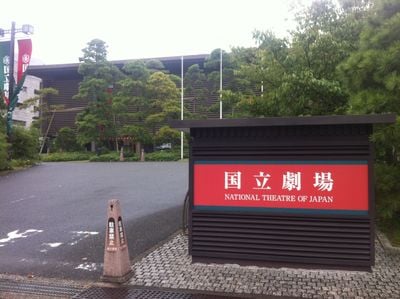
National Theatre of Japan, National theatre in Hayabusacho, Tokyo, Japan
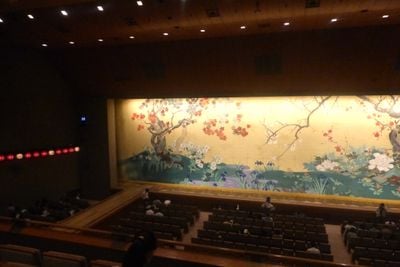
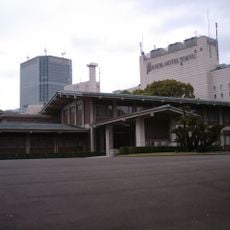
The National Theatre of Japan consists of two buildings containing three separate halls, with the main building housing a large auditorium for kabuki and a smaller space dedicated to bunraku puppet performances. The primary auditorium seats 1610 spectators and operates under the management of the Japan Arts Council, overseen by the Ministry of Education.
The theatre opened on November 1, 1966, with the goal of preserving and regularly staging traditional Japanese performance forms. The construction was carried out by Takenaka Corporation and marked an important step in government support for classical stage arts.
Visitors today experience regular performances of traditional Japanese stage arts such as kabuki drama, bunraku puppet theatre, gagaku court music and classical dance across both halls. The programme changes monthly and offers a chance to see different aspects of these centuries-old performance traditions.
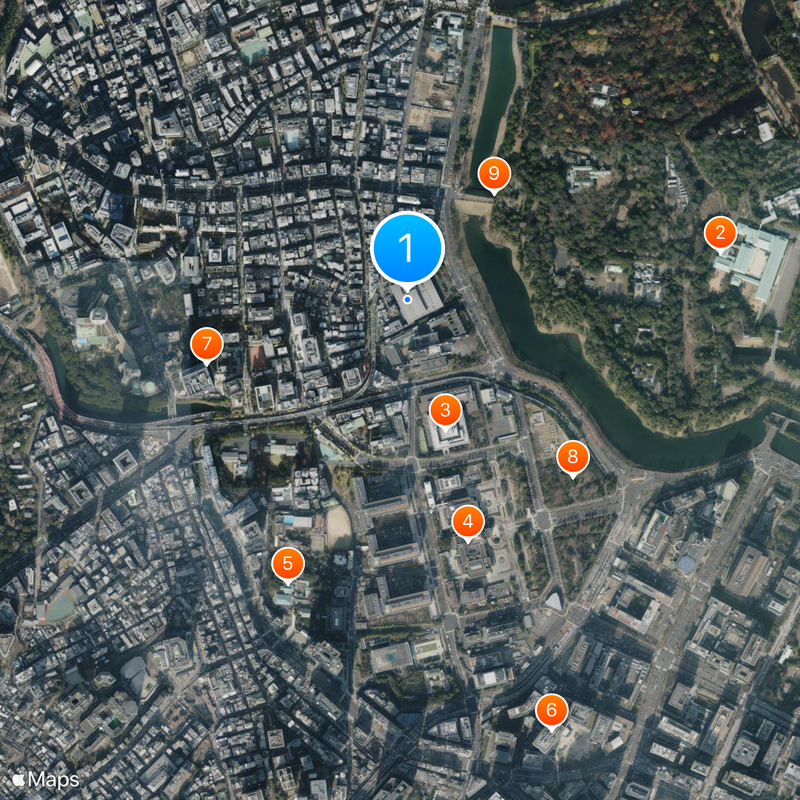
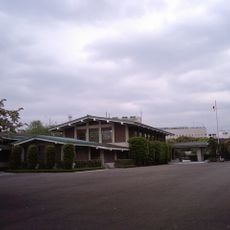
The two halls are located in separate buildings within the Hayabusachō district and can be accessed through shared entrance areas. Visitors should note that many performances last several hours and are presented in Japanese without subtitles.
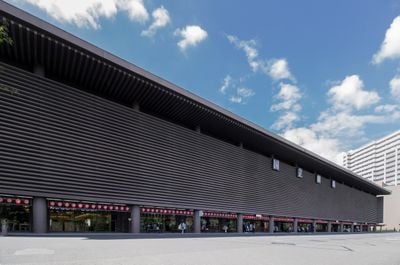
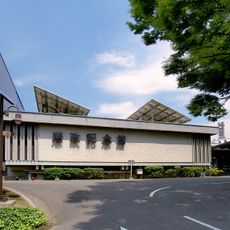
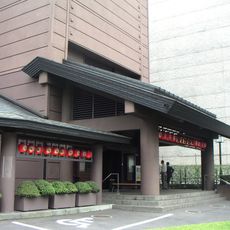
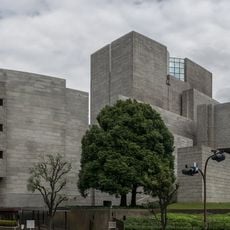
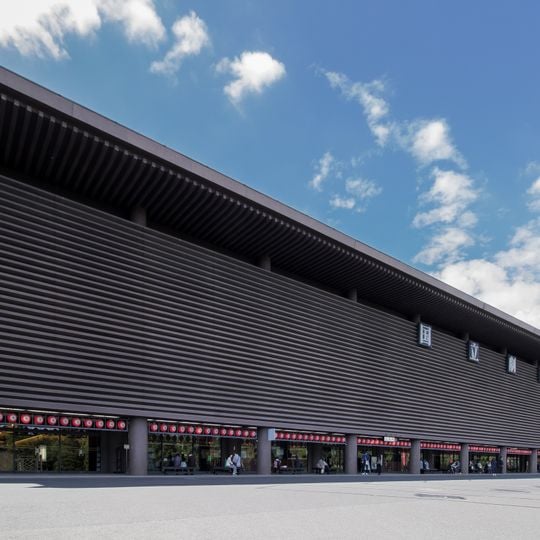
The exterior of the main building incorporates design elements from azekura-zukuri style, an ancient construction method using horizontally stacked timber logs originally seen at the imperial treasury building Shōsōin. This architectural reference visibly connects the modern theatre with historical Japanese building traditions.
The community of curious travelers
AroundUs brings together thousands of curated places, local tips, and hidden gems, enriched daily by 92,622 contributors worldwide.