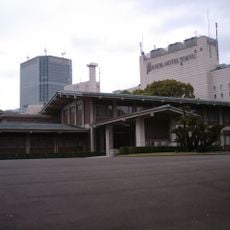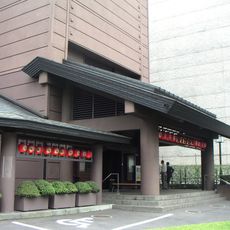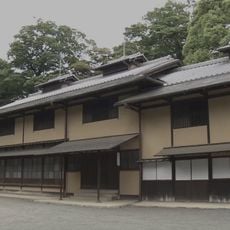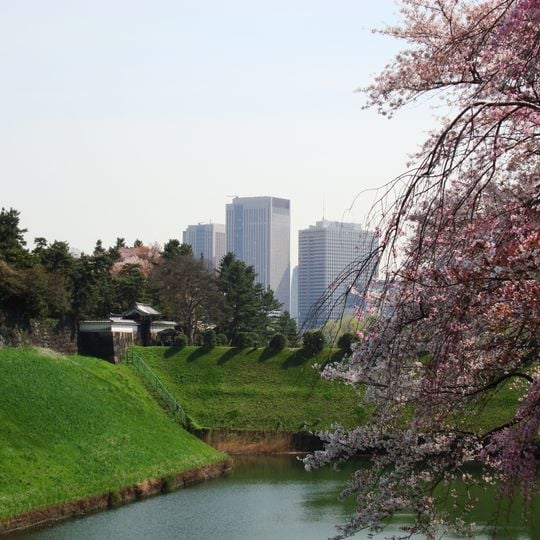
Hanzō-mon, Historic gate at Imperial Palace, Tokyo, Japan
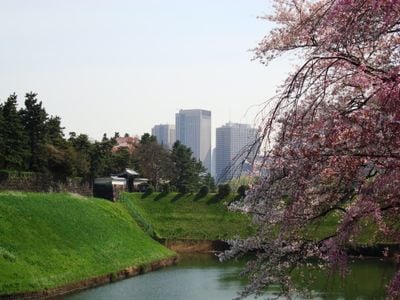
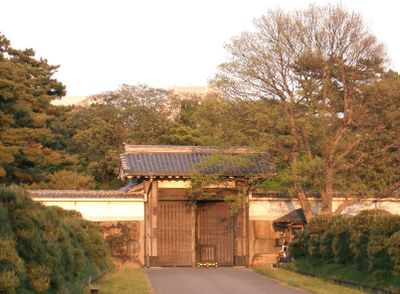
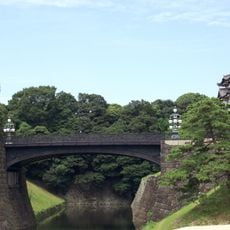
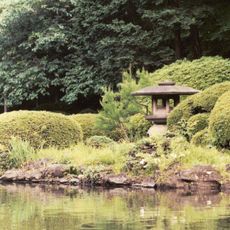
Hanzō-mon is a gate at the Imperial Palace in Tokyo with stone walls, wooden structures, and steeply pitched roofs in traditional Japanese style. The structure forms a secured entrance to the palace grounds and is surrounded by a water-filled moat.
The gate was built in 1640 during the Tokugawa shogunate period and symbolizes the power shift and stability of that ruling dynasty. In the Edo era it served as an entrance to an area where retired shoguns spent their final years.
The gate is named after a legendary samurai and ninja leader from the Edo period, reflecting the place's ties to that warrior legacy. Visitors passing by can sense this historical connection through the carefully maintained traditional design.
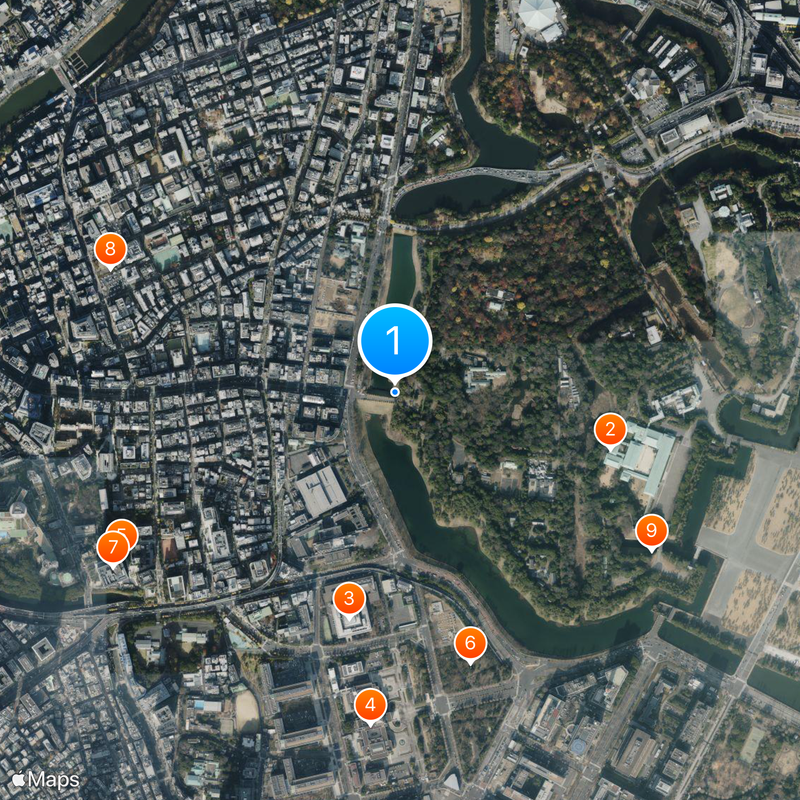
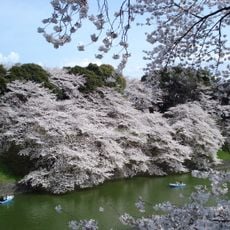
The gate can be viewed from outside, with the best photographs taken from marked areas around the water moat, especially when light conditions are favorable. Access to the gate area itself is limited and follows the opening hours of the palace grounds.
The gate remained largely unknown for centuries because it sits within a closed palace area that ordinary visitors cannot enter. Its existence and significance are now appreciated by local historians and Japan enthusiasts worldwide, even though it must be viewed from a distance.
The community of curious travelers
AroundUs brings together thousands of curated places, local tips, and hidden gems, enriched daily by 91,515 contributors worldwide.