Enable Location

We need your location to show you interesting places around you

Discover nearby places

Find interesting locations and hidden gems around you

Precise directions

Get accurate directions and distances to places

Your location is never shared with other users. It's only used when you tap the location button.

Nijūbashi

Log in to your account

Start exploring — it's free

Trusted by 61,408 travelers worldwide

Continue with Google
Continue with Apple
or

We will send you a code to connect

By continuing, you accept our Terms and Conditions and our Privacy Policy

Check your inbox

We've sent a pincode in your inbox. Please enter the code below.

Nijūbashi

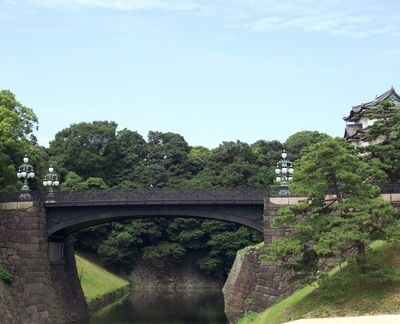
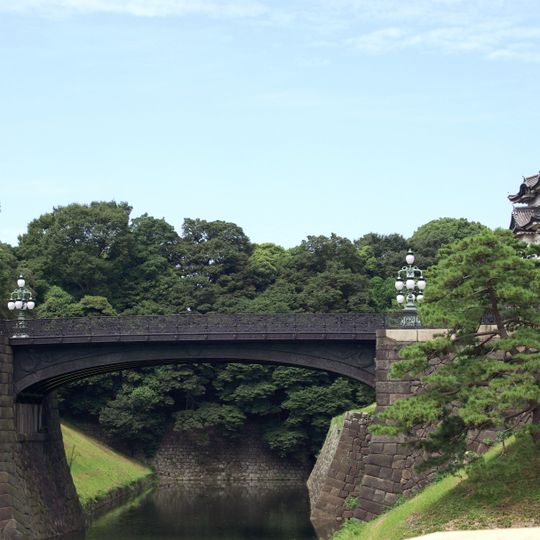
Nijūbashi, Steel bridge at Imperial Palace, Tokyo, Japan

Description

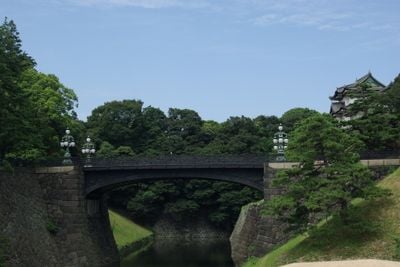
Nijūbashi consists of two consecutive structures spanning the palace moat: first a stone arch in the foreground, then an iron construction behind it that leads directly toward the inner palace grounds. The front stone section displays two elegant arches over the water, while the rear metal portion shows a flatter form and runs between tall walls.

History

The original wooden structure from 1614 served as an approach to the shogun's castle during the Edo period and was replaced in 1888 with an iron span that met the needs of the Meiji Restoration. This rebuilding formed part of broader renovations to the palace grounds after the emperor moved from Kyoto to Tokyo.

Culture

This entrance appears in countless photographs as a symbol of the capital and marks the boundary between public space and the imperial grounds. Visitors often gather near the gates to photograph its graceful form together with the surrounding gardens and walls.

Practical

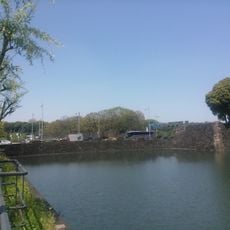
The area in front of the front section is open daily and offers clear views of both structures from the outer plaza, with the best perspective from the southern bank of the moat. On two days each year the grounds open for public tours, allowing visitors to enter the inner grounds and see the rear section up close.

Did you know?

The name actually refers to the old wooden construction, which appeared to have two levels when viewed from certain angles due to a supporting pier in the water. Today the name is often misapplied to the two separate structures, though this interpretation arose only later.

Location
Part of
100 bridges in Japan
GPS coordinates
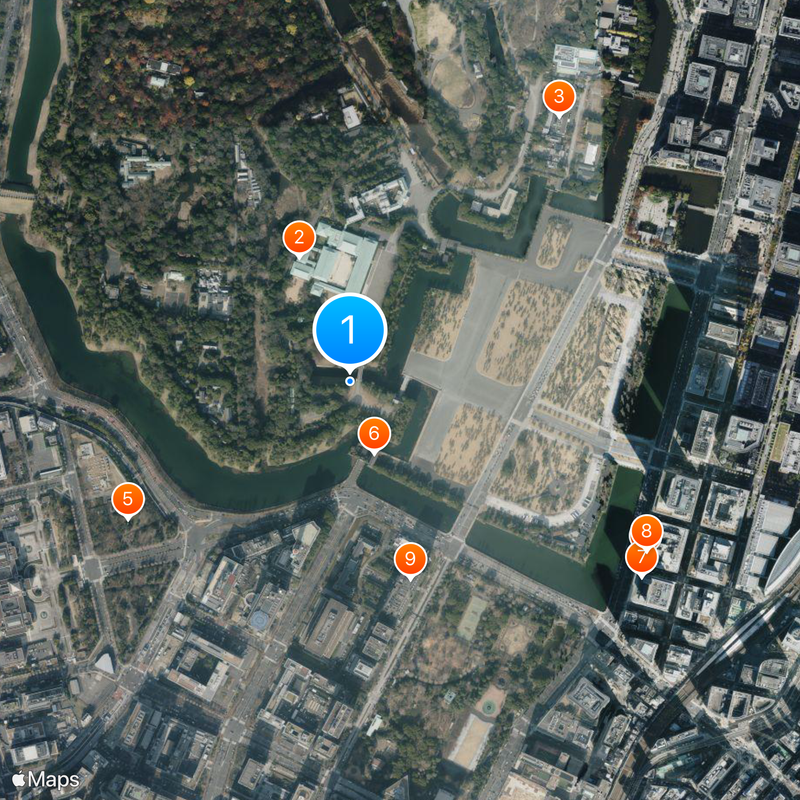
35.68000,139.75333
Latest update
December 17, 2025 08:55

AroundUs brings together thousands of curated places, local tips, and hidden gems, enriched daily by 60,000 contributors worldwide. Discover all places nearby (Chiyoda).

« Nijūbashi - Steel bridge at Imperial Palace, Tokyo, Japan » is provided by Around Us (aroundus.com). Images and texts are derived from Wikimedia project under a Creative Commons license. You are allowed to copy, distribute, and modify copies of this page, under the conditions set by the license, as long as this note is clearly visible.

Discover hidden gems everywhere you go!

From secret cafés to breathtaking viewpoints, skip the crowded tourist spots and find places that match your style. Our app makes it easy with voice search, smart filtering, route optimization, and insider tips from travelers worldwide. Download now for the complete mobile experience.

Around Us App Screenshot

A unique approach to discovering new places

Le Figaro

All the places worth exploring

France Info

A tailor-made excursion in just a few clicks

20 Minutes

Around Us
Travel Guide & Maps
Download

Send to your phone

QR Code
1

Open the camera app on your mobile.

2

Point at the QR code with your camera. A notification will appear.

3

Tap the notification to open the link.