Ōhi Shrine, Shinto shrine in Japan
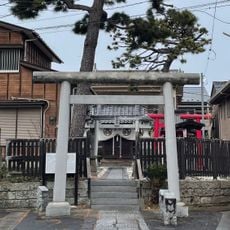
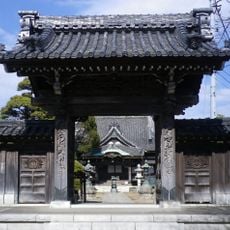
Ōhi Shrine, also called Funabashi Daijingū, stands in Miyamoto, Funabashi. Its honden, rebuilt in 1873, is in Shinmei-zukuri style with a steep thatched roof and plain wooden walls. The precinct holds several auxiliary shrines, including a boat-shaped Funatama Shrine and the Gekū, renovated in 2015 with wood from Ise Naikū.
According to shrine tradition, Ōhi Shrine was founded in the 40th year of Emperor Keikō's reign, when Yamato Takeru prayed here for rain during his eastern campaign. It first appears in the Nihon Sandai Jitsuroku, which records promotions in court rank in 863, 871 and 874, and it is listed as a minor shrine in the Engishiki. In 1138 the area became the Natsumi Mikuriya estate of Ise Shrine, and the shrine was later merged with its shinmeisha. The buildings burned in the 1868 Battle of Funabashi; the honden was rebuilt in 1873.
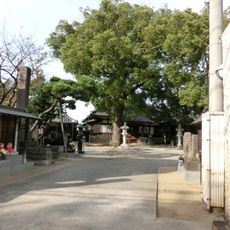
The shrine's name, Ōhi, is written 意富比 and may mean "great sun," linked to a local solar deity later merged with Amaterasu. The grounds hold several auxiliary shrines, including a boat-shaped Funatama Shrine once venerated by fishermen and sailors. On October 20, the autumn festival features amateur sumo wrestling, a tradition said to date from a 1590 match viewed by Tokugawa Ieyasu.
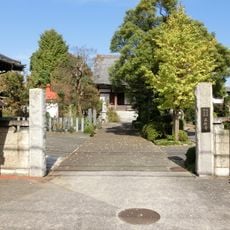
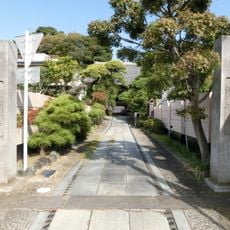
The shrine is a five-minute walk from Daijingū-shita Station on the Keisei Main Line, or about ten minutes on foot from Funabashi Station on the JR Sōbu Line. The grounds lie on a low hill in the Miyamoto district, with the haiden facing the approach from the south.
The shrine's boat-shaped Funatama Shrine reflects its origin as a guardian of the funadama, a boat spirit worshipped by fishermen and sailors of Tokyo Bay. The main deity was long a local sun god, and the name Ōhi may mean "great sun".
The community of curious travelers
AroundUs brings together thousands of curated places, local tips, and hidden gems, enriched daily by 93,246 contributors worldwide.