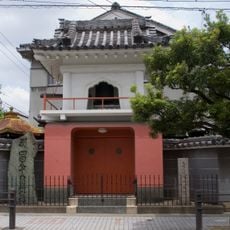
Sankō Shrine, Shinto shrine in Japan
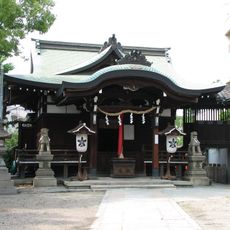
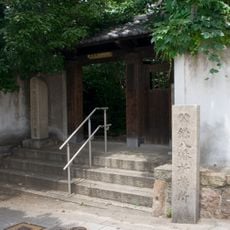
Sankō Shrine is a Shinto shrine on a hill called Mt. Sanada in Tennōji-ku, Osaka. Its grounds hold a main hall (honden), a worship hall (haiden), a statue of Sanada Yukimura, and the opening of a tunnel known as the Sanada-no Nuke-ana. It enshrines Amaterasu, Tsukuyomi, and Susanoo, and also includes a sub-shrine to Hōin.
According to shrine tradition, Sankō Shrine was founded in the 5th century during the reign of Emperor Hanzei. It was once called Himeyama Shrine, and the head priest is said to be the 86th in an unbroken lineage. In 1908 the shrine merged with the Himeyama Shrine and took the name Sankō Shrine.
The shrine's name Sankō refers to the three deities venerated here, which shapes how local devotees understand and practice their faith at this site. Visitors can observe traditional Shinto customs as people perform ritual gestures and prayers in the grounds.
The shrine is a short walk from Tamatsukuri Station on the JR Osaka Loop Line and the Nagahori Tsurumi-ryokuchi subway line, along a shopping street called Tamatsukuri Yukimura Road. The grounds sit on a hill, Mt. Sanada, and include the main hall, a worship hall, and the Sanada-no Nuke-ana tunnel opening. The Chūbu-yoke festival, held over a week in June, draws worshippers who pass through a two-metre grass ring.
The tunnel opening on the grounds, called Sanada-no Nuke-ana, is said to have linked the Sanada Maru fort to Osaka Castle. Archaeologist Yoshihiro Senda concluded it is more likely a trench dug by the attacking Maeda forces. Visits rose sharply after the 2016 NHK drama Sanada Maru.
The community of curious travelers
AroundUs brings together thousands of curated places, local tips, and hidden gems, enriched daily by 93,628 contributors worldwide.