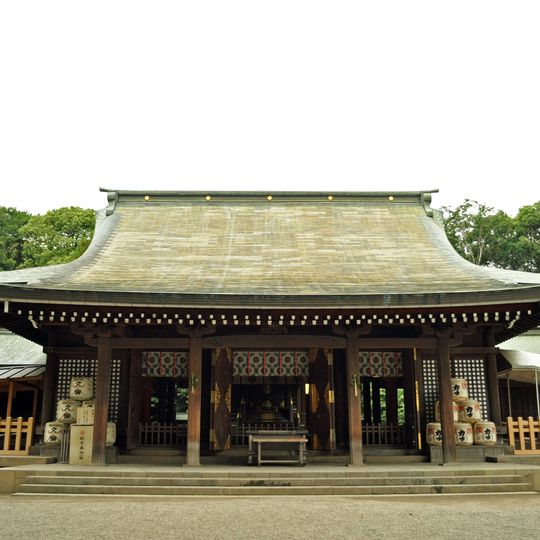
Ōmiya, Administrative district in Saitama, Japan.
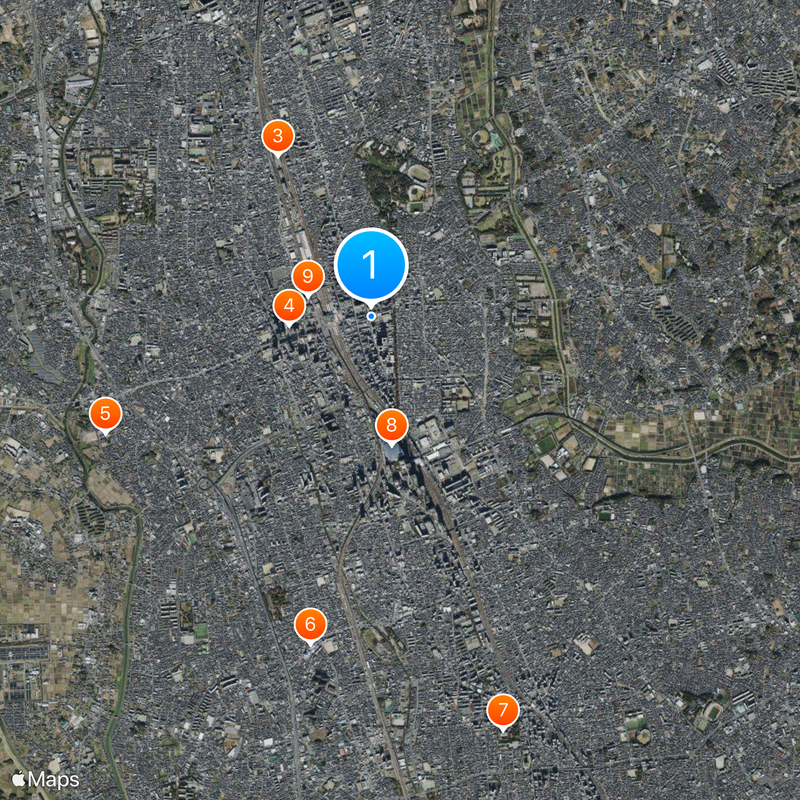
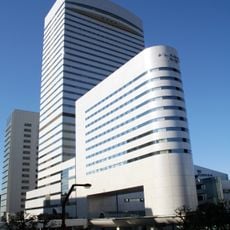
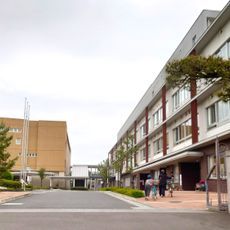
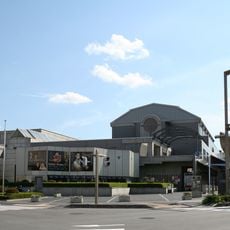
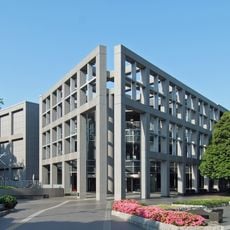
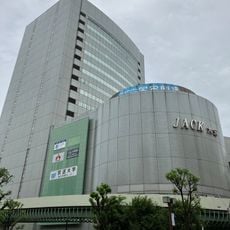
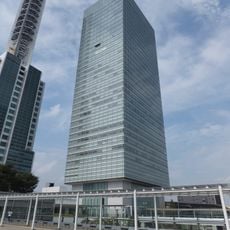
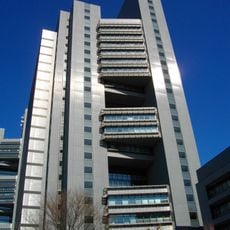
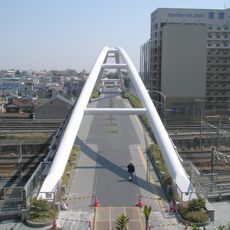
Ōmiya is a city ward in the northeastern part of Saitama City within Saitama Prefecture, covering an area of roughly 13 square kilometers (5 square miles). The ward is densely populated with residential neighborhoods clustered around Ōmiya Station, one of Japan's busiest railway junctions.
The area was established as a town in 1889 and grew through the merger of neighboring villages in 1940 to become an independent city. In 2001, Ōmiya became part of the newly created Saitama City and lost its status as an independent administrative unit.
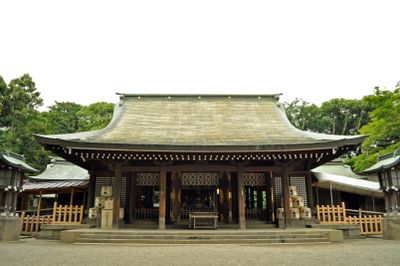
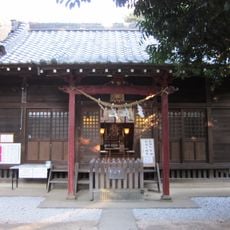
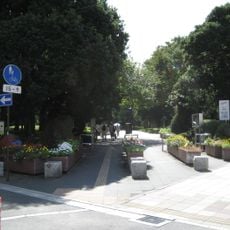
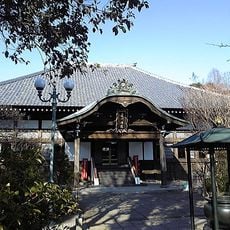
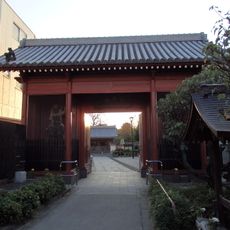
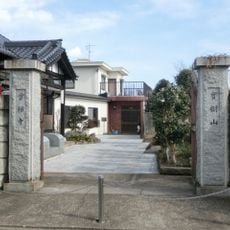
The district takes its name from Hikawa Shrine, where Ōmiya literally means great shrine and reflects the religious importance of the site. Visitors today see a modern residential area where homes, shops and railway buildings spread around this old spiritual center.
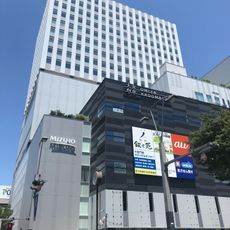
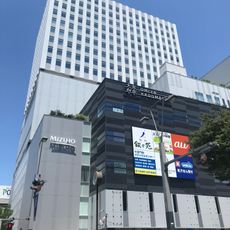
Ōmiya Station connects several northbound Shinkansen lines and serves as a key transfer point for travelers moving between Tokyo and other regions. The area around the station is easy to walk and offers many shopping and dining options.
After the great Kanto earthquake of 1923, many bonsai nurseries moved from Tokyo to this area and created a district still known for its bonsai culture today. Visitors can observe the traditional art of miniature tree cultivation in the remaining nurseries and often purchase finished trees.
The community of curious travelers
AroundUs brings together thousands of curated places, local tips, and hidden gems, enriched daily by 91,389 contributors worldwide.