Nakasatsunai, Rural village in Tokachi Subprefecture, Japan
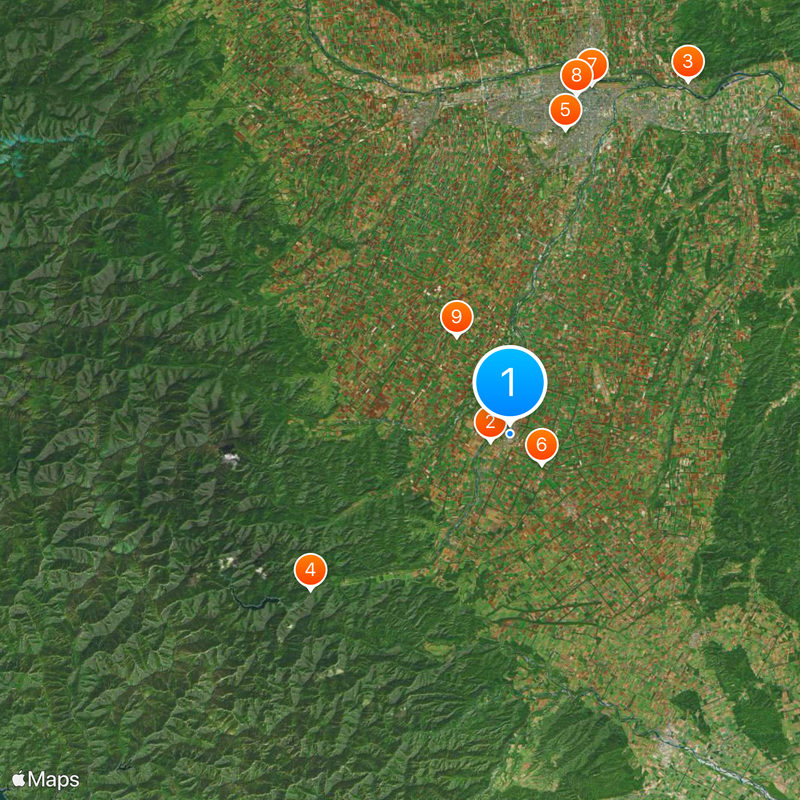
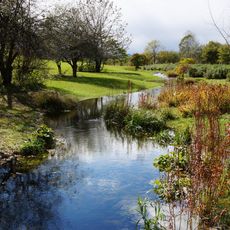
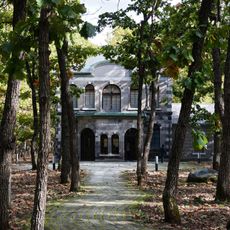
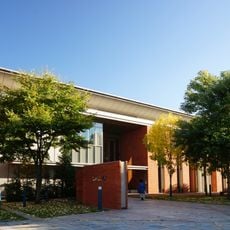
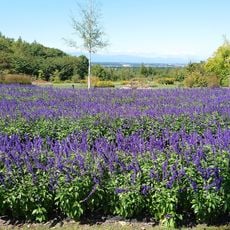
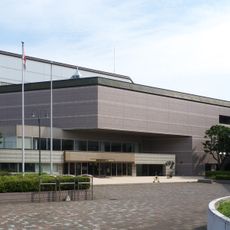
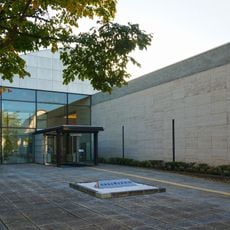
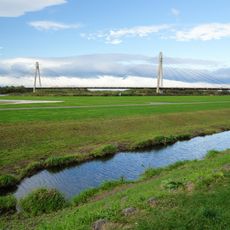
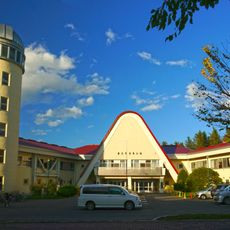
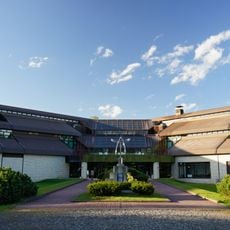
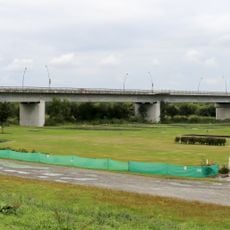
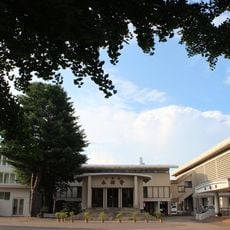
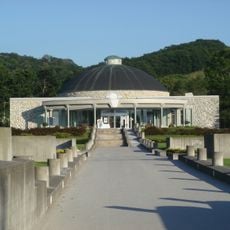
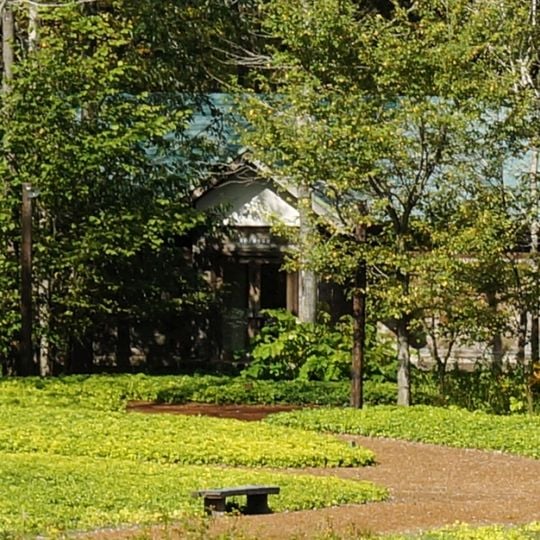
Nakasatsunai is a rural settlement in Hokkaido's Tokachi Subprefecture surrounded by agricultural fields and open farmland. The community maintains an art museum that showcases contemporary Japanese works and operates seasonally to welcome visitors.
The village was officially formed in 1947 following Japan's post-war rebuilding period, becoming an independent administrative area. This establishment reflected the broader pattern of rural development occurring across Hokkaido at that time.
The village embodies its agricultural roots through visible symbols, like the Pi-tan mascot representing local farming heritage and traditions.
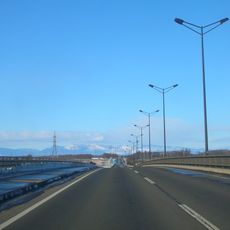
The art museum operates during late spring through mid-fall months and provides parking for visitors. A personal vehicle is recommended for getting around, as public transportation options are limited in this rural setting.
The art museum features works created with a distinctive technique that layers watercolor with precisely drawn outlines using masking methods. This particular approach has shaped the collection and offers visitors insight into a specialized artistic practice rarely seen elsewhere.
The community of curious travelers
AroundUs brings together thousands of curated places, local tips, and hidden gems, enriched daily by 92,316 contributors worldwide.