Kawahara Shrine, Shinto shrine in Japan
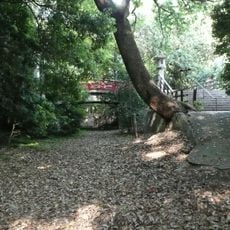
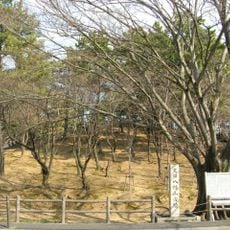
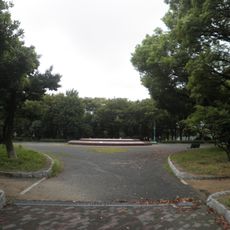
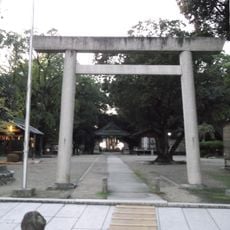
Kawahara Shrine is a Shinto shrine in Kawana-hommachi built in the Shinmei-zukuri architectural style. The structure features simple wooden construction and maintains the traditional design form that defines this building approach.
Local farmers built the shrine around 1030 CE to honour a sacred spring, its name meaning "riverbank" after farmland by the Yamazaki River. Edo-period travellers on the Minoji Road used it as a guardian deity. In 1601 Matsudaira Tadayoshi donated twenty koku of shrine land, and in 1664 Tokugawa Mitsutomo prayed here for a good harvest. The hall burned in World War II and again in 1992, and was rebuilt in 1998.
Locals more often call it "Benten of Kawana" than Kawahara Shrine, and the grounds are nicknamed "Sanpachi" because an morning market is held on every day containing a 3 or an 8. Benzaiten was worshipped here until the separation of Buddhism and Shinto moved the deity to Taihei-ji, a Sōtō temple nearby. The pond remains famous for its turtles: when repairs in 2003 required draining it, 357 turtles were found.
The shrine is about a five-minute walk from Kawana Station on the Nagoya Municipal Subway Tsurumai Line, and the Bentenmae bus stop on route 18 stands directly in front of it. The morning market held on days containing 3 and 8 draws crowds, so those dates are busiest. The grounds are entered freely and are also used for wedding ceremonies.
In 2003, when the stone wall around Benten Pond was repaired, the pond was drained and 357 turtles were found. The pond's turtles appear in the Edo-period Owari Meisho Zue, and local custom holds that a turtle straying into a house is given sake before being returned to the water.
The community of curious travelers
AroundUs brings together thousands of curated places, local tips, and hidden gems, enriched daily by 93,613 contributors worldwide.