Lake Kuttara, Volcanic caldera lake in Shiraoi, Hokkaido, Japan
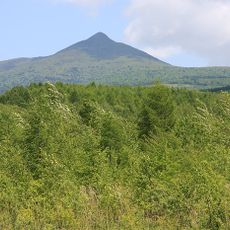
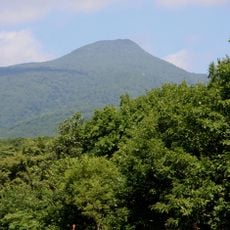
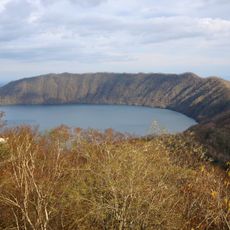
Lake Kuttara is a nearly circular caldera lake in Shiraoi, Hokkaidō, about 8 km around and roughly 2 km east of Noboribetsu Onsen. Its rim is formed by a ring of outer mountains around 500 m high, topped by Kyūtarō-yama at 534 m. No river flows in or out; the deep blue water lies in the basin, with forested slopes rising behind it.
The crater formed from volcanic activity long ago, creating the circular basin visible today. Salmon were introduced to the water in 1909, bringing a new species to the isolated ecosystem.
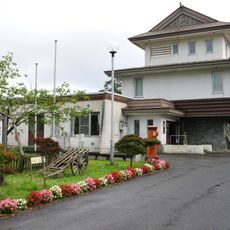
The name comes from the Ainu word "Kuttarushito", meaning the lake of Kuttarushi, a place name for present-day Kotanbetsu that refers to a spot where Japanese knotweed grows in clusters. The lake lies within Shikotsu-Toya National Park and is part of the active volcano Kuttara. A rest house along the lakeside road, open only during the fishing season, rents boats for fishing for himemasu (sockeye salmon).
Access is by road only: from Noboribetsu East IC, take Hokkaido routes 2 and 350 for about 8 km. There is no road around the lake, and development is restricted because it lies in a special zone of the national park. A rest house by the road, open only during the fishing season, rents boats for himemasu fishing, usually from early May for about three months.
The lake has no inflowing or outflowing rivers; water seeps out through the lakebed as groundwater at an estimated 0.44 m³ per second. Its surface level shifts only 1 to 2 m over a year, and in winter the whole surface can freeze until mid-to-late March.
The community of curious travelers
AroundUs brings together thousands of curated places, local tips, and hidden gems, enriched daily by 93,231 contributors worldwide.