Gongsanseong, Mountain fortress in Gongju, South Korea
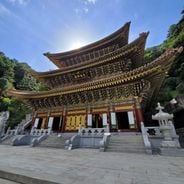
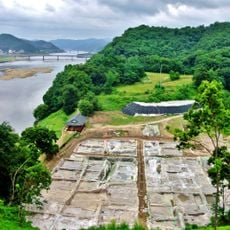
Gongsanseong is a mountain fortress in Gongju featuring stone and earthen walls positioned along elevated terrain. The site contains watchtowers and multiple defensive gates distributed across its perimeter to control access and monitor the surrounding area.
Gongsanseong was built when King Munju moved the Baekje capital from Hanseong to Ungjin (today's Gongju) in 475, after Hanseong fell. It served as the royal capital's defence until King Seong moved the seat to Sabi in 538. Silla, Goryeo and Joseon later used it as an administrative and military stronghold.
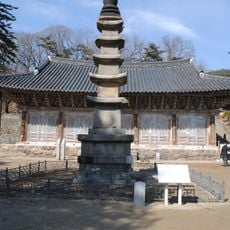
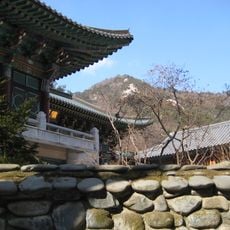
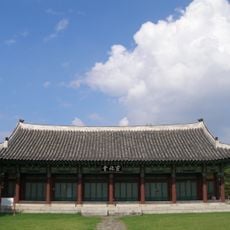
The name Gongsan likely derives from Gomgolsan, "bear mountain", linked to Gongju's old name Ungjin (bear ferry); the later story that the ridge resembles the character for "noble man" is considered a folk explanation. Inside the walls stand Yeongeunsa, founded in 1458, where monks trained during the Imjin War, and Ssangsujeong, the pavilion where King Injo stayed seven days during Yi Gwal's revolt. At the Geumseoru entrance, 47 steles gathered from around Gongju praise the virtues of past officials.
The site provides informational panels in multiple languages and marked pathways that allow visitors to explore the grounds easily. Guided tours are available to explain the significance of different areas and how the defensive structures functioned.
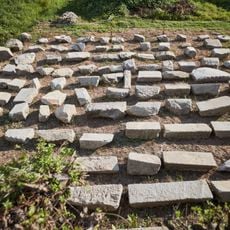
The fortress walls run 2,660 m in a perimeter-following layout: about 735 m are Baekje-era earthen ramparts and about 1,925 m are Silla-era stone walls, later largely rebuilt in stone during the Joseon period. Visitors can still trace both building phases along the ridge.
The community of curious travelers
AroundUs brings together thousands of curated places, local tips, and hidden gems, enriched daily by 93,557 contributors worldwide.