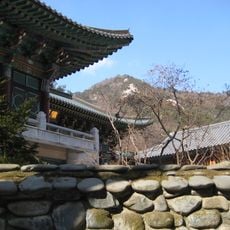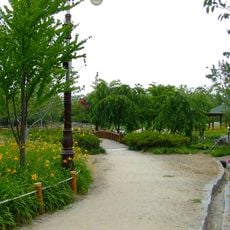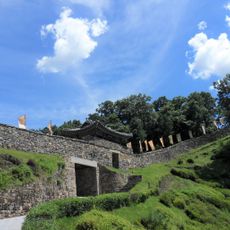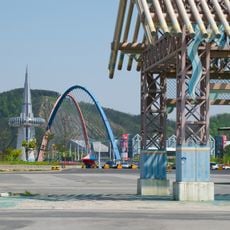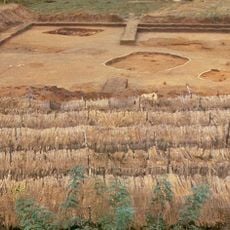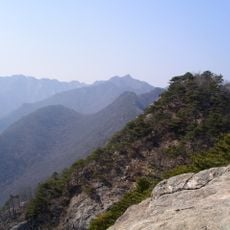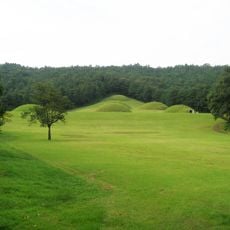
Baekje Historic Areas, UNESCO World Heritage Site in Gongju, Buyeo, and Iksan, South Korea.
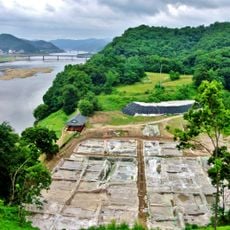
The Baekje Historic Areas consist of eight archaeological sites across the southwestern Korean cities of Gongju, Buyeo, and Iksan, covering fortresses, temple ruins, and royal tombs. Each site belongs to a different phase of the Baekje kingdom and preserves remains that range from fortress walls and pagoda fragments to underground burial chambers.
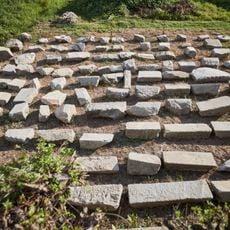
The Baekje kingdom was founded in the 3rd century BCE and used these locations as political and religious centers for over 600 years until it fell in the mid-7th century CE. After the kingdom's defeat, many structures were destroyed or abandoned, which explains why much of what survives today appears as foundations, mounds, or scattered stone fragments.
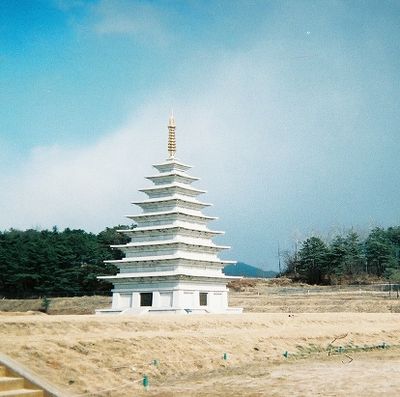
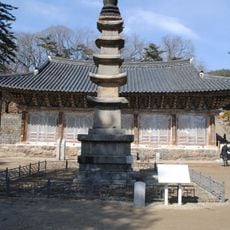
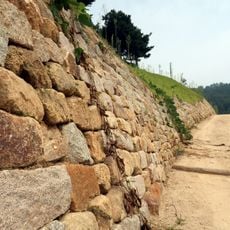
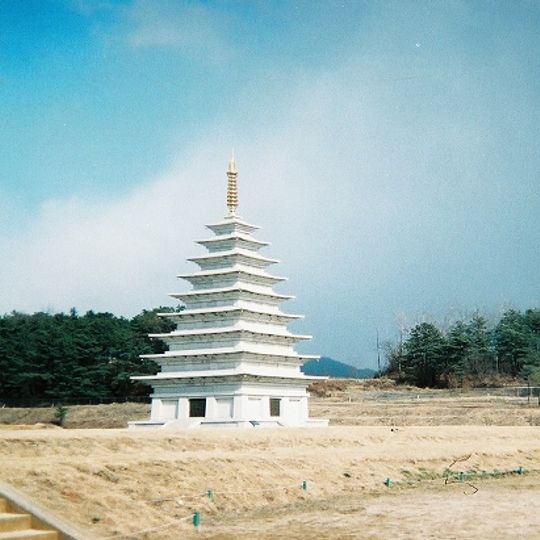
The stone pagodas and fortress walls show how builders from this ancient kingdom combined ideas from China and Japan with local Korean methods, something visitors can see directly in the stonework today. In Buyeo, the layout of the temple grounds and palace gardens still reflects how these spaces were used for both ceremony and daily administration.
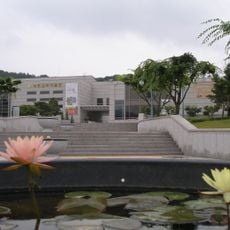
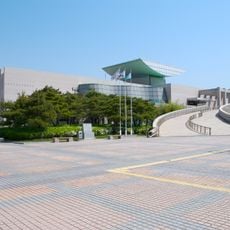
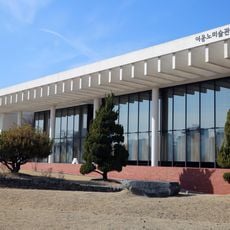
Because the sites are spread across three cities, it is worth splitting the visit over more than one day and starting early to make the most of daylight. Each city has a visitor center or museum near the sites that gives context to what you see on the ground.
The tomb of King Muryeong in Gongju was discovered in 1971 by accident during repair work on nearby burial mounds, and it was still completely sealed. This made it one of the few royal Baekje tombs ever found intact, and the inscribed stone tablets inside confirmed the king's identity with no room for doubt.
The community of curious travelers
AroundUs brings together thousands of curated places, local tips, and hidden gems, enriched daily by 60,000 contributors worldwide.