Гробница Кванхэ-гуна, Royal burial tomb in Namyangju, South Korea
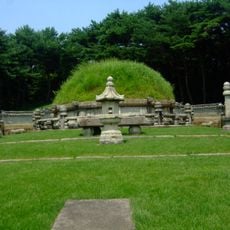
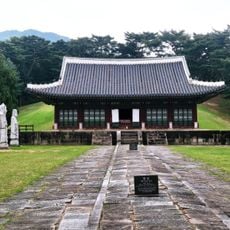
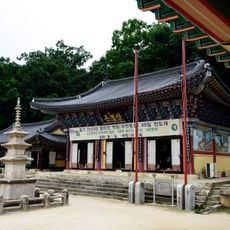
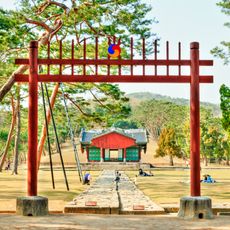
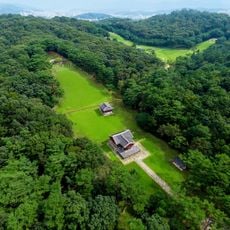
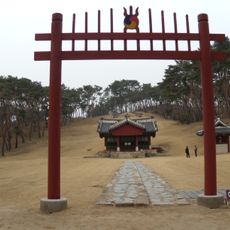
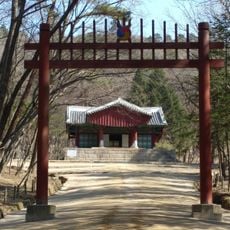
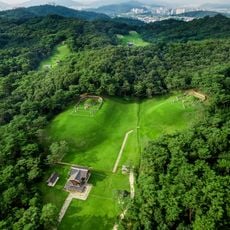
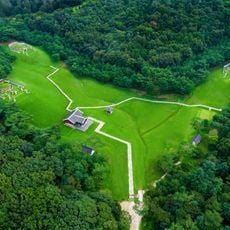
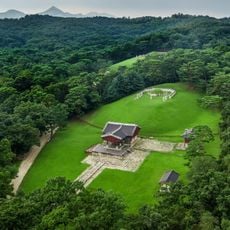
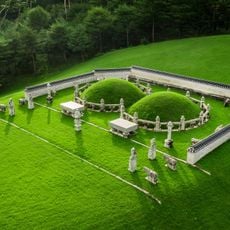
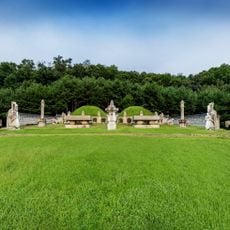
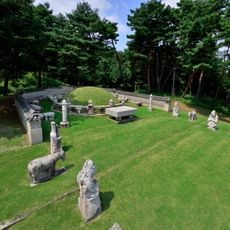
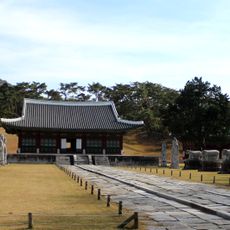
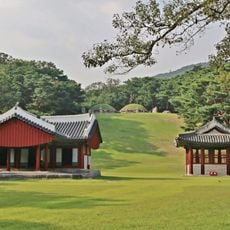
Gwanghaegun's tomb is a burial site in Namyangju featuring traditional stone sculptures and ceremonial structures arranged according to Joseon dynasty architectural principles. The complex includes various elements such as offering altars, access pathways, and a burial chamber in a characteristic layout.
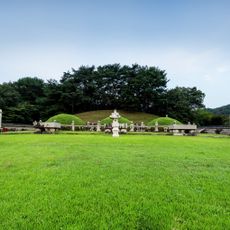
Gwanghaegun, son of King Seonjo and concubine Gongbin Kim, took the throne in 1608. After the Injo Restoration deposed him, he was exiled to Ganghwa and Jeju, where he died in 1641 and was first buried. In 1643, the 21st year of Injo's reign, his remains were moved to this double-mound tomb in Saneung-ri, Jingeon-eup, beside his wife Lady Yu, who died in 1623 and was first buried at Yangju.
The tomb displays traditional Korean burial elements including stone figures and curved walls that reflect royal status. These features allow visitors to understand the religious and social conventions practiced during the Joseon era.
The tomb is normally closed and can only be visited on the day of the Gwanghaegun memorial rite; check the schedule with the Gwanghaegun Memorial Society. At other times, entry is not allowed, and visitors must inquire in advance with the Royal Palaces and Tombs Center or the Eastern District Office of the Cultural Heritage Administration. Unauthorized entry into restricted areas is subject to fines or up to two years in prison under the Cultural Heritage Protection Act.
Unlike other Joseon dynasty kings, this site received a less official status as a ceremonial location. This makes it an interesting place to understand how political disgrace also influenced the architectural treatment of royal tombs.
The community of curious travelers
AroundUs brings together thousands of curated places, local tips, and hidden gems, enriched daily by 93,649 contributors worldwide.