Collection of prehistory of the Amsa Prehistoric Museum, Neolithic archaeological site in Amsa-dong, South Korea
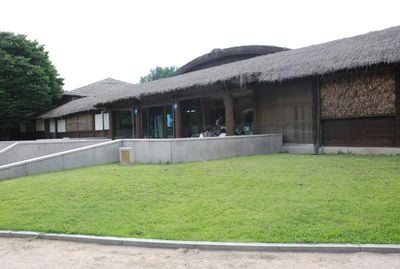
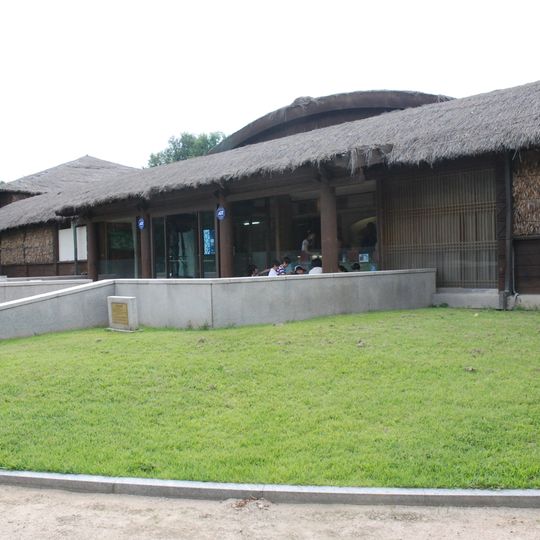
The Collection of prehistory of the Amsa Prehistoric Museum is an archaeological site in Amsa-dong, Seoul, built around a Neolithic settlement where excavations uncovered Stone Age dwelling remains. The collection presents stone tools, pottery fragments, fishing equipment, and household items found during the digs.
The site was first discovered in 1925 during a flood and then systematically excavated between 1967 and 1975. Those digs revealed thirty pit houses from different periods, showing how settlement patterns shifted over thousands of years.
The displays show how people lived along the Han River, fishing and gathering plants as part of their daily routine. Authentic tools and household items reveal how these early settlers organized their everyday lives.
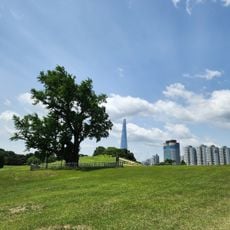
The site and museum are easy to navigate, with open space to walk around and view the exhibits at your own pace. Taking time to read the information panels carefully will help you understand the Stone Age way of life presented here.
Among the finds are carbonized acorns that show exactly which plants people gathered and ate at the site. Together with preserved fishing net weights, they give a direct picture of what was on the menu for this early community.
The community of curious travelers
AroundUs brings together thousands of curated places, local tips, and hidden gems, enriched daily by 92,828 contributors worldwide.