Gwangneung, Royal tomb in Namyangju, South Korea
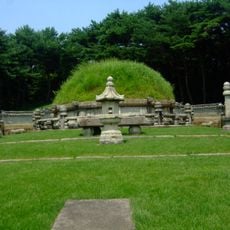
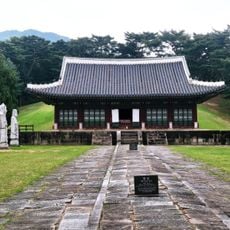
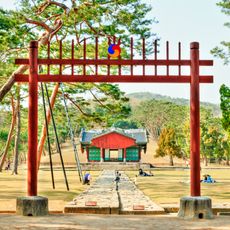
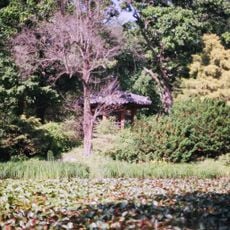
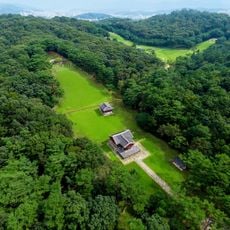
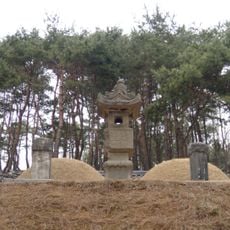
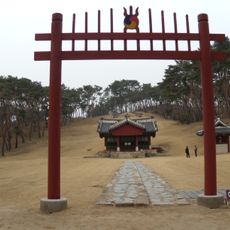
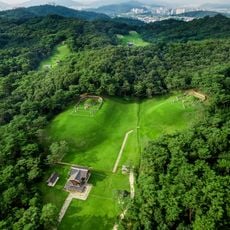
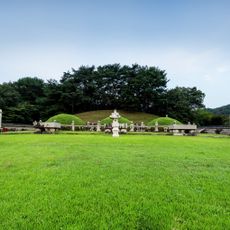
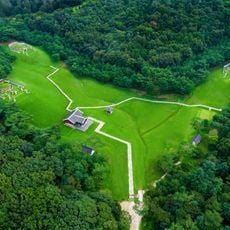
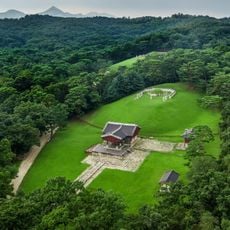
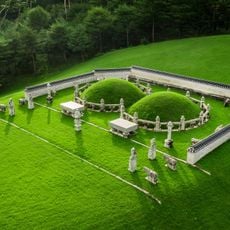
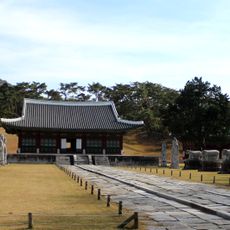
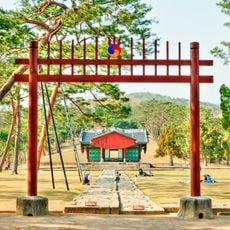
Gwangneung is the tomb of King Sejo and Queen Jeonghui in Namyangju, Gyeonggi Province. Two grass-covered mounds lie on separate hills and are linked by a single T-shaped shrine. Sejo's tomb has a lime-packed chamber instead of a stone room, no screen stones, and the twelve zodiac figures carved on the balustrade posts.
Sejo died in 1468 and was buried at Gwangneung; Queen Jeonghui, who died in 1483, was interred on a separate mound. Following the king's wish, the tomb chamber was sealed with lime instead of stone and the stone screen was omitted. This first use of the two-mound, one-shrine layout changed Joseon royal tomb design.
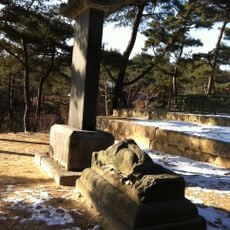
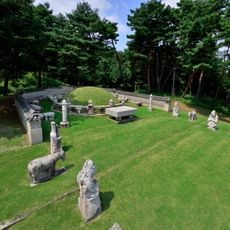
The tomb displays traditional Korean burial customs through stone statues, memorial tablets, and architectural features that follow Confucian principles. These elements reveal how the royal family expressed respect and reverence for the deceased.
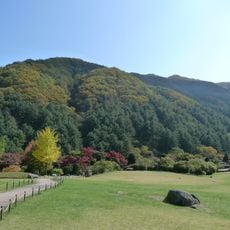
Gwangneung lies in Bupyeong-ri, Jinjeop-eup, Namyangju, Gyeonggi Province, and is reached by local bus or taxi from Namyangju; the sources give no guided-tour programme, so check locally before setting out. The two mounds stand on separate hills tied by a single T-shaped shrine, so allow time to walk between them. The site is a designated historic site (No. 197) and part of a UNESCO World Heritage Site.
Gwangneung is the only Joseon royal tomb where the twelve zodiac figures are carved on the pillars of the stone railing instead of a screen stone, since King Sejo forbade both the stone chamber and the folding screen. Later tombs marked the railing with characters and eventually carved all 24 directions.
The community of curious travelers
AroundUs brings together thousands of curated places, local tips, and hidden gems, enriched daily by 93,516 contributors worldwide.