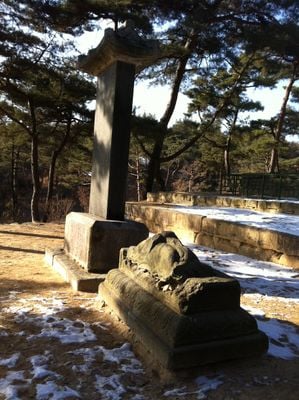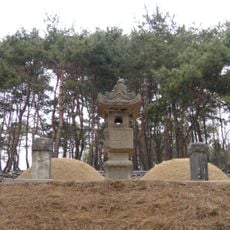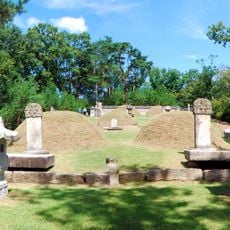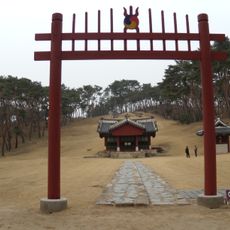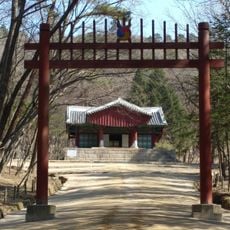
Hoeamsa, Buddhist temple site in Yangju, South Korea.
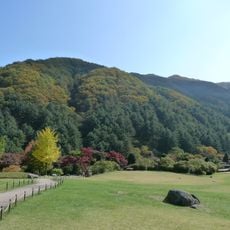
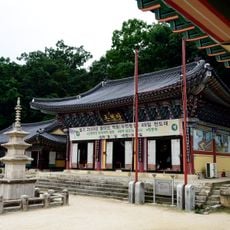
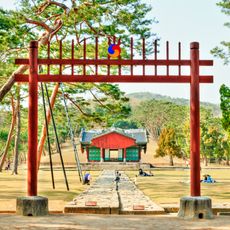
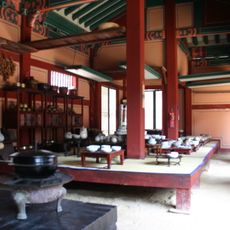
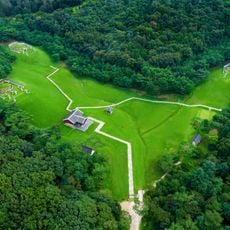
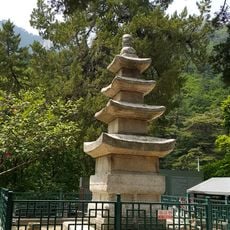
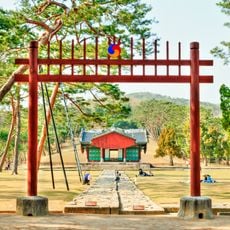
Hoeamsa is a Buddhist temple site in Yangju with preserved structures and stone elements spread across the grounds from different periods. The place displays traditional Korean building methods through stupas, stonework, and foundations that archaeologists have uncovered and documented.
An Indian monk founded the temple in 1328 under King Chungsuk, and it grew to become one of the largest in the country during early Joseon times. Royal queens later invested heavily in expansions and granted the place special privileges.
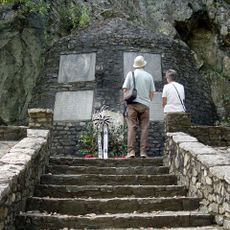
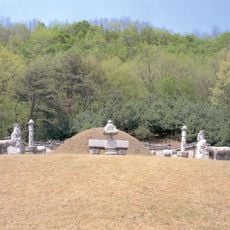
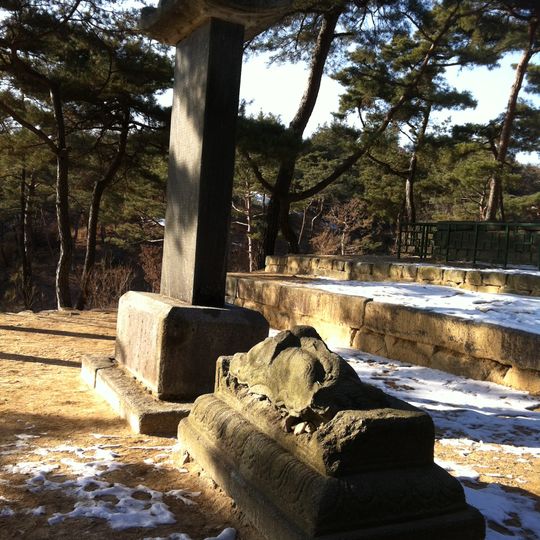
The site holds stupas, stone lanterns, and flagpole posts that show how Buddhists designed and decorated buildings during the Goryeo and Joseon periods. Visitors can see today how these stone elements sit embedded in the temple grounds and shape the landscape.
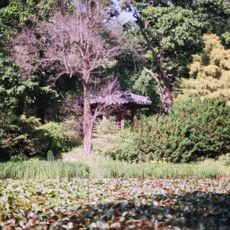
The grounds have marked paths and explanatory signs that help visitors understand the structures and their meaning. Good footwear is helpful since the ground can be uneven and paths wind through the archaeological site.
Queens from the ruling dynasty played a special role in the survival and growth of the place over many generations. Their personal investments in expansions made it one of the most notable temples in the country.
The community of curious travelers
AroundUs brings together thousands of curated places, local tips, and hidden gems, enriched daily by 91,315 contributors worldwide.