Yeonsangunmyo, Royal burial plot in Dobong District, South Korea
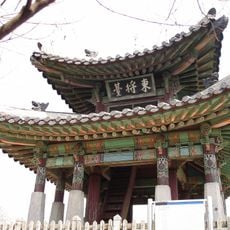
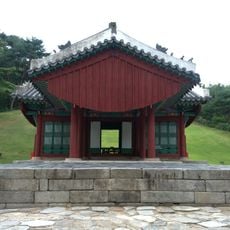
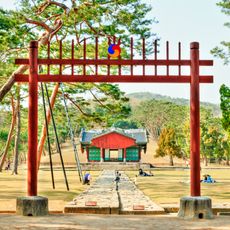
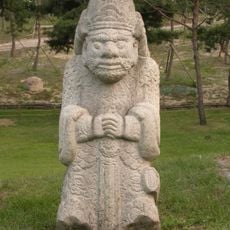
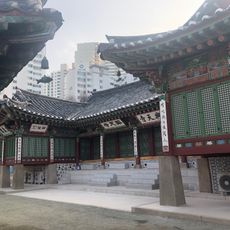
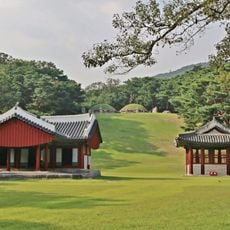
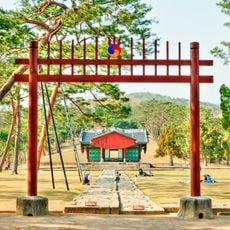
Yeonsangunmyo is a royal burial site in Dobong featuring stone statues, ceremonial gates, and ritual pathways that lead to the king's resting place. The layout displays typical Joseon tomb architecture with carefully arranged stonework throughout.
Yeonsangun, deposed in 1506 and exiled to Gyodong Island, died there at 31 and was buried on the island. In December 1512 his widow, Lady Shin of Geochang, petitioned King Jungjong to move the tomb to Wondang-ri, Yangju, where their daughter and son-in-law lay. The reburial took place in 1513 with rites for a prince, and Yangju officials managed the memorial rites.
The tomb is called a myo, not a neung, because Yeonsangun was demoted from king to gun after the 1506 coup. His wife, Lady Shin of Geochang, petitioned in December 1512 to move the grave from Ganghwa to its current site, and it was reburied in 1513 with the rites of a royal prince. The tombstone reads "Tomb of Yeonsangun" on the front and "Buried on the 20th day of the second month of the eighth year of Zhengde" on the back.
Yeonsangunmyo is in Banghak-dong, Dobong District, Seoul, and is open free of charge every day except Monday, from 9 a.m. to 6 p.m. (9 a.m. to 5 p.m. in winter). A caretaker's office is on site. The graves of Jeongui Princess, Lady Uijeonggung and Princess Huisun stand nearby.
Yeonsangun was stripped of royal status and buried on Ganghwa's Gyodong Island after his 1506 deposition; his widow Lady Shin petitioned in December 1512 to move him to the family graves at Wondang-ri, and the reburial took place in 1513. Because he was demoted to gun rank, the tomb is a myo, not a royal neung, and is excluded from the UNESCO Joseon royal tombs.
The community of curious travelers
AroundUs brings together thousands of curated places, local tips, and hidden gems, enriched daily by 93,473 contributors worldwide.