Dobong District, Residential district in northern Seoul, South Korea.
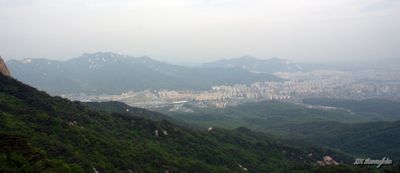
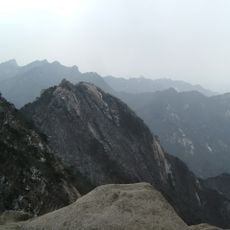
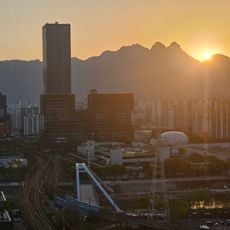
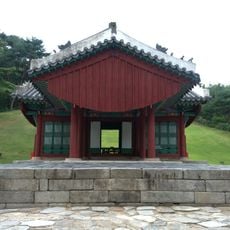
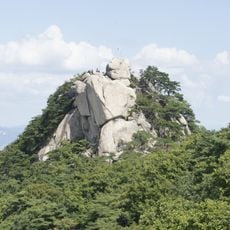
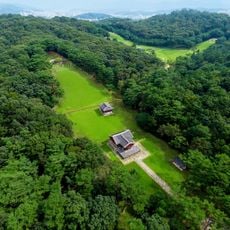
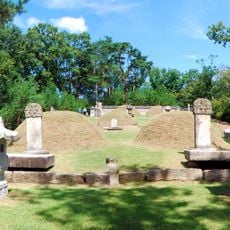
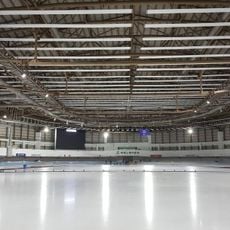
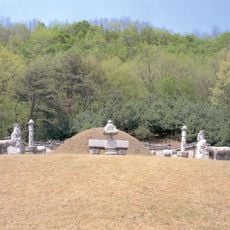
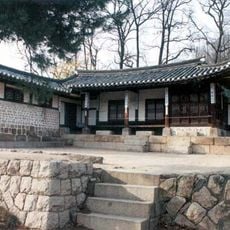
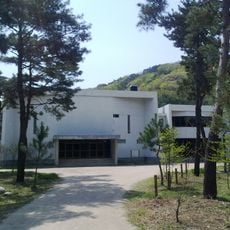
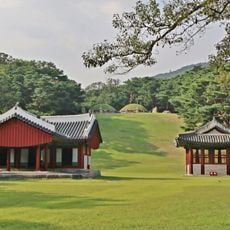
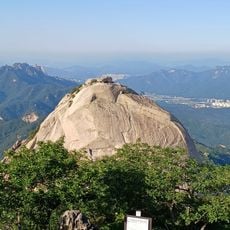
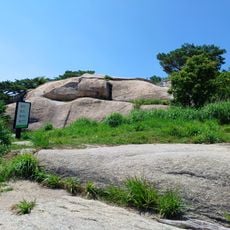
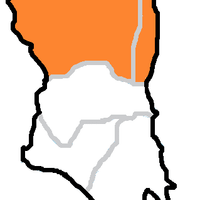
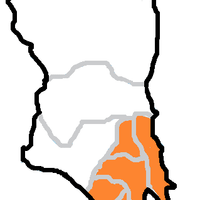
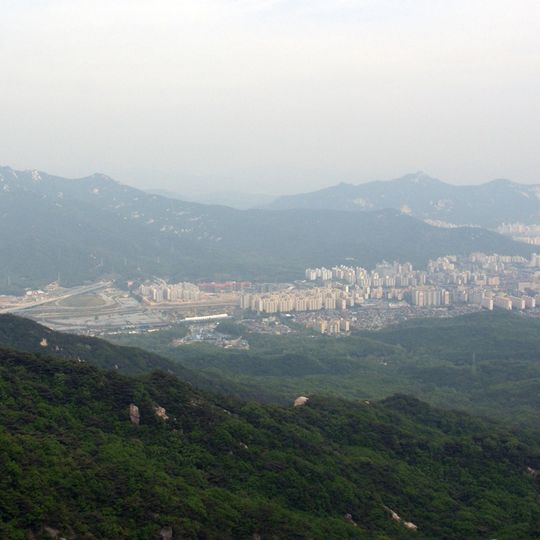
Dobong District is a residential area in northern Seoul comprising four neighborhoods spread across about 21 square kilometers. The landscape is shaped by Dobong Mountain and the proximity to Bukhansan National Park, giving the region a natural character.
The district was established in 1973 when authorities separated 22 administrative zones from Seongbuk to create a new entity. This division reflected administrative reorganization during the period of Seoul's urban expansion.
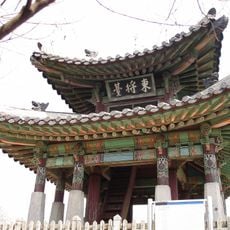
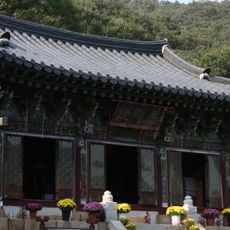
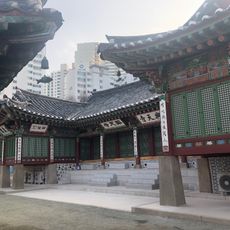
Buddhist temples like Cheonchuksa and Wontongsa are scattered throughout the area and play a role in local life. Visitors encounter these spaces as integral parts of the neighborhood's identity and character.
The district has multiple subway stations on Lines 1 and 4 that provide straightforward connections to the rest of Seoul. These links make it easy for visitors and residents to reach the city center and other neighborhoods.
The district holds the largest concentration of sock manufacturing facilities in South Korea, many housed in basement spaces beneath residential buildings. This hidden industry reveals how small-scale production and residential life coexist in the neighborhood.
The community of curious travelers
AroundUs brings together thousands of curated places, local tips, and hidden gems, enriched daily by 92,154 contributors worldwide.