Heung-guksa temple at Goyang, Korea, Buddhist temple in Goyang, South Korea
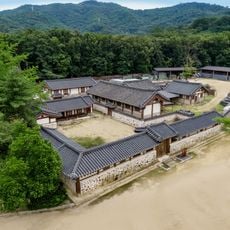
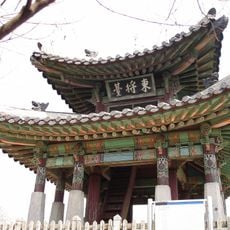
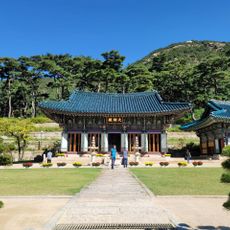
Heung-guksa is a Buddhist temple in Goyang featuring a main hall called Yaksajeon with traditional Korean architectural style. The buildings display wooden structures and decorative elements characteristic of this type of religious site.
The temple was founded approximately 1,300 years ago, making it one of the oldest religious sites in the region. A Joseon dynasty ruler bestowed an inscribed plaque on it, recognizing its importance to the kingdom.
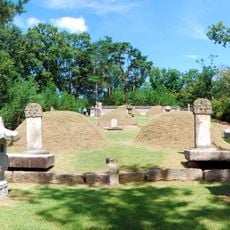
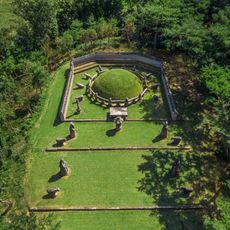
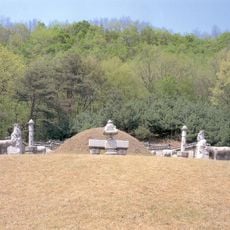
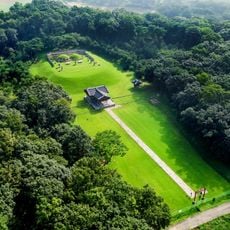
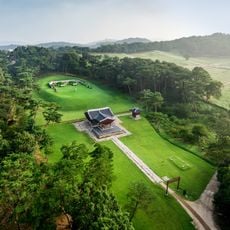
The temple's name, Heungguksa (興國寺), means "prospering the country"; Wonhyo gave the original hermitage the name Heungseongam (興聖庵) because he enshrined a Medicine Buddha there and read the auspicious energy as a sign many sages would come from the place. King Yeongjo stayed overnight, composed a poem that was made into a plaque, and made the temple the memorial shrine (wondang) of his mother, Sukbin Choe, whose grave at Sonyeongwon he passed on the way. The Yaksajeon holds a Yaksa-hubul-taenghwa painted in the 16th year of King Jeongjo's reign.
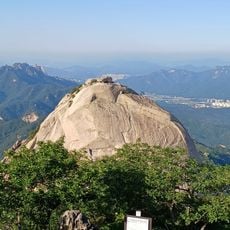
The temple sits at the Bukhansan National Park entrance on the Hanmi Mountain slope, and Hanmi Mountain is a military protection zone with restricted access, so visitors stay within the temple grounds. The complex is small and walkable on foot. The Yaksajeon hall holds the Yaksa-yeorae statue and the 1784 Yaksa-hubul-taenghwa painting.
The Yaksajeon hall underwent major restoration work in the 1860s conducted by an influential Buddhist monk. These efforts preserved important architectural details and artwork for future generations to experience.
The community of curious travelers
AroundUs brings together thousands of curated places, local tips, and hidden gems, enriched daily by 94,052 contributors worldwide.