Getbol, Korean Tidal Flats, Protected tidal flats in southwestern South Korea
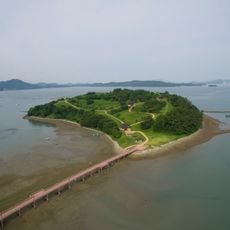
Getbol, the Korean tidal flats, comprises four UNESCO-listed sites: Seocheon Getbol (estuarine type), Gochang Getbol (open embayed type), Shinan Getbol (archipelago type, the largest at 1,100 km²), and Boseong-Suncheon Getbol (semi-enclosed type). Three lie on the western coast and one on the southern coast. The flats formed after the Last Glacial Maximum from river sediments reworked by tides, waves and wind.
These tidal flats formed over thousands of years as rivers, waves, and winds gradually deposited and layered sediments along the coast. The process continued after the climate stabilized following the last ice age, slowly shaping the landscape we see today.
Local fishermen work here using time-honored techniques, such as harvesting cockles or catching mud octopuses by hand, methods that require deep knowledge of tidal rhythms. These practices remain part of daily coastal life and show how people have sustained themselves in this landscape for generations.
Access is controlled through designated entry points and governed by protection regulations to safeguard the sensitive environment. Guided tours are available and offer good opportunities for bird watching and learning about the ecological features of the site.
The getbols lie on the East Asian–Australasian Flyway, and 22 IUCN Red List species have been recorded there as visitors, among them the critically endangered spoon-billed sandpiper. The protected areas also hold 375 species of benthic diatoms and 47 endemic marine invertebrate species.
The community of curious travelers
AroundUs brings together thousands of curated places, local tips, and hidden gems, enriched daily by 93,600 contributors worldwide.