Batticaloa Fort, Portuguese colonial fort in Batticaloa, Sri Lanka.
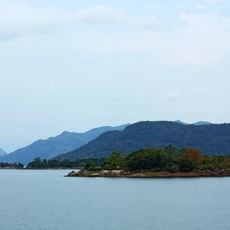
Batticaloa Fort is a stone fortress located on an island surrounded by Batticaloa Lagoon on two sides and protective canals on the others. The structure features four defensive bastions with walls built from granite and coral materials.
Portuguese colonists built the fort in 1628, which the Dutch captured in 1638 before the British took control starting in 1795. These transitions shaped the structure and architecture visible today.
The fort's name appears in Tamil as Maṭṭakkaḷappuk Kōṭṭai and in Sinhala as Madakalapuwa Balakotuwa. The Dutch rebuilt it from 1665 on the site of the Portuguese structure, finishing the front bastion and complex in 1707. By the mid-18th century it had no garrison because of high upkeep costs and its inconvenient position, and in 1772 it passed to the British without resistance.
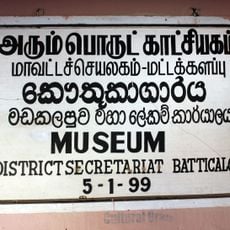
The fort is a working site: Sri Lankan government administrative departments occupy new buildings inside the old structure. The lagoon and canal enclose it on all four sides, so access is by land across the canal. The 2004 tsunami damaged the structure and its surrounding defences.
Some walls were constructed using coral stones quarried directly from the surrounding lagoon. This building method was practical and made efficient use of available local materials.
The community of curious travelers
AroundUs brings together thousands of curated places, local tips, and hidden gems, enriched daily by 93,467 contributors worldwide.