Kaunas, Second largest city in Lithuania
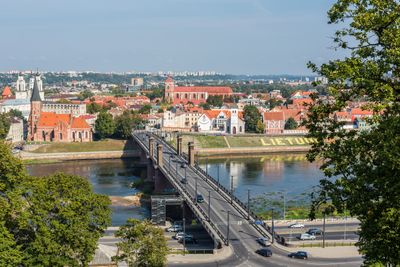
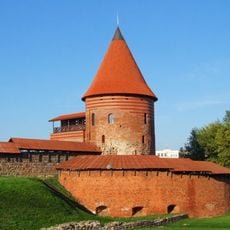
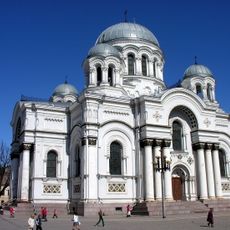
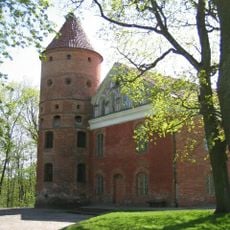
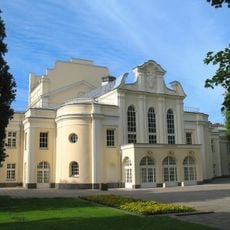
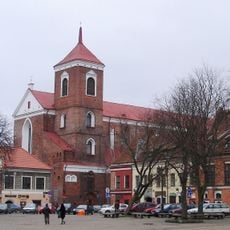
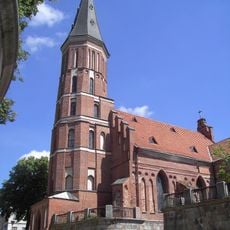
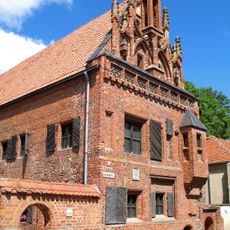
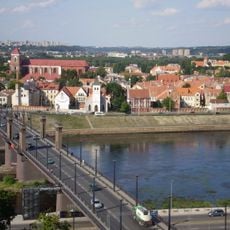
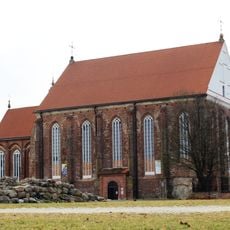
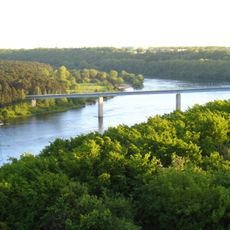
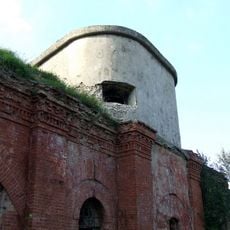
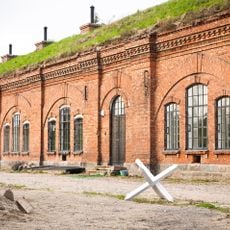
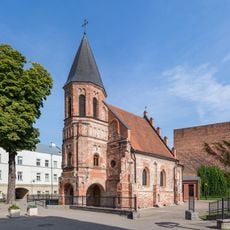
This place is the second-largest city in Lithuania and sits in the center of the country at the meeting point of two rivers. The built environment ranges from Gothic brick houses and a castle from the fourteenth century to functionalist residential districts and public buildings from the 1920s.
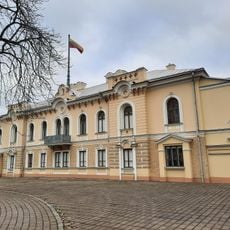
The city received its municipal charter in 1408 and joined the Hanseatic League in 1441, which turned it into an important trading hub. After the First World War, it served as the temporary capital of Lithuania from 1919 to 1939.
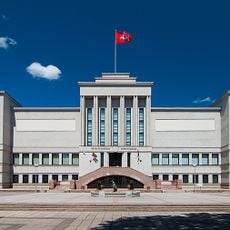
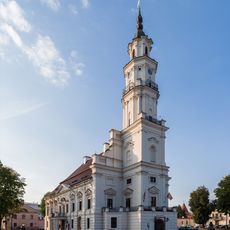
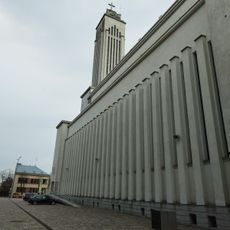
The name derives from the Lithuanian word for hawk, and the old town still shows the narrow streets and merchant houses from its time as a trading center. Visitors also see many examples of interwar architecture, when this place served as the provisional capital for two decades.
An international airport connects the city to several European destinations, and regular bus and train services run to Vilnius and other parts of the country. The old town and modernist districts are easy to explore on foot, and many spots lie along the two riverbanks.
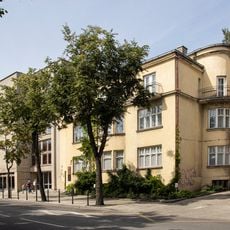
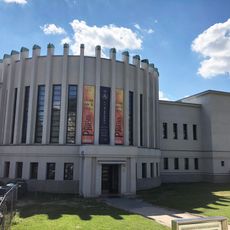
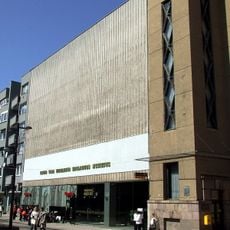
The city houses a museum with over three thousand devil figurines from different cultures, located in a timber house from the interwar period. One of the main thoroughfares was lined with functionalist buildings in the 1930s, forming what is now the most cohesive modernist ensemble in Europe.
The community of curious travelers
AroundUs brings together thousands of curated places, local tips, and hidden gems, enriched daily by 90,887 contributors worldwide.