Libyan Desert, Desert region in northeastern Sahara, Egypt and Libya
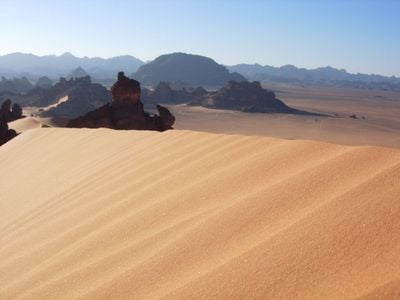
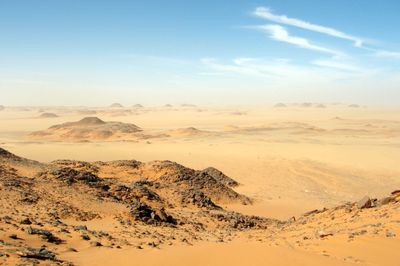
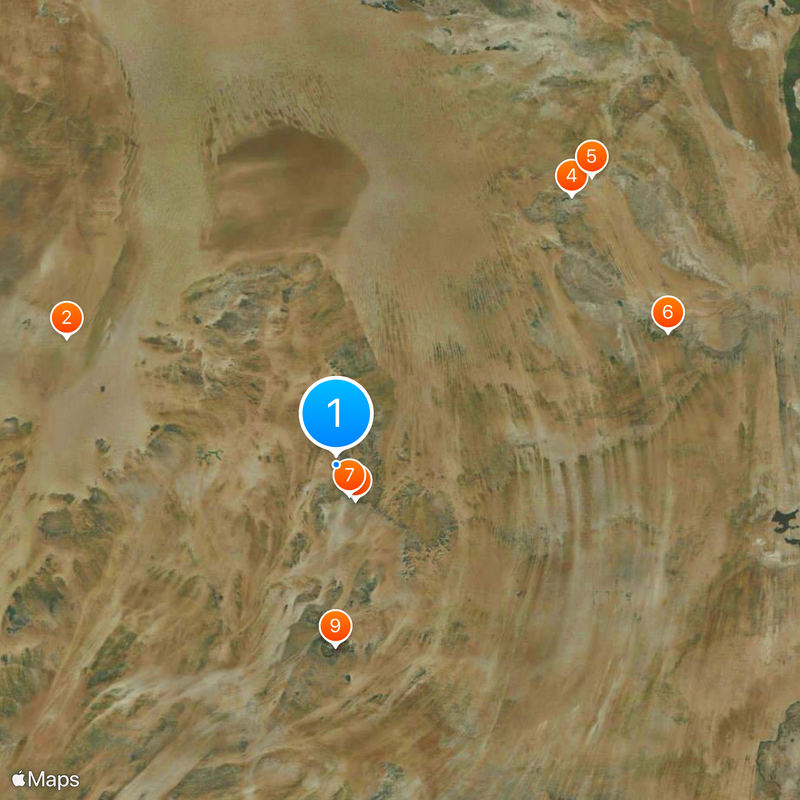
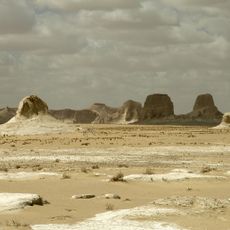
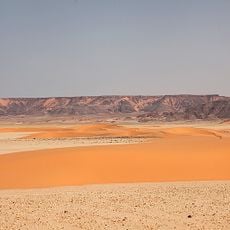
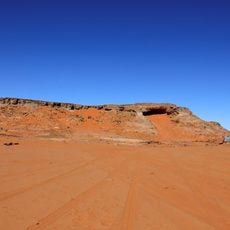
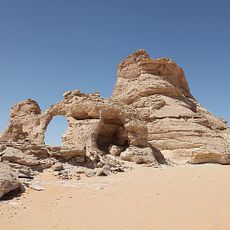
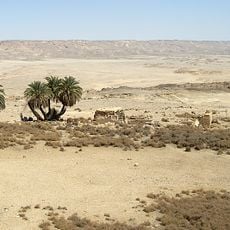
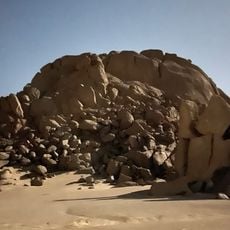
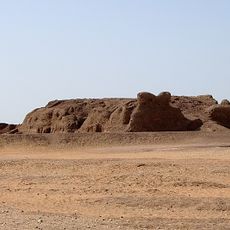
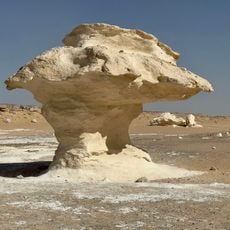
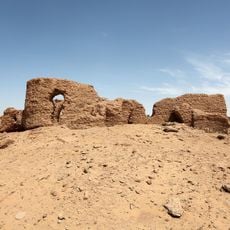
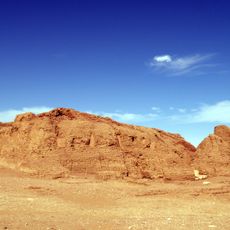
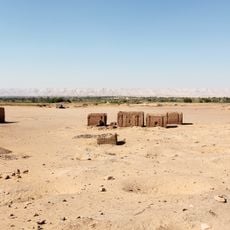
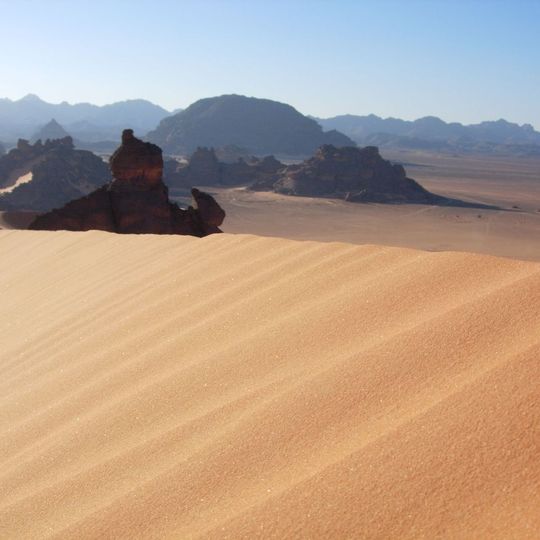
The Libyan Desert covers a large portion of the northeastern Sahara, spreading across Egypt and Libya with flat sandy expanses, rolling dunes, and scattered hill ranges. No permanent river crosses this dry terrain, and water sources remain limited to a few isolated oases.
European travelers began mapping this remote region during the 19th century, often meeting resistance from local communities. These expeditions brought new geographic knowledge about an area previously known only to nomads and caravan traders.
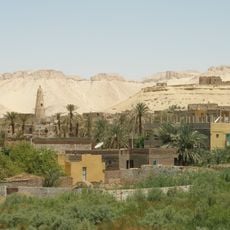
The Siwa Oasis within the desert maintains its distinct Siwi language and traditions, representing a meeting point of Berber and Arab influences.
Temperatures swing sharply between hot summer days and cold winter nights, making any crossing a serious logistical challenge. Visitors planning to enter the area should prepare for extreme conditions and carry enough water and protection from both sun and cold.
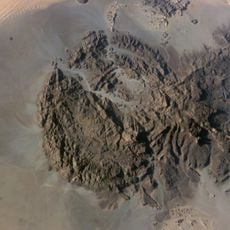
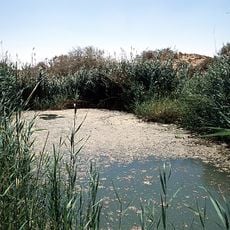
An extinct volcano known as Waw an Namus holds several water pools within its crater, an unexpected sight in the middle of such dryness. These natural ponds occasionally attract birds and other animals rarely seen elsewhere in the surrounding area.
The community of curious travelers
AroundUs brings together thousands of curated places, local tips, and hidden gems, enriched daily by 92,552 contributors worldwide.