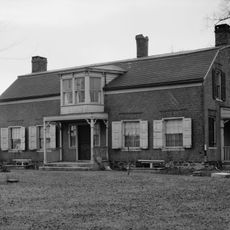
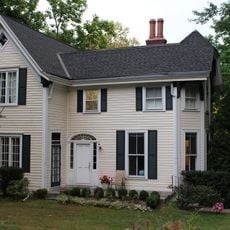
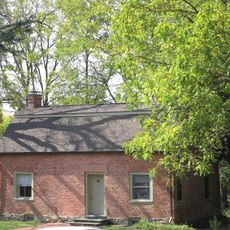
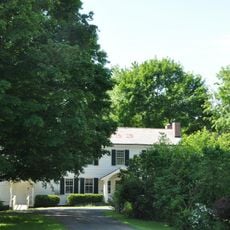
Manor of Rensselaerswyck, Dutch colonial estate near Albany, United States.
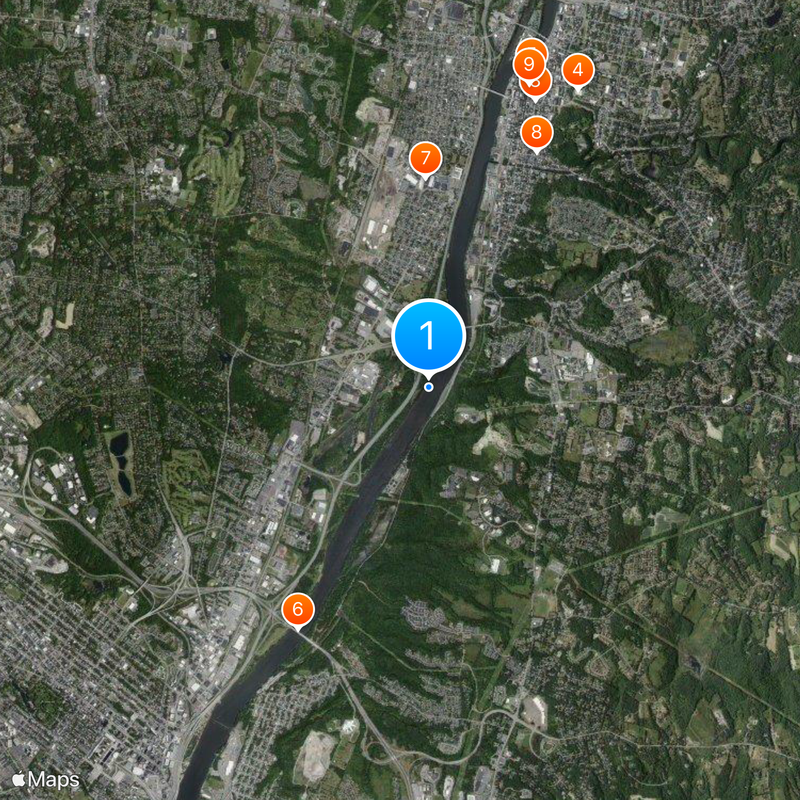
The Manor of Rensselaerswyck was a large estate that spread across both sides of the Hudson River, covering most of present-day Albany County and parts of Columbia and Greene counties. The property was divided into tenant farms where workers cultivated grain and produced agricultural goods under the landlord's control.
A Dutch merchant named Kiliaen van Rensselaer received the property from the Dutch West India Company in 1630 and established a system where tenant farmers worked the land under his authority. This arrangement lasted through generations and shaped the settlement and economy of the region until the 1800s.
The manor shaped how the local community was governed, with the landlord making laws and settling disputes like a local judge. Residents lived under this system where the van Rensselaer family held complete authority over their daily lives and legal matters.
Visitors can explore the history of the estate through archive documents held at the New York State Library, which contains over 300 containers of papers spanning several centuries. Planning ahead is necessary since the collection is extensive and requires specialized research.
Tenants paid their rent through multiple methods, not just cash but also wheat, goods, or labor services, as recorded in the van Rensselaer family account books. This mixed payment approach reflects an economy where money was often scarce and barter was more common than direct cash transactions.
The community of curious travelers
AroundUs brings together thousands of curated places, local tips, and hidden gems, enriched daily by 91,983 contributors worldwide.