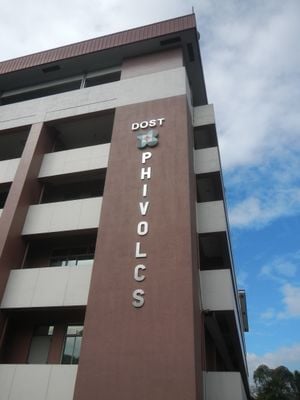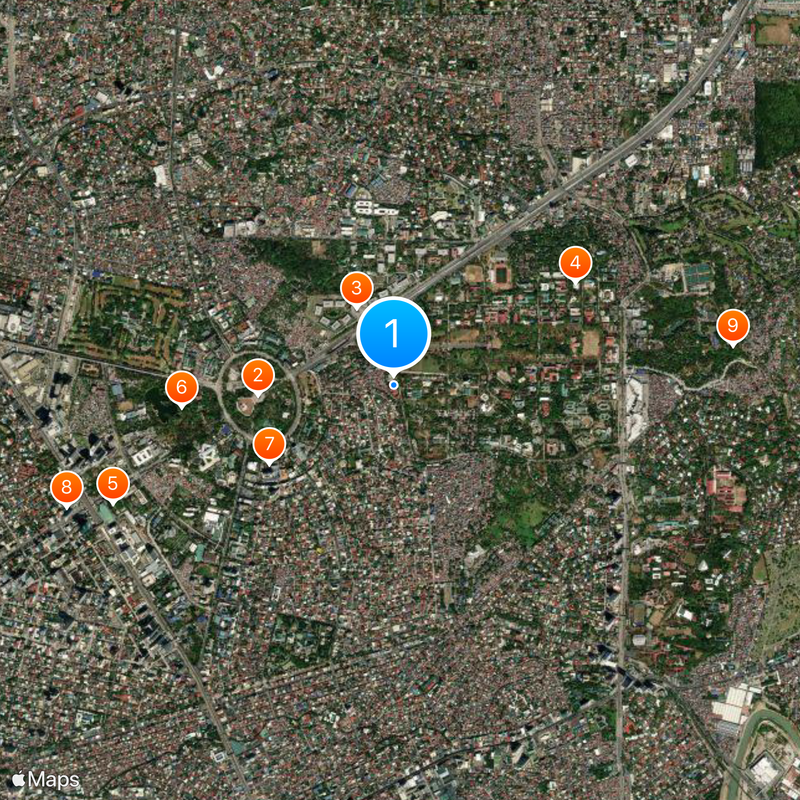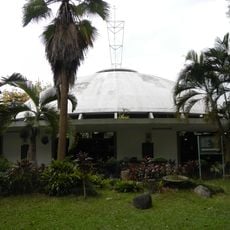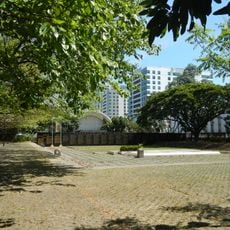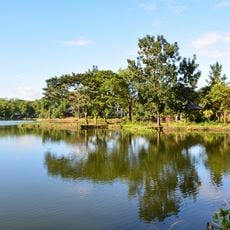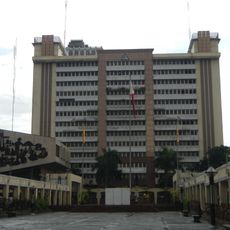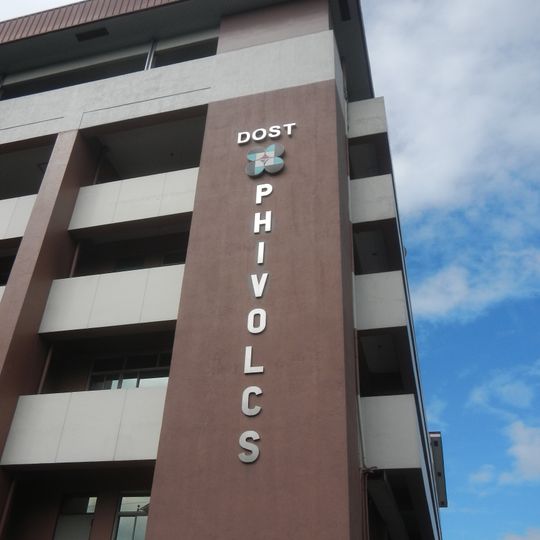
Philippine Institute of Volcanology and Seismology, National volcanic and seismic monitoring center in Quezon City, Philippines
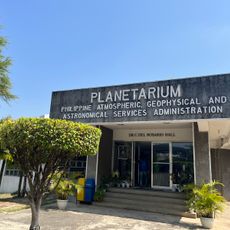
The Philippine Institute of Volcanology and Seismology is a national monitoring center in Quezon City that tracks volcanic and seismic activity across the country through a network of observation stations. These stations continuously gather data to detect changes and alert the public to potential hazards.
The organization started as a Commission on Volcanology in 1952 following the Mount Hibok-Hibok eruption and was restructured into its current form in 1984. This change allowed for better coordination and expanded monitoring across the entire archipelago.
The institute teaches communities across the islands how to stay safe during earthquakes and volcanic events through regular training and awareness campaigns. People in at-risk areas rely on this knowledge to prepare themselves and their families.
Visitors can find real-time earthquake and volcano information through the institute's website and local monitoring stations throughout the country. It is useful to check the official sources regularly, especially when traveling to areas with volcanic or seismic activity.
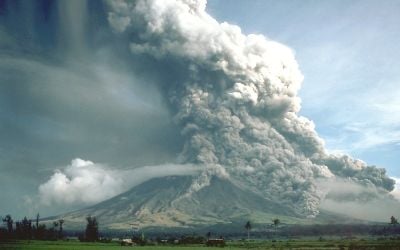
The center classifies all volcanoes in the country into three categories—active, potentially active, and inactive—based on geological evidence and historical records. This system helps residents understand which volcanoes near them pose a real threat.
The community of curious travelers
AroundUs brings together thousands of curated places, local tips, and hidden gems, enriched daily by 92,536 contributors worldwide.