Brăila, Port city in southeastern Romania
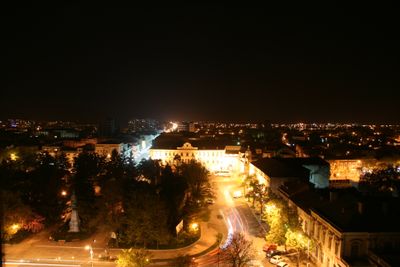
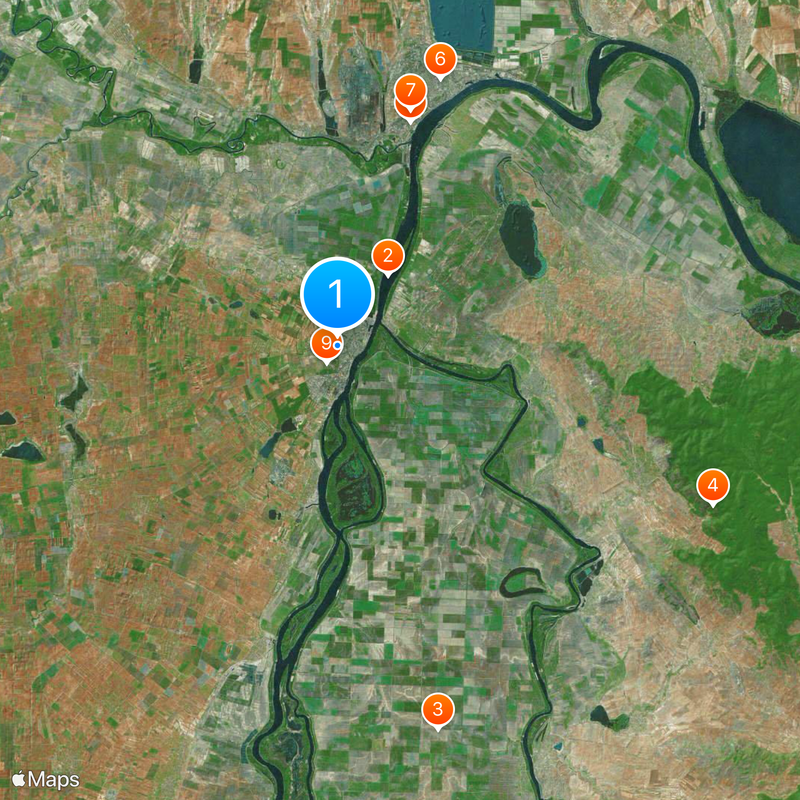
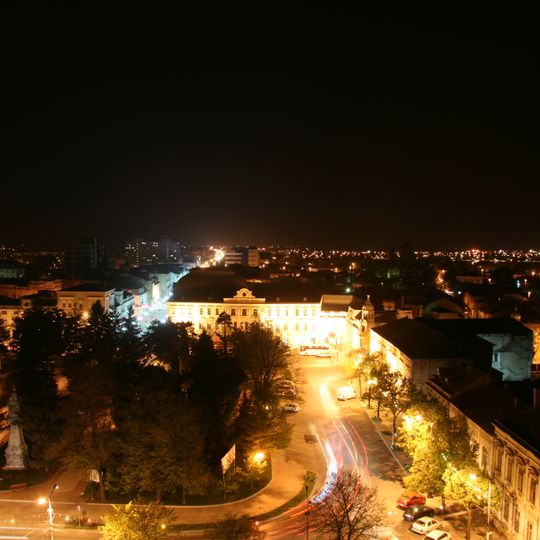
Brăila spreads along the Danube River with streets radiating from the port center and intersecting concentric roads following old Turkish fortification layouts. The river port forms the economic core, while residential and commercial areas fan out around it in a semicircular pattern.
The settlement transformed from a small fishing village into a major trade center after receiving town status in 1400 through its strategic Danube location. Merchants from Greece, Turkey and other Danube countries established communities and contributed to the city's growth during centuries of Ottoman control.
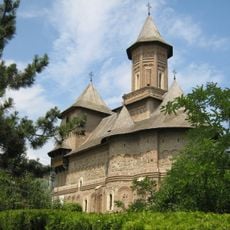
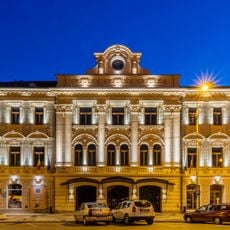
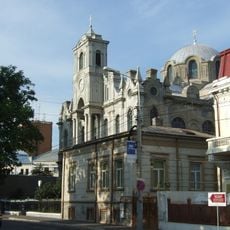
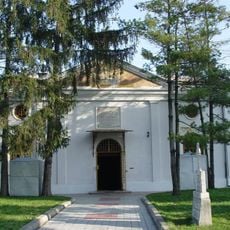
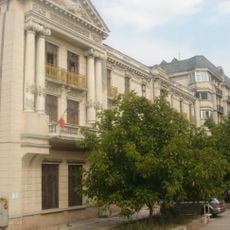
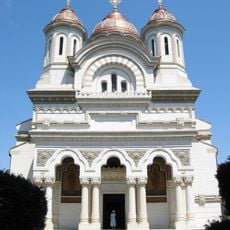
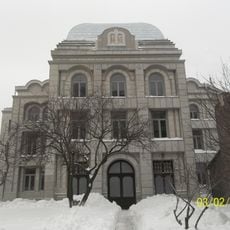
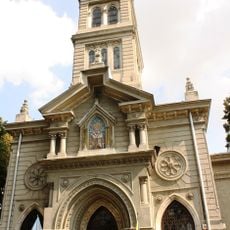
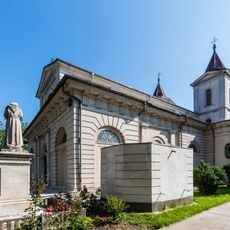
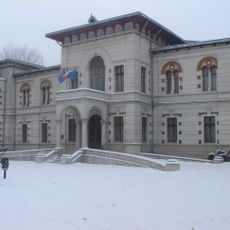
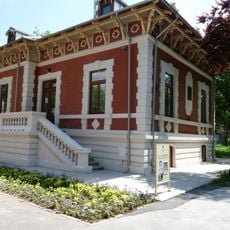
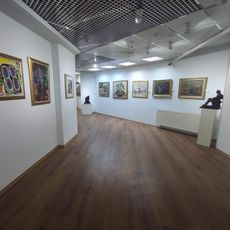
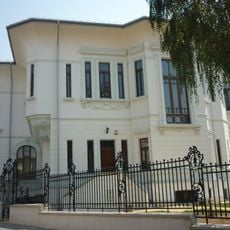
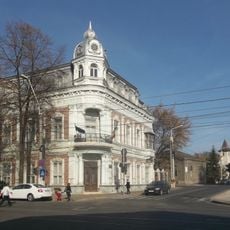
The Art Museum in the Palace of Culture and the Greek Church built between 1863 and 1872 represent the architectural heritage of this Romanian city. The architecture blends Ottoman influences with 19th-century elements, reflecting the different communities that lived here.
The city connects to Bucharest through E60 and DN2B roads, with train journeys taking over three hours from the Romanian capital. The center can be explored on foot, though some sights are scattered across different neighborhoods and local buses may be useful for longer distances.
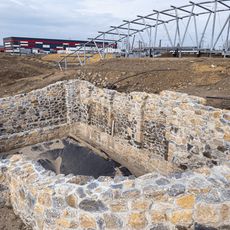
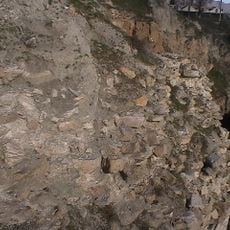
The underground network of catacombs, known as hrube, remains from Turkish occupation times and served for transporting goods directly to the river. These tunnels connected warehouses to the docks and allowed merchants to bypass tolls and move goods discreetly.
The community of curious travelers
AroundUs brings together thousands of curated places, local tips, and hidden gems, enriched daily by 91,329 contributors worldwide.