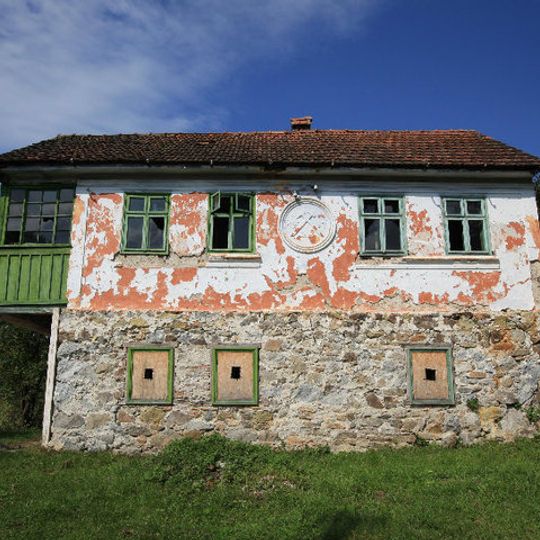
Roșia Montană, village in Alba County, Romania
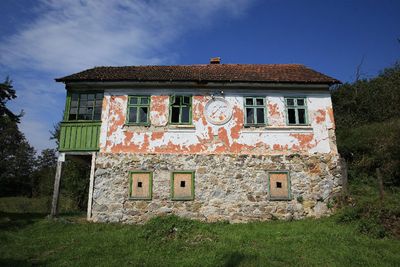
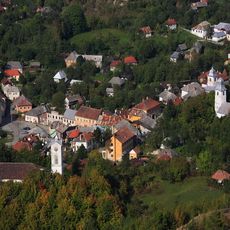
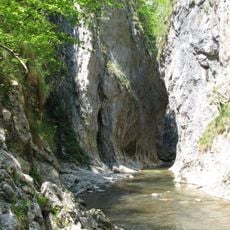
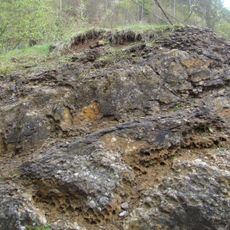
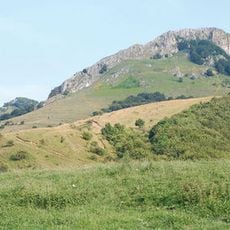
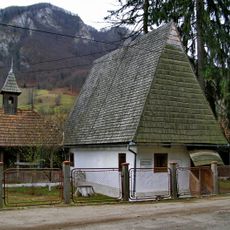
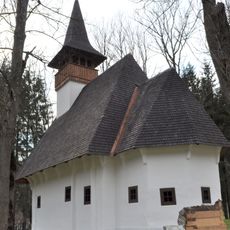
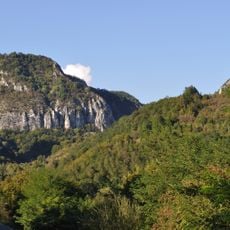
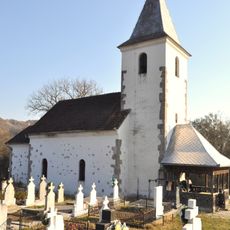
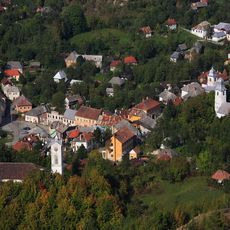
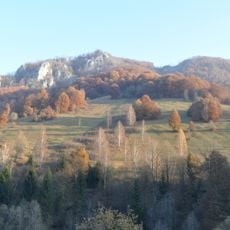
Roșia Montană is a village in the Apuseni Mountains situated on a hill rich in gold and minerals, with narrow streets lined with old buildings built close together. The settlement is surrounded by forests and mountain landscapes, featuring ancient Roman galleries beneath the surface and artificial ponds like Tãul Mare and Tãul Turnul that were created for mining purposes.
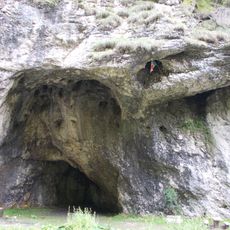
Roșia Montană was mentioned in records more than 2000 years ago and served as Alburnus Maior during Roman times, a busy mining center with workers from Iliria and numerous underground galleries. Over the centuries, residents continued mining operations, and remnants of Roman structures remain visible in the fortress ruins located on the hill above the village.
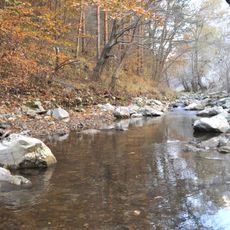
The name Roșia Montană comes from the reddish water color of local streams, caused by centuries of mining activity in the area. Daily life here shows the continuity of tradition: neighbors gather to chat, children play in quiet streets, and elders share stories that have been passed down through generations.
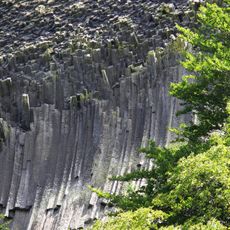
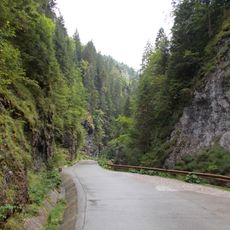
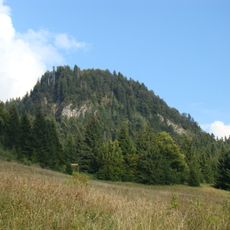
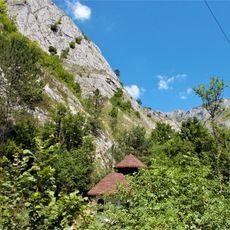
The village is easily reached through main roads connecting it to nearby towns like Alba Iulia, Cluj-Napoca, and Oradea, with routes winding through forests and small villages. Visitors can walk through authentic Roman galleries beneath some streets and buildings, and also enjoy hiking trails in the surrounding mountains and to natural features such as Piatra Corbului and Piatra Despicata.
The village features a Mining Museum containing tools, Latin and Greek inscriptions, and ancient pottery pieces excavated from centuries of mining activity. This collection reveals how people worked with precious metals even before Roman times and gives visitors direct insight into past mining techniques and daily life.
The community of curious travelers
AroundUs brings together thousands of curated places, local tips, and hidden gems, enriched daily by 91,180 contributors worldwide.