Castrum Carsium, Roman fortress in Hârșova, Romania
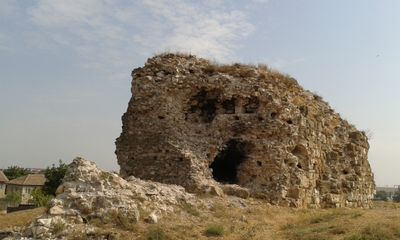
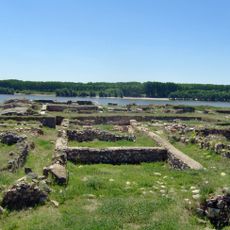
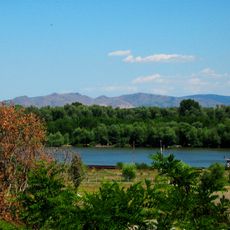
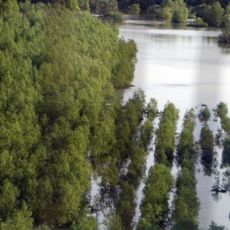
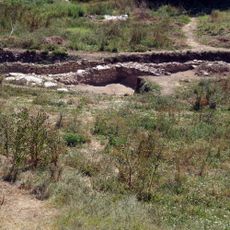
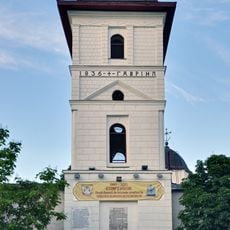
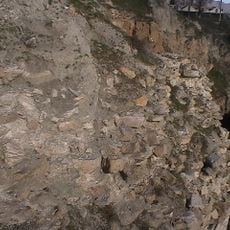
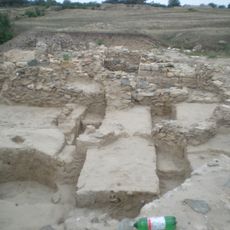
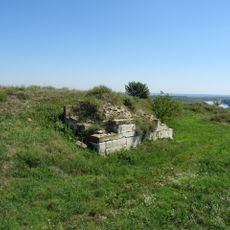
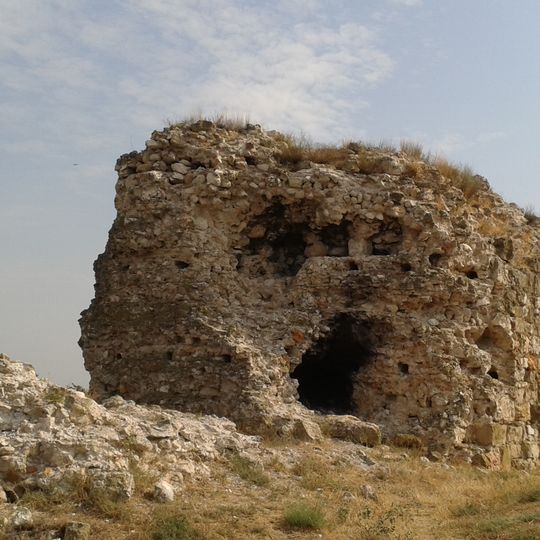
Castrum Carsium is a Roman fortress on the right bank of the Danube River near Hârșova, with visible remains of walls, building foundations, and defensive structures from multiple construction periods. The preserved stone elements span different phases of occupation and reveal how the fort evolved over time.
The fortress was founded in the first century AD and served as part of Rome's border defense system along the Danube River to protect this strategic frontier. Over the centuries it underwent repeated renovations and reinforcements before eventually being abandoned.
The fort served as a working post where soldiers and sailors operated together, showing how Rome combined military forces to control this crucial river crossing. Visitors today can sense this dual purpose through the varied structures scattered across the site.
The site is an open archaeological location where foundations and walls remain visible and orientation is straightforward thanks to marked structures and informational markers. Sturdy footwear is recommended and visitors should plan to spend time exploring all building areas and their layout.
Archaeologists discovered a bronze parade helmet dating to the second century AD at this location, now displayed in Bucharest's National Museum. This find reveals both the high craftsmanship of the period and the importance of ceremonial displays among the troops stationed here.
The community of curious travelers
AroundUs brings together thousands of curated places, local tips, and hidden gems, enriched daily by 91,982 contributors worldwide.