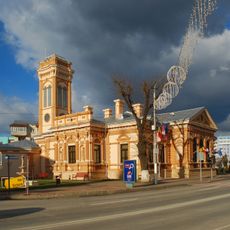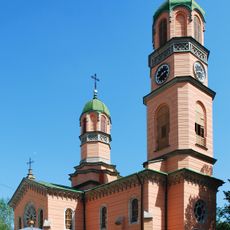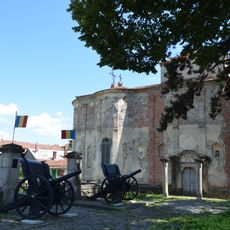
Hospodar's court in Bacău, heritage site in Bacău County, Romania
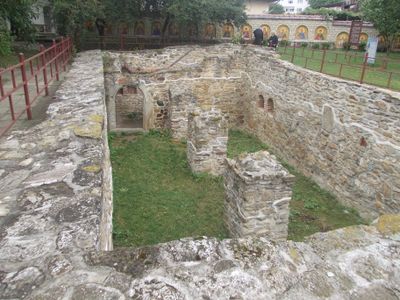
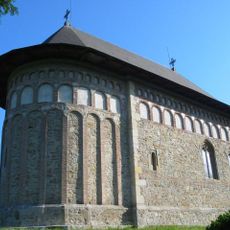
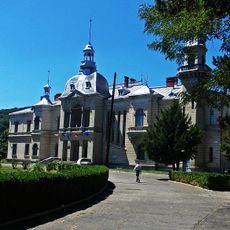
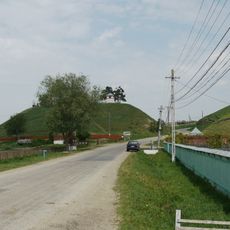
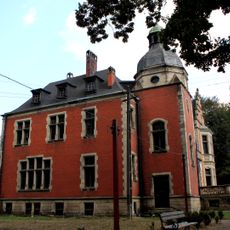
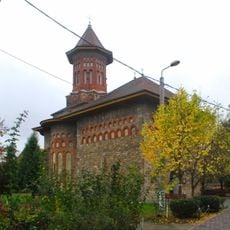
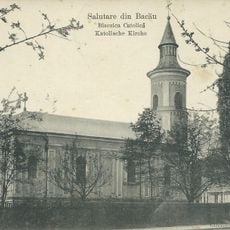
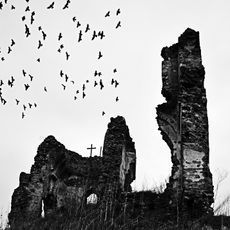
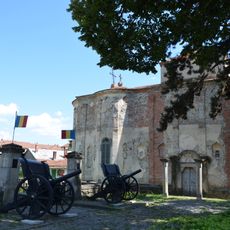
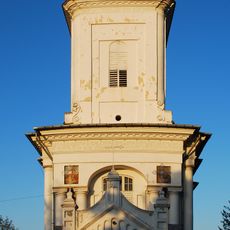
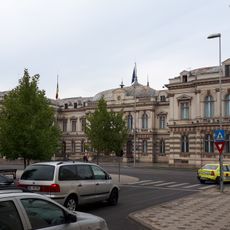
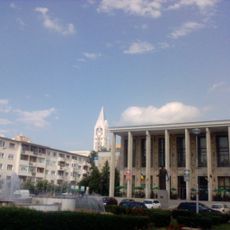
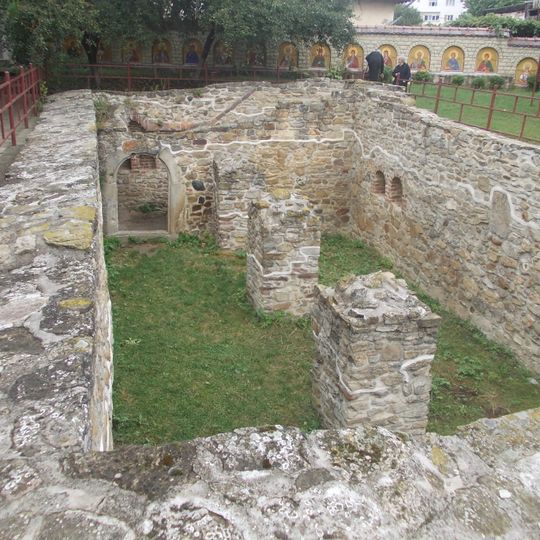
Hospodar's court in Bacău is a historic monument in the city of Bacău, Romania, that once served as a royal residence. The site contains the remains of the main royal house, a guard tower, and the Precista Church, all constructed from stone with simple but sturdy designs.
The court was founded in the late 1400s by Alexandru Vodă, son of Stefan the Great, as the seat of his rule. Bacău was chosen as an important trade hub connecting Transylvania and Wallachia, making it a strategic center of local power.
The court was where local rulers exercised power and made decisions that shaped the region. The connected church, built by the prince himself, shows how political and religious life were intertwined in this important center of authority.
The ruins can be reached on foot from the city center and are located near Strada 9 Mai, where information is available. The site is accessible daily from dawn to dusk and provides space to walk around and examine the old stone walls and structures.
During excavations in the 1980s, archaeologists discovered a guard tower that overlooked the entire city and trade routes passing through the region. Among the findings was a coin minted in 1517 that helps pinpoint when the palace was destroyed during a military campaign.
The community of curious travelers
AroundUs brings together thousands of curated places, local tips, and hidden gems, enriched daily by 91,354 contributors worldwide.