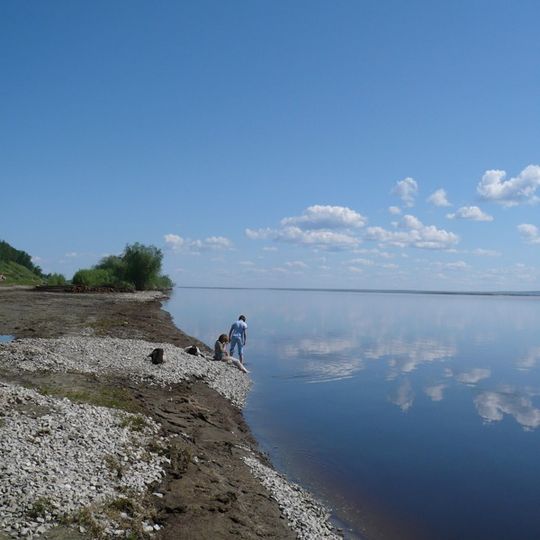
Lena River, Arctic river system in Eastern Siberia, Russia
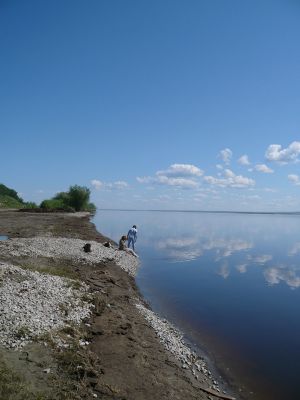
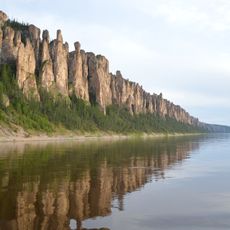
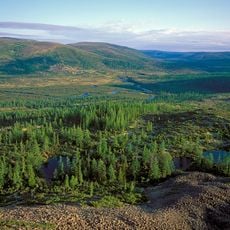
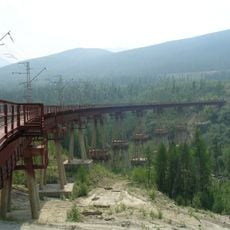
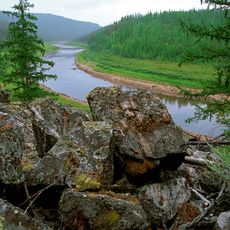
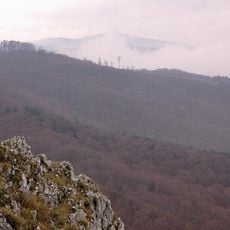
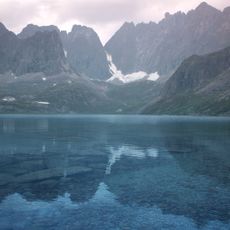
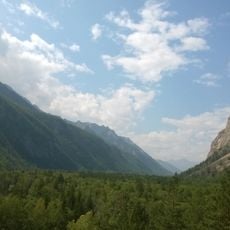
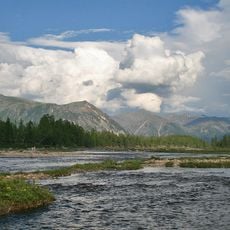
The Lena is a river in Eastern Siberia, Russia, flowing from the Baikal Mountains to the Laptev Sea and covering a distance of 4,472 km (2,779 mi). The drainage basin spans large parts of the Sakha Republic and Irkutsk Oblast, as the river passes through tundra and taiga forests.
Russian explorers including Demid Pyanda and Vasily Bugor traveled the river in the 17th century and established settlements along its banks. These early expeditions created trade links that connected Siberia to the rest of Russia.
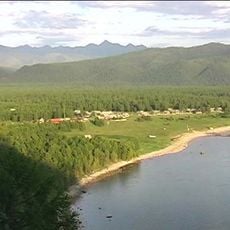
The name comes from the indigenous Even and Evenk language, where Elyu-Ene refers to a large body of water flowing through their ancestral lands. Small communities along the banks today rely on the waterway for fishing and supplies during the brief summer months.
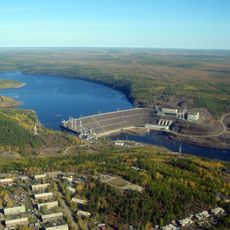
The waterway is navigable for larger vessels from Ust-Kut to its mouth and serves as a key transport route for timber and minerals. Travelers should note that the water is ice-free only during summer months and navigation becomes impossible in winter.
The delta covers roughly 30,000 square kilometers (11,583 square mi) and forms a branching network of channels rooted in frozen ground. This area supports many Arctic animal species that find food and shelter in the protected waterways.
The community of curious travelers
AroundUs brings together thousands of curated places, local tips, and hidden gems, enriched daily by 60,000 contributors worldwide.