Gunib, village in Russia
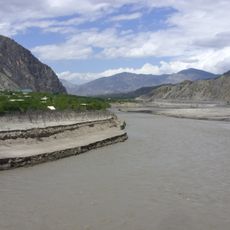
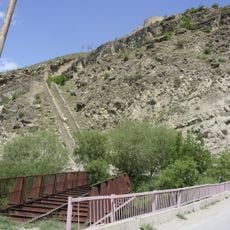
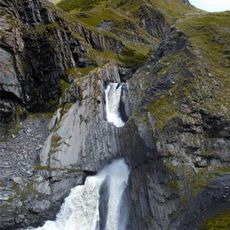
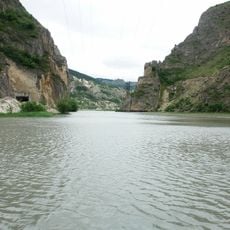
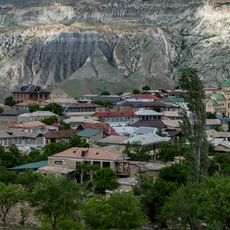
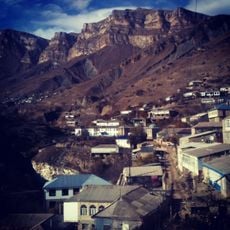
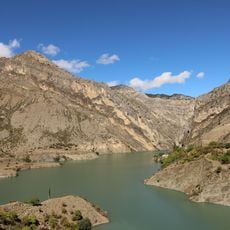
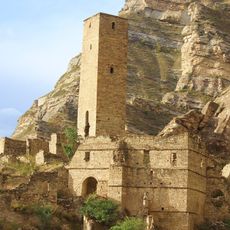
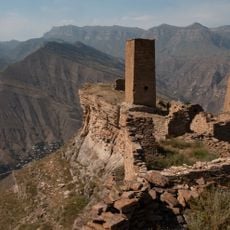
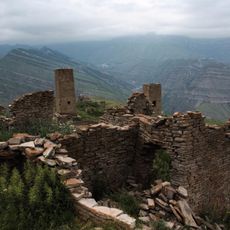
Gunib is a village set on a highland plateau in Dagestan, Russia, surrounded on most sides by steep cliffs and rocky mountain walls. The plateau rises sharply above the surrounding valleys, giving the settlement a naturally enclosed position that shapes how it looks and feels from every angle.
In 1859, Imam Shamil, the leader of the Caucasian resistance against Russian expansion, surrendered at Gunib after decades of conflict, bringing the long Caucasian War to a close. The site became a place of memory for both Russian and Dagestani history from that moment on.
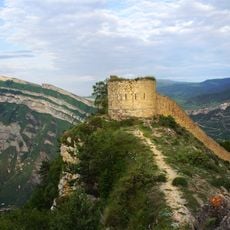
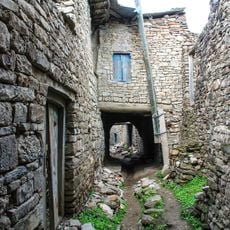
The village sits on a flat plateau edged by steep cliffs, and local life revolves around this geography in ways that are easy to observe during a walk through the area. Residents keep small gardens and orchards typical of highland Dagestani communities.
The road leading to the village winds through mountain passes that can become impassable in bad weather, so checking conditions before setting out is a good idea. Once on the plateau, paths are uneven and sometimes steep, so sturdy footwear makes the visit much easier.
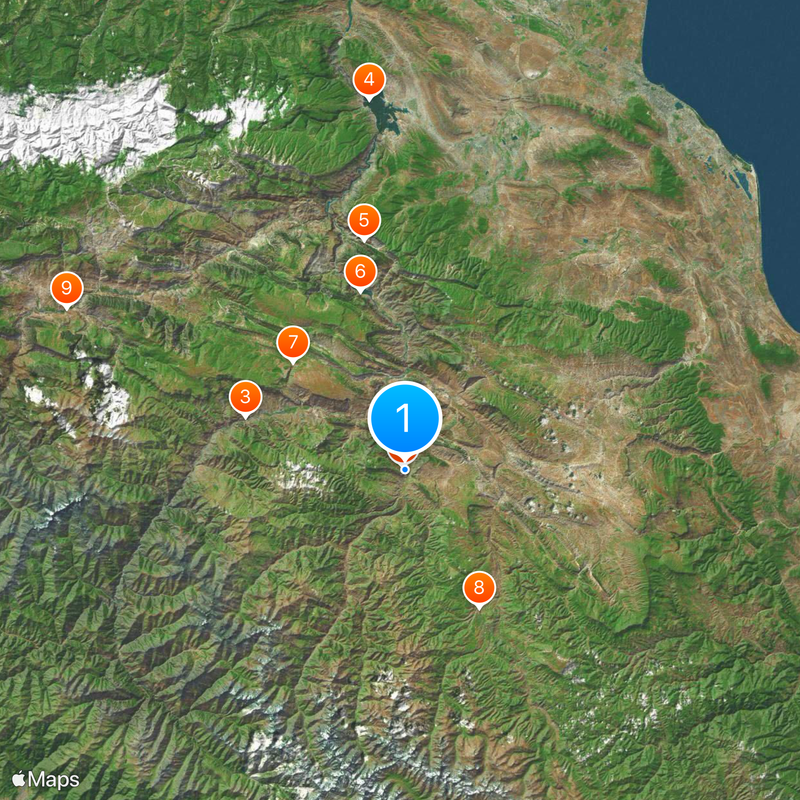
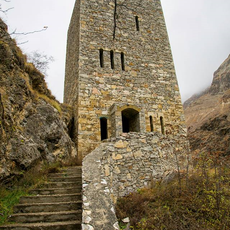
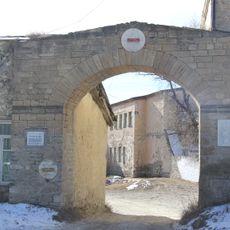
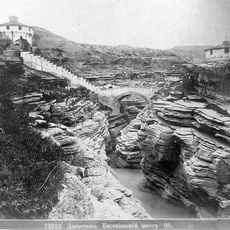
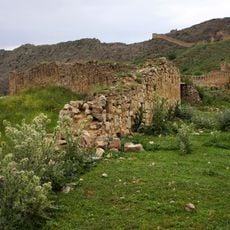
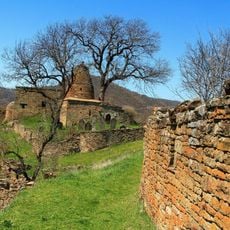
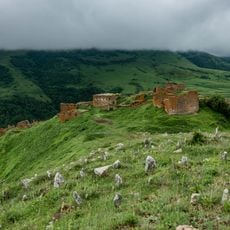
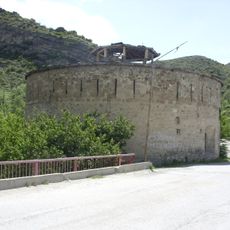
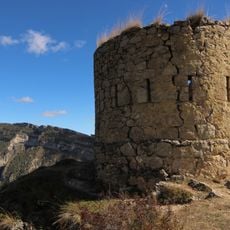
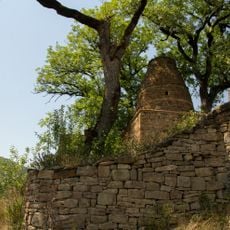
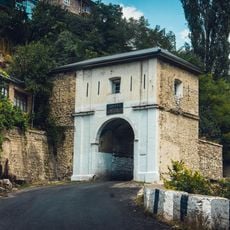
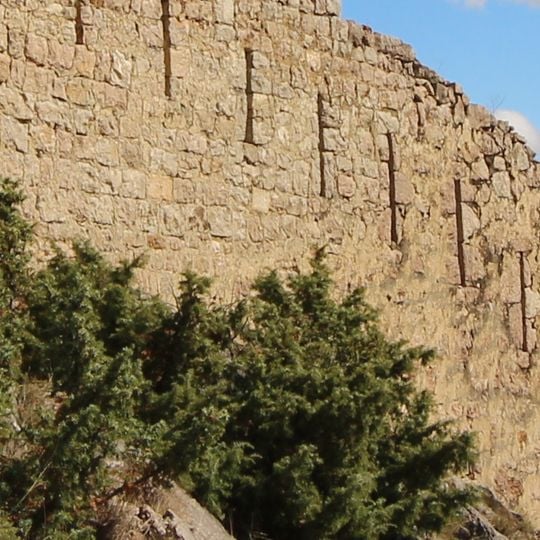
After the surrender in 1859, Russian engineers built a fortress on the plateau, and parts of those old walls are still visible today as you walk around the site. The fortress was meant to permanently hold a position that had proven almost impossible to take by force.
The community of curious travelers
AroundUs brings together thousands of curated places, local tips, and hidden gems, enriched daily by 91,027 contributors worldwide.