Pechora–Kama Canal, proposed canal
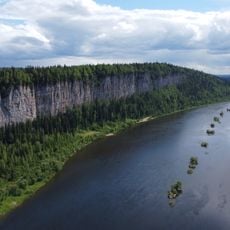
The Pechora-Kama Canal is a proposed Soviet engineering project designed to redirect water from northern Russian rivers toward southern regions and Central Asia. The plan involved creating a waterway to connect the Pechora River basin with the Kama River, fundamentally altering water flow patterns across a vast territory.
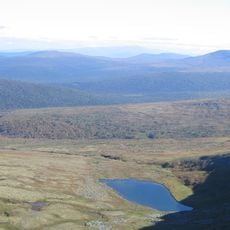
The project emerged in the 1970s as part of an ambitious Soviet effort to redirect Siberian rivers to support agriculture and water supply in Central Asia and southern regions. Soviet planners explored nuclear explosions as a construction method, notably detonating three nuclear devices in 1971 west of the Urals to create what became known as Nuclear Lake as a step toward the larger canal scheme.
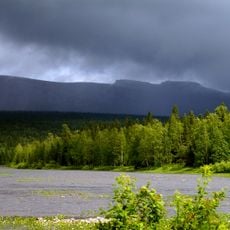
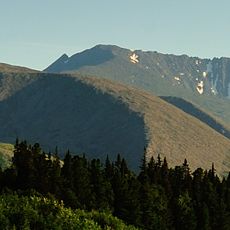
The area where the canal would have been constructed remains largely undeveloped and remote, making it difficult to access for regular visitors. Those interested in learning about the project would be better served by visiting nearby towns or regional museums that document this engineering history.
The project led to the 1971 detonation of three nuclear devices west of the Urals, creating what is now known as Nuclear Lake and leaving physical traces of this unusual Soviet engineering approach. This application of nuclear explosives for civilian construction was unprecedented at the time and was later abandoned due to safety and environmental concerns.
The community of curious travelers
AroundUs brings together thousands of curated places, local tips, and hidden gems, enriched daily by 91,823 contributors worldwide.