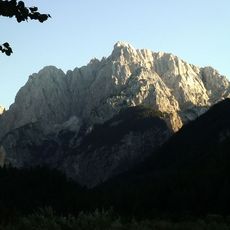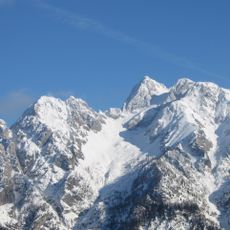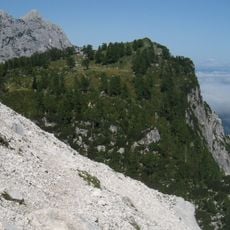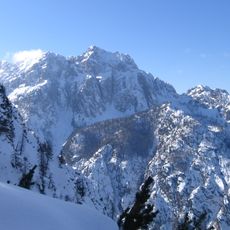
Vršič Pass, Mountain pass in the Julian Alps, Slovenia
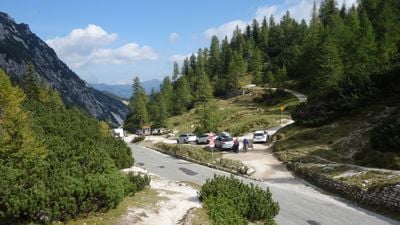
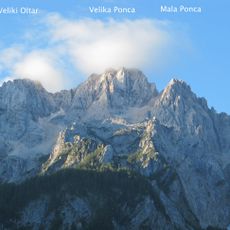
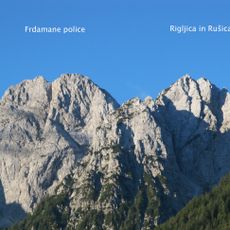
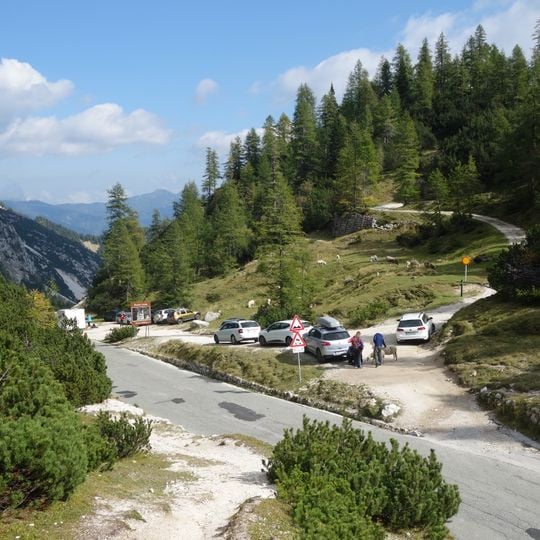
Vršič Pass is a mountain pass across the Julian Alps in northwestern Slovenia at 1,611 m, the highest in the country. The road connects Kranjska Gora with the Trenta Valley via 50 hairpin bends; in the north some are paved with cobblestones. The pass lies on the watershed between the Soča and Sava rivers.
The Austro-Hungarian military upgraded a rough logging trail into a road in 1915, opened as the Archduke Eugen Road and now called the Russian Road. About 10,000 to 12,000 Russian prisoners of war built it; over 400 died in a single avalanche in March 1916. From 1918 to World War II the pass marked the Italy–Yugoslavia border.
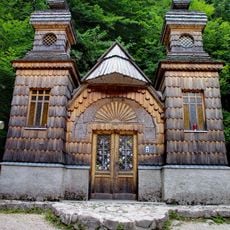
The Russian Orthodox chapel on the north side of the pass, at about 1,200 m, was built by Russian prisoners of war during World War I. It commemorates the more than 400 prisoners killed by an avalanche in March 1916 while building the road. The pass itself is locally called Na močilu, and its name Vršič, meaning 'little peak', was transferred from Mount Vršič only in 1911.
The road is typically closed during winter months due to heavy snow, with the best driving conditions from May through October. Morning hours offer the safest conditions for navigating the numerous curves.
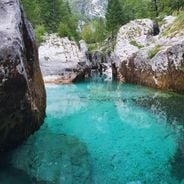
At hairpin 49 a short access path leads to the main spring of the Soča, which drops as a waterfall from a narrow rock crevice into a tight gorge. The source lies just off the road and is easily passed by drivers watching the bends.
The community of curious travelers
AroundUs brings together thousands of curated places, local tips, and hidden gems, enriched daily by 94,042 contributors worldwide.