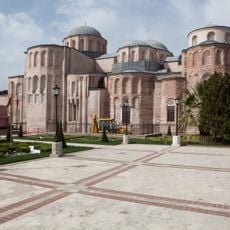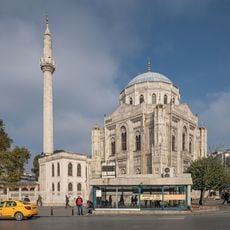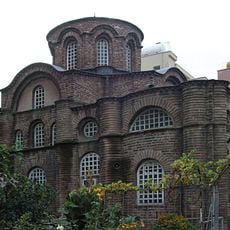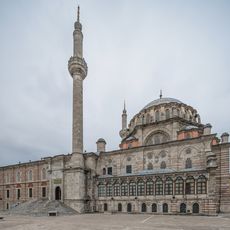
Church of St. Polyeuctus, Byzantine church ruin in Saraçhane district, Istanbul, Turkey
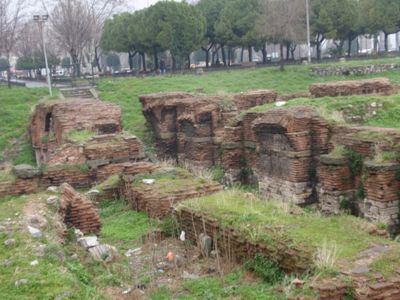
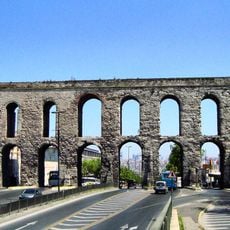
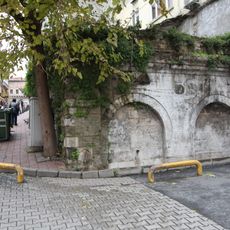
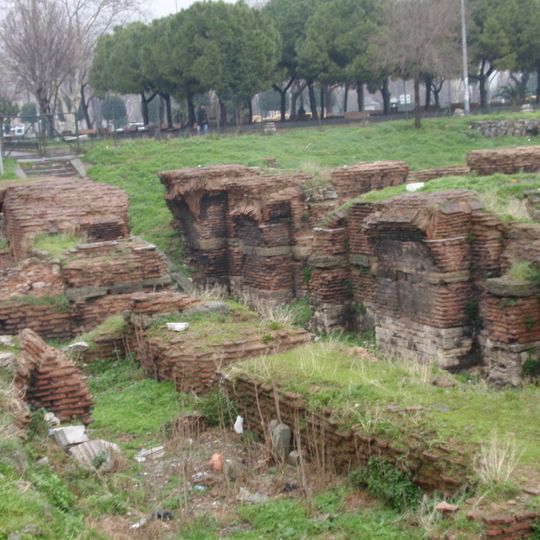
The Polyeuktoskirche is an early Byzantine church ruin whose remains lie in Istanbul near the Valens Aqueduct, revealing foundations, marble walls, and fragments of ornate architectural elements. The building likely featured a central domed space, side aisles, and was covered with marble, carved patterns, and possibly gold decoration.
The church was commissioned between 524 and 527 CE by Anicia Juliana, a Roman imperial princess, and was the largest religious structure in Constantinople before Hagia Sophia. Over the centuries the building declined, was looted, and its parts were reused in other structures until archaeological excavations rediscovered it in 1960.
The church displayed Persian decorative influences through marble carvings depicting peacocks, pomegranates, and palm trees. These motifs drew from the design of Solomon's Temple and merged Byzantine artistic tradition with Eastern influences.
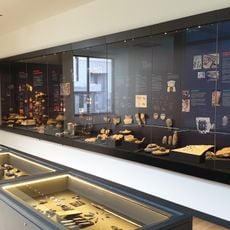
The site is an open archaeological area near Istanbul City Hall that is easily accessible and where visitors can walk through the ruins. Some sculptures and artifacts are kept in nearby museums for protection, while ongoing excavations continue to reveal new findings about the structure and its construction.
Several architectural pieces from this church now reside in Venice's St Mark's Basilica, including the Pilastri Acritani columns. These columns were carried away during the Crusader conquest of Constantinople in 1204 and represent a rare surviving piece of this Byzantine structure in the West.
The community of curious travelers
AroundUs brings together thousands of curated places, local tips, and hidden gems, enriched daily by 92,195 contributors worldwide.