Trinidad, Caribbean island in Trinidad and Tobago
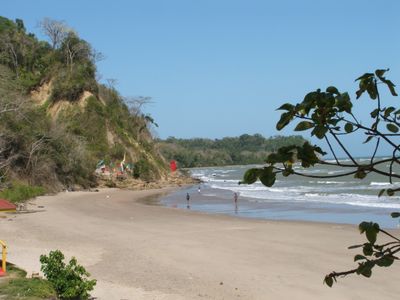
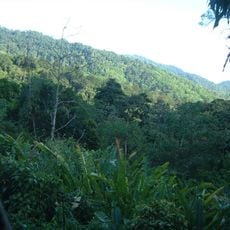
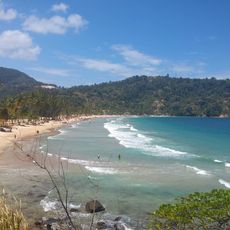
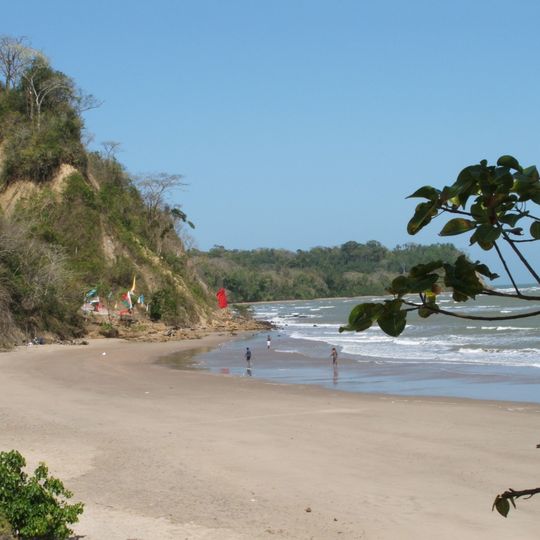
Trinidad is the larger of the two main islands that make up the nation of Trinidad and Tobago, lying just a few kilometers off the coast of Venezuela in the southern Caribbean Sea. The island covers roughly 4,768 square kilometers and is shaped by several mountain ranges, coastal plains, and a lowland area crossed by rivers.
Spanish colonization started in 1530 when Antonio Sedeño was appointed as the first governor and San José de Oruña became the capital of the newly formed province. In 1797 the island fell to Britain without much resistance, beginning a new era of sugar plantations and immigration from many parts of the world.
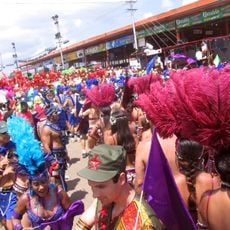
The steelpan, a percussion instrument made from reshaped oil drums, was invented here in the 1930s and still shapes street music and carnival celebrations across the island today. At many local festivals you can hear the metallic tones of these drums played by groups in colorful costumes.
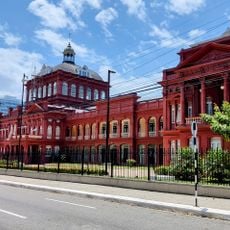
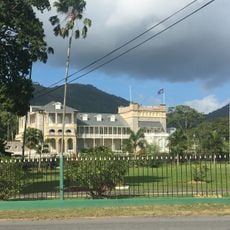
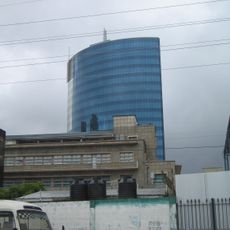
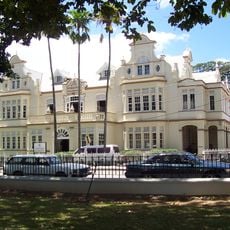
Port of Spain sits on the northwest coast along the Gulf of Paria and serves as the capital and main transport hub with the largest port and international airport. Most visitors arrive through this airport in the west and use the capital as a starting point for exploring the island.
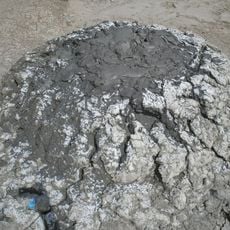
The island holds the largest natural asphalt deposit in the world, Pitch Lake, a body of thick bitumen that spreads over more than 40 hectares (100 acres). This geological feature supplied material for road construction projects around the world, including streets in New York and London.
The community of curious travelers
AroundUs brings together thousands of curated places, local tips, and hidden gems, enriched daily by 92,654 contributors worldwide.