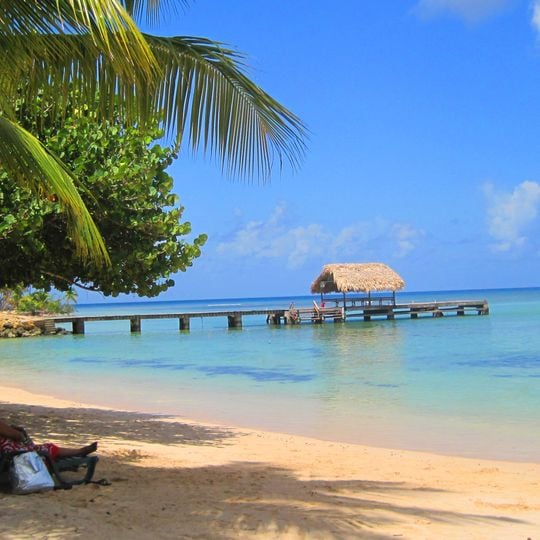
Trinidad and Tobago, Island nation in southern Caribbean.
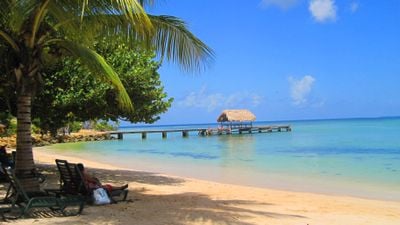
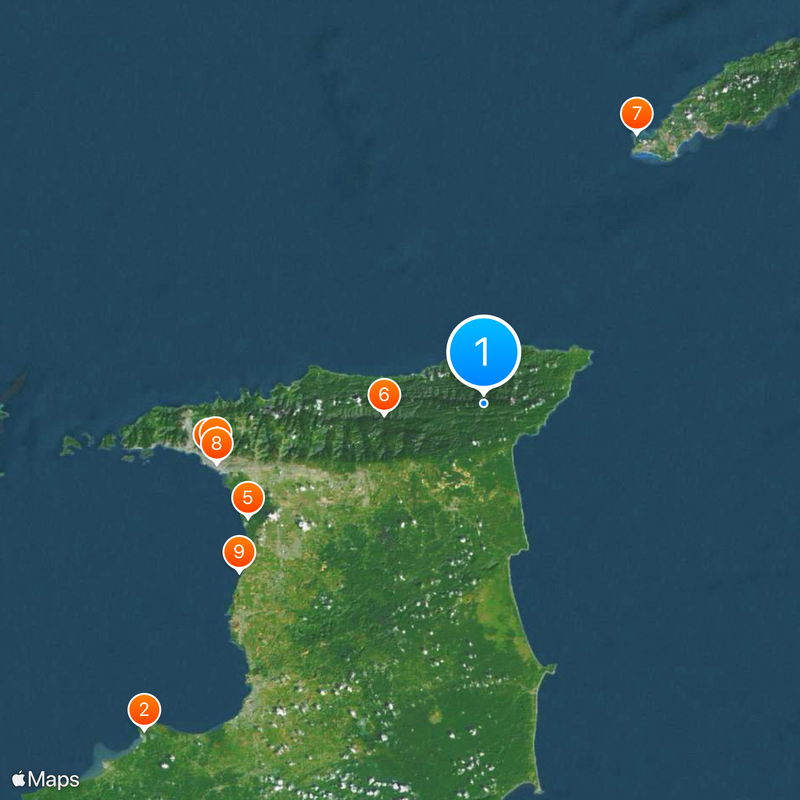
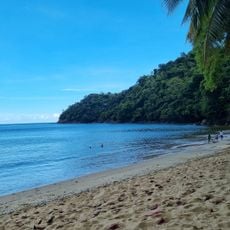
This country lies just off the Venezuelan coast and consists of two principal islands separated by a narrow channel plus several smaller surrounding landmasses. The territory sits about 7 miles (11 kilometers) from the South American mainland and covers roughly 1,980 square miles (5,000 square kilometers) in total area.
Spanish settlers founded the first European posts on Trinidad starting in 1532 when the island belonged to Venezuela's colonial administration. British forces took over Trinidad in 1797 and added Tobago in 1814, then both islands gained independence in 1962 and became a republic in 1976.
Creole language mixes English words with French expressions and African phrases heard in conversations on streets and at markets. Steelpan music originated here from repurposed oil drums and is now played at local festivals and gatherings in community halls.
International airports on both main islands allow arrivals and onward travel, while the local economy leans more toward industrial production than tourism. Travelers should expect tropical weather with occasional rain showers and note that many facilities cater to the petroleum and gas industry.
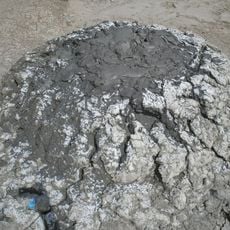
A large natural asphalt lake called Pitch Lake has been commercially mined since the late 1800s and supplies road-building material. The deposit contains an estimated several million tons of bitumen and is considered one of the largest asphalt reserves worldwide.
The community of curious travelers
AroundUs brings together thousands of curated places, local tips, and hidden gems, enriched daily by 91,254 contributors worldwide.